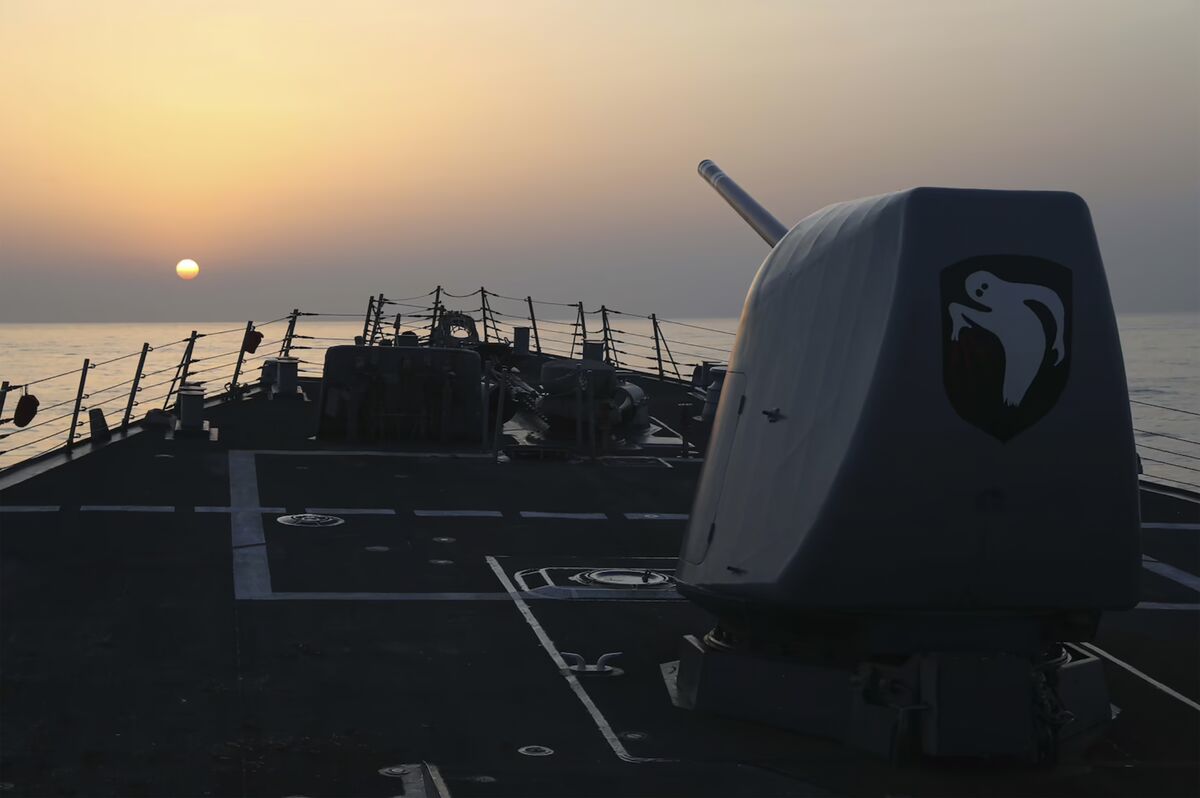
The article highlights the escalating US-China trade tensions, characterized by reciprocal tariffs and export restrictions on critical technologies and rare earths, and warns of the historical precedent for such economic friction to escalate into military conflict. Featuring international relations expert Dale Copeland, it discusses the potential for a 'hot war' stemming from current trade disputes, underscoring a significant geopolitical tail risk for global markets and supply chains.
The discussion with international relations professor Dale Copeland elevates the ongoing US-China trade conflict from a matter of economic friction to a significant geopolitical tail risk. The analysis highlights that current tensions, characterized by US tariffs and technology export restrictions met with Chinese retaliatory tariffs and limits on rare earth exports, mirror historical precedents where trade disputes have escalated into military confrontations. This frames the situation not just as a source of market volatility or supply chain disruption, but as a potential precursor to a 'hot war,' a low-probability but high-impact event for global markets. The moderate negative sentiment and high market impact score underscore the gravity of this potential shift. While Apple and Spotify are mentioned as podcast platforms, their inclusion is incidental and does not reflect any specific risk to these firms beyond the broad-based market threat of a major geopolitical conflict.
AI-powered research, real-time alerts, and portfolio analytics for institutional investors.
Request DemoOverall Sentiment
moderately negative
Sentiment Score
-0.50
Ticker Sentiment
