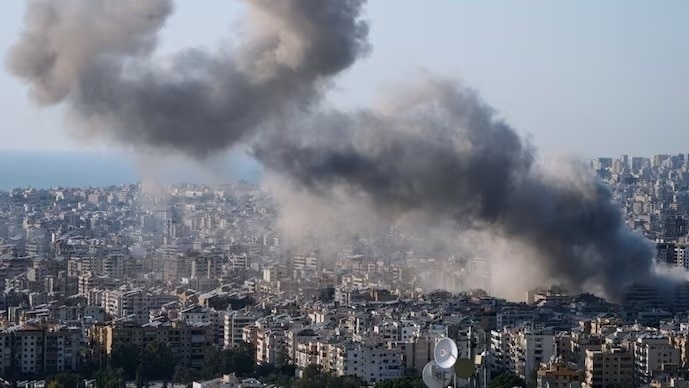
2,178 recorded strike events have occurred since Feb 28 (1,394 US-Israeli strikes in Iran and 784 retaliatory attacks), with Tehran absorbing >460 strikes (~one-third of attacks). Brent crude has risen 42% from $72.50 to >$103/barrel (WTI near $96) as violence spreads to 13 countries and Gulf energy infrastructure, raising acute supply risks and market-wide volatility.
The most durable market effect will be an elevated "route and risk" premium baked into seaborne energy flows rather than a one-off price spike. Insurers and charterers will push tankers onto longer, safer tracks and pay war-risk surcharges that translate into tens-to-hundreds of thousands of dollars per VLCC voyage and materially higher time-charter equivalents for owners; that mechanistic increase supports equity returns for asset-light tanker owners before it does for upstream producers. Refined products will transmit stress faster than crude: jet and diesel margins are first to feel supply-on-water frictions and inventory drawdowns, pressuring airline operating margins and forcing temporary capacity rationalization. Refiners with export capability and access to coastal slate (flexible coking/refining complex) become the bottleneck beneficiaries as inland-focused or export-constrained plants curtail throughput and margins reprice regionally. Defense and security-spend reallocation is a structural second-order winner but with lumpy realization — backlog conversion can take quarters. Meanwhile, credit and FX dynamics for energy exporters will bifurcate: higher nominal export revenues are offset by rising security and logistics spending and the potential for capital flight; sovereign yield curves and currency forwards will price in these opposite forces over months, not days. The path to normalization is binary: either a credible, enforceable corridor mechanism (moves risk premia down within 4–8 weeks) or an escalatory event hitting key export logistics (which would double risk premia and sustain dislocation for quarters). Market positioning should therefore prefer instruments that benefit from persistent shipping/timing friction and avoid unilateral bets that rely on immediate diplomatic outcomes.
AI-powered research, real-time alerts, and portfolio analytics for institutional investors.
Overall Sentiment
strongly negative
Sentiment Score
-0.65
