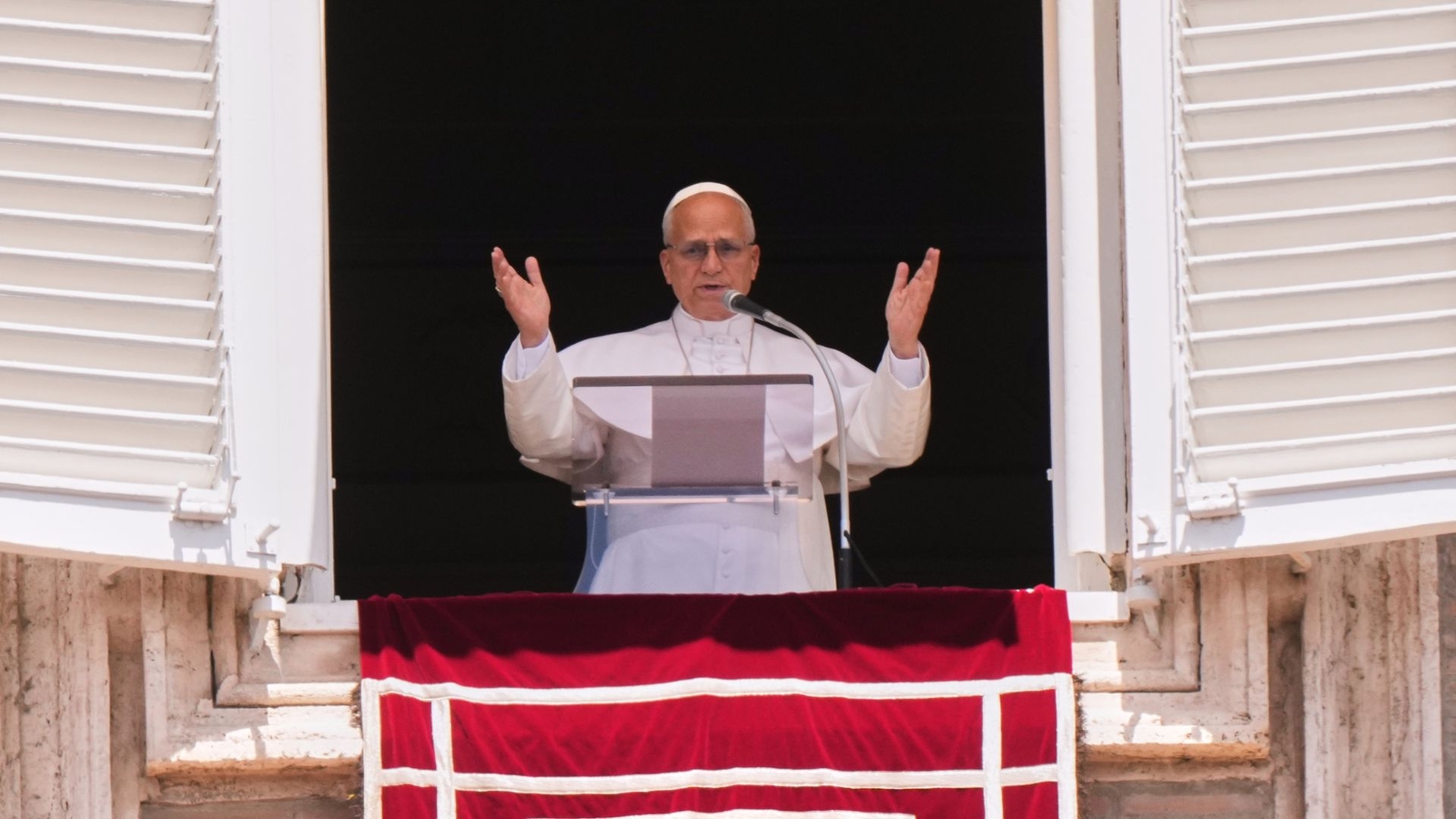
Pope Leo XIV will launch his first encyclical on May 25, focusing on human dignity in the era of AI, with Anthropic co-founder Christopher Olah participating at the Vatican. The document is likely to frame AI within Catholic social teaching and could intensify tensions with the Trump administration, which has penalized Anthropic and is facing an ongoing lawsuit from the company. Anthropic's presence underscores the broader policy debate around AI safety, military use, and regulation rather than an immediate direct market catalyst.
This is less a Vatican story than a signal that AI safety is moving from a niche governance debate into a transnational legitimacy issue. The practical winner is Anthropic’s brand positioning: if regulators, sovereigns, and enterprise buyers start viewing “safety-first” as a procurement filter rather than a moral preference, it narrows OpenAI’s ability to compete purely on capability and could slow monetization at the frontier by raising compliance expectations across the sector.
The second-order effect is on policy optionality, not just sentiment. A high-profile church endorsement of AI guardrails increases the odds that EU-style restrictions, model-audit requirements, and deployment limits in defense or surveillance settings become easier to justify politically; that is negative for companies with the highest military and government exposure and positive for firms that can credibly segment consumer, enterprise, and regulated workloads. The Trump administration’s stance creates a sharper bifurcation: if this becomes an administration-versus-Vatican/Europe narrative, Anthropic may gain international sympathy while still facing domestic procurement headwinds.
The market is likely underpricing timeline asymmetry. In the next few days this is mostly reputational and headline-driven; over 3-6 months, it can influence enterprise sales cycles and public-sector vendor evaluations; over 12-24 months, it could harden into standards that raise switching costs for incumbents that failed to build governance into their architecture. The key contrarian point is that tighter rules do not necessarily slow AI capex overall — they can increase spend by forcing duplicate compliance layers, audit tooling, and model-risk management, benefiting infrastructure and governance vendors more than model providers.
The main tail risk is that the debate becomes a proxy for U.S.-China tech rivalry and pushes policymakers toward inconsistent, politically motivated restrictions. That would widen the spread between “trusted AI” and “raw capability” names, but it also risks fragmentation that hurts monetization across the whole stack if enterprise buyers delay adoption pending clarity. If that happens, the near-term loser is anyone selling frontier model access into regulated verticals; the longer-term winners are the platforms that become default compliance rails.
AI-powered research, real-time alerts, and portfolio analytics for institutional investors.
Request DemoOverall Sentiment
neutral
Sentiment Score
-0.05
