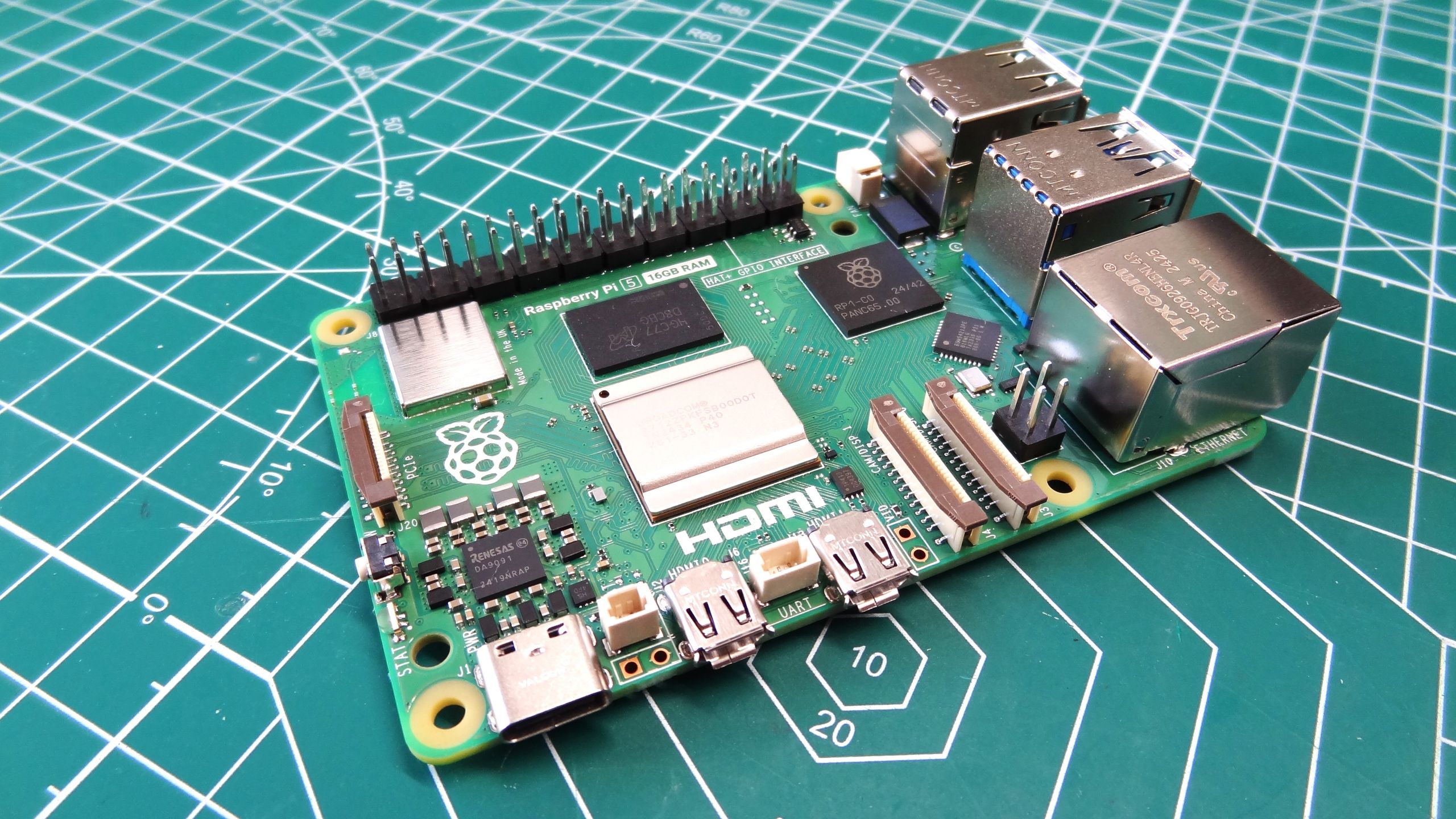
Raspberry Pi has implemented across-the-board price increases driven by a DRAM shortage: the flagship Raspberry Pi 500+ rose by $150 to $410 (nearly 50% higher than February's $280), putting it close to the M3 Mac Mini (~$430). Raspberry Pi 4/5 4GB SKUs +$25, 8GB +$50, Pi 5 16GB +$100; a new 3GB Pi 4 is introduced at $83.75. Compute Modules saw increases ranging $11.25–$100, and NAND contract prices are reported to be rising even faster (forecast ~70% q/q), while sub-4GB models and older LPDDR2-equipped boards remain unchanged for now.
The immediate winners from sustained DRAM/NAND inflation are upstream memory suppliers and any equipment vendors that can selectively constrain supply — they capture margin expansion with minimal product redesign. A second-order beneficiary is the used/secondary-PC market: a large tranche of price-sensitive Pi buyers will substitute into off-lease Skylake/Broadwell mini-PCs and SBC-based DIY servers, shifting demand from new low-margin devices to used hardware platforms and aftermarket marketplaces.
Key risks cluster around demand elasticity and capex response. If consumer/education demand softens within 1–2 quarters (macro slowdown or budget cycles), memory spot prices can reverse quickly as OEMs deplete safety stock; conversely, aggressive capex by Micron/SK Hynix could trigger oversupply 6–18 months out, compressing realized FCF. Geopolitical or logistics shocks that further tighten component flows would prolong upside for suppliers but also accelerate substitution to used/alternative platforms, capping end-device price pass-through.
The market consensus underweights the elasticity of the hobbyist and education segments — once flagship Pi pricing approaches mainstream mini-PC territory, unit replacement rates and addressable market shrink materially. That implies a high-conviction but time-limited trade: favor vertically integrated memory names with disciplined capex and direct exposure to NAND/DRAM price moves, and complement with short-duration longs in the used-PC ecosystem as a hedge against demand migration and OEM margin squeeze.
AI-powered research, real-time alerts, and portfolio analytics for institutional investors.
Overall Sentiment
mildly negative
Sentiment Score
-0.25
Ticker Sentiment
