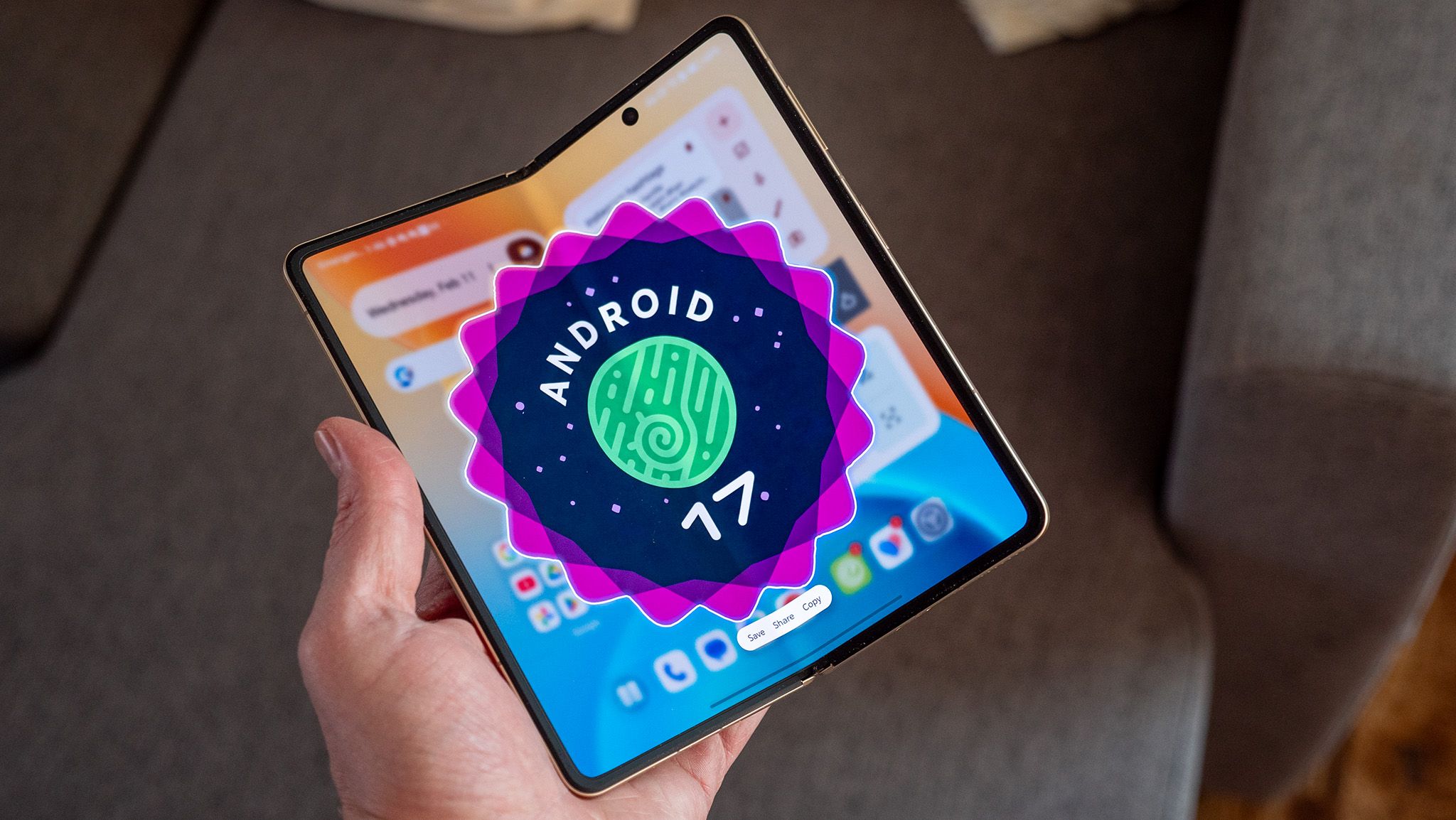
Android 17 Beta 3 is released and has reached platform stability for Pixel 6 and newer devices, with SDK and NDK APIs finalized so developers can begin publishing Android 17 apps. Key user-facing changes include a universal Bubbles floating-window multitasking system (plus a bubble bar for larger screens), a floating screen-recording toolbar, separate Wi‑Fi and mobile-data Quick Settings, external-display widget fixes, per-app dark‑mode exceptions, and privacy features like a session-based Location Button. These are incremental UX and developer-enabling improvements that improve productivity and privacy for Android users but are unlikely to have material near-term impact on public equities or sector valuations.
Android 17’s usable desktop-mode is a classic enabler effect: once developers have stable SDK/NDK APIs, app update waves follow on a 3–12 month cadence — not overnight. That lag matters because meaningful engagement and Play Store monetization uplifts will compound slowly; expect measurable ARPU improvement concentrated in 2–4 quarters as video conferencing, productivity, and messaging apps retrofit interactive PiP and floating-window UX. For Google the lever isn’t just Pixel hardware sales; it’s incremental time-on-device and feature-tailored ad/Play flows that can lift services revenue by a few percent annually if adoption scales across OEMs and tablets.
Competitive dynamics favor incumbents with an ecosystem they control: Google gains marginal advantage versus Android OEM launchers but faces entrenched incumbents like Samsung DeX and niche third-party launchers that delay wholesale migration. Second-order winners include SoC and foldable-display suppliers if OEMs accelerate larger-screen devices — a 5–10% incremental demand swing over 12–24 months is plausible if enterprise/consumer use cases prove sticky. Key fragilities: floating windows broaden the attack surface (security patches + enterprise MDM friction), and OEM fragmentation could fragment UX and slow enterprise rollouts.
Catalysts to watch are developer uptake metrics (API usage, Play Store feature flags) over the next 3–9 months, Google I/O productization announcements, and Pixel refresh cycles; negative reversals would be sharp if performance/battery or privacy bugs appear and prompt regressions within weeks. Regulatory or antitrust scrutiny around bundling desktop-like features into Play/Assistant could introduce 6–18 month policy risk. In short, this is a constructive incremental services-growth story for GOOGL with a gradual realization profile and concentrated event risks tied to adoption and security remediation timelines.
AI-powered research, real-time alerts, and portfolio analytics for institutional investors.
Request DemoOverall Sentiment
mildly positive
Sentiment Score
0.25
Ticker Sentiment
