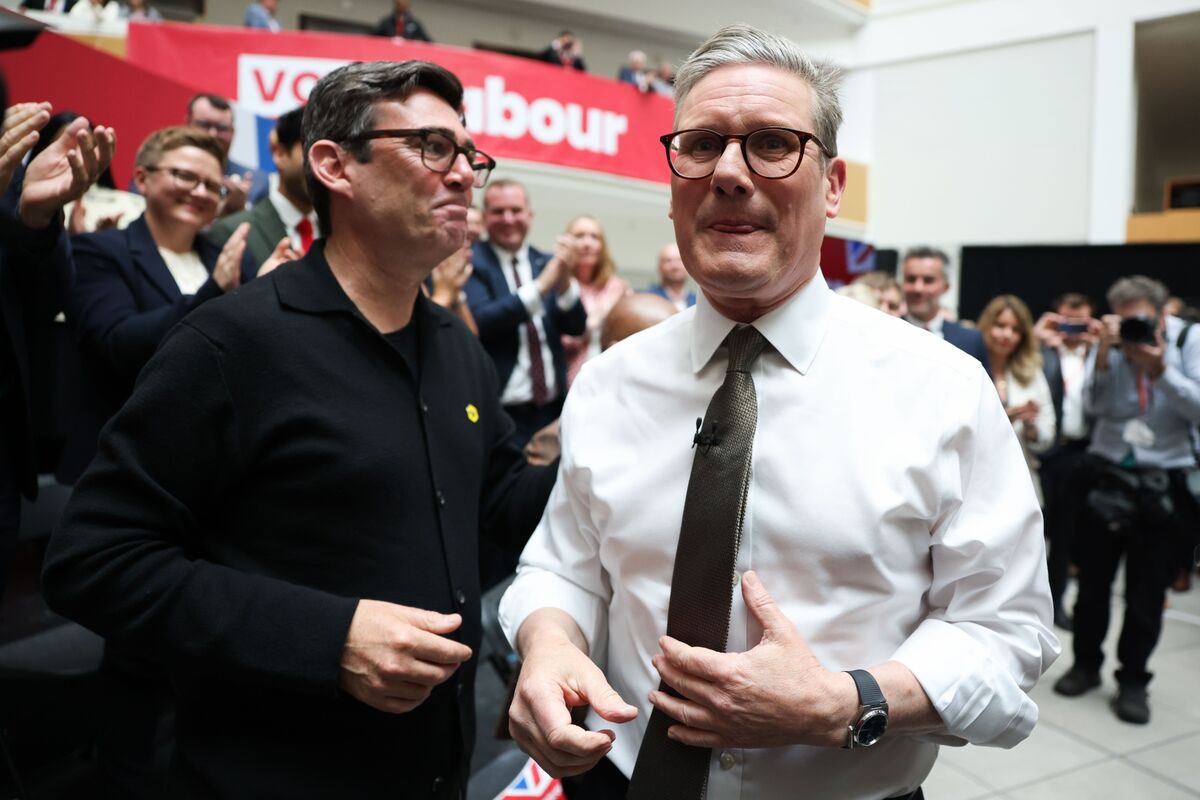
Keir Starmer's Labour government is experiencing significant political instability just 14 months after a landslide victory, marked by the recent resignations of his deputy prime minister due to a tax scandal, the Washington ambassador over a controversial friendship, and a close adviser for leaked messages. This series of crises follows a challenging first year characterized by trailing polls, unpopular economic decisions, policy reversals, and a substantial backbench rebellion, collectively signaling increased political uncertainty and potential policy instability in the UK.
The UK government under Prime Minister Keir Starmer is facing a significant crisis of confidence and stability, creating a volatile outlook for UK-related assets despite being only 14 months past a landslide election. A rapid succession of high-profile resignations—including the deputy prime minister over a tax scandal—has compounded the challenges of a difficult first year marked by unpopular economic decisions and subsequent policy U-turns. Critically, the government's authority has been weakened by a substantial backbench rebellion that forced the reversal of planned welfare reforms, signaling a diminished capacity to implement its fiscal agenda. This political turmoil, reflected in an extremely negative sentiment score of -0.85 and a market impact score of 0.65, elevates sovereign risk and introduces significant uncertainty regarding the stability and direction of UK fiscal policy, a key concern for institutional investors.
AI-powered research, real-time alerts, and portfolio analytics for institutional investors.
Request DemoOverall Sentiment
extremely negative
Sentiment Score
-0.85
