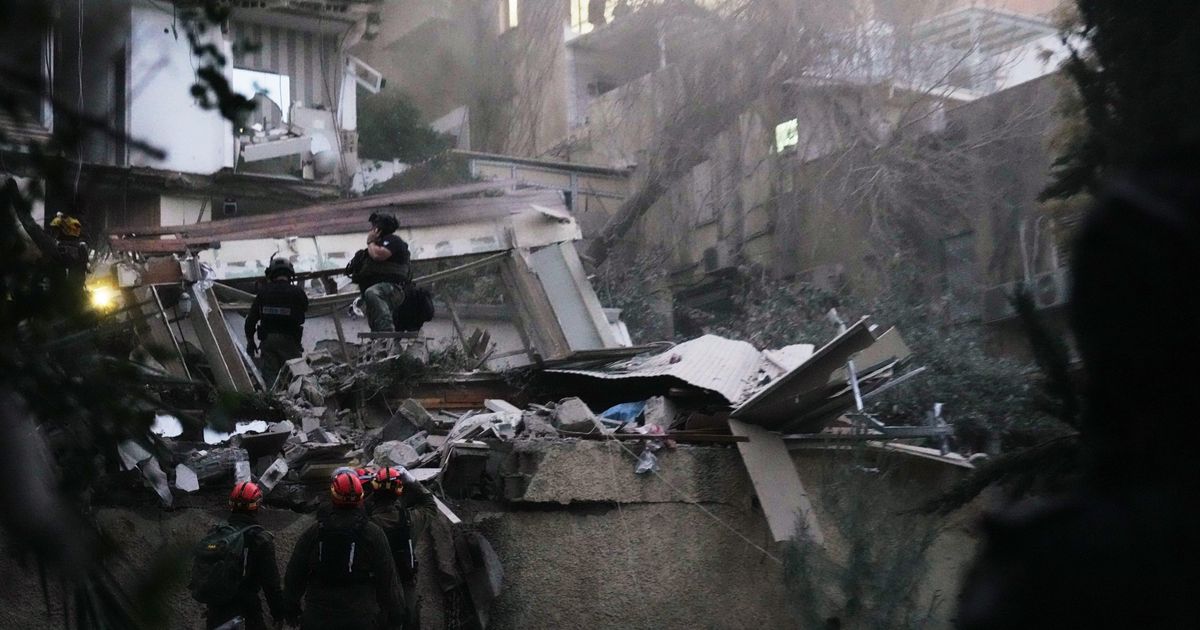
A 45-day ceasefire draft proposing reopening the Strait of Hormuz was sent to Iran and the U.S. by Egyptian, Pakistani and Turkish mediators, but both sides have not responded. Recent escalation includes strikes that killed more than 25 people Sunday–Monday and the killing of the Revolutionary Guard’s intelligence head; the wider war has reportedly killed thousands and disrupted shipping routes, spiking fuel prices. U.S. President Trump has threatened to strike Iranian infrastructure (bridges, power stations), raising heightened near-term risk to energy markets, global shipping in the Gulf and overall market volatility.
The market is pricing a high near-term premium on chokepoint risk that disproportionately taxes transport-intensive supply chains and energy margins. A protracted closure or attacks on critical Iranian infrastructure would raise tanker and reroute costs by an estimated 20–30% for Gulf‑to‑Asia flows (longer sailings, higher bunker burn and insurance), compressing refinery throughput economics and widening crack spreads even if crude supply stays similar.
Two short-horizon catalysts dominate: (1) US kinetic threats to infrastructure raise the odds of asymmetric Iranian retaliation to global shipping and regional bases over the next 72–168 hours, and (2) the 45‑day mediated ceasefire is a binary event with material path dependency — acceptance should see a 30–50% unwind of shipping and energy risk premia over 2–6 weeks; rejection or stalemate will embed a multi‑month elevated premium. Tail scenarios (full regional escalation or wider proxy spillover) would push oil and insurance spreads into a multi‑month regime change rather than a transient spike.
Second-order winners/losers differ from headline reads: owners of VLCC/tanker capacity and reinsurance underwriters capture rent during disruption (rates spike fast and are sticky), while passenger airlines and just‑in‑time retailers suffer margin erosion from longer routings and higher hedged fuel costs. Defense primes and select sovereign CDS wideners are natural hedges; FX is likely to see USD strength and select EM funding stress in weeks, not just days.
AI-powered research, real-time alerts, and portfolio analytics for institutional investors.
Overall Sentiment
strongly negative
Sentiment Score
-0.80
