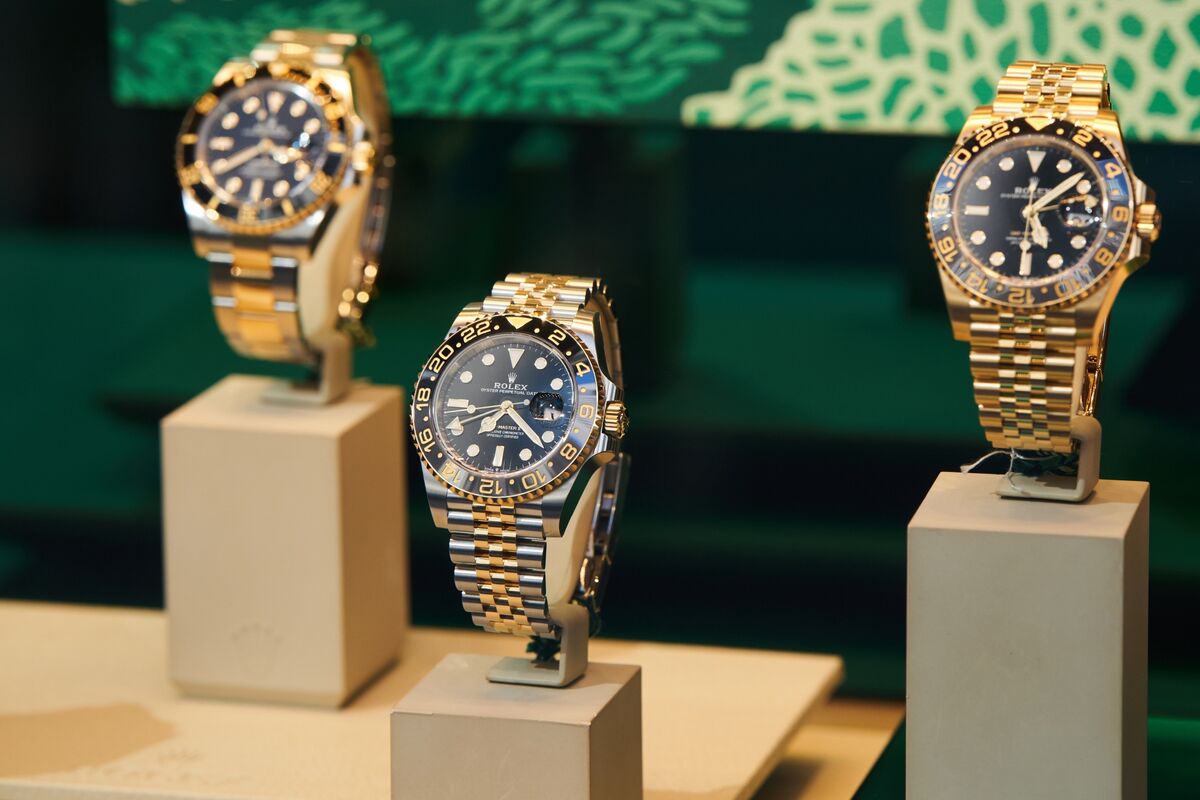
Swiss watch exports declined 3.1% in September to 2 billion Swiss francs ($2.5 billion), primarily due to a 56% plunge in shipments to the United States, the industry's largest market. This significant downturn is attributed to the Trump administration's 39% tariff on Swiss imports, overshadowing growth in other markets.
Swiss watch exports experienced a significant downturn in September, declining 3.1% year-over-year to 2 billion Swiss francs ($2.5 billion), according to the Federation of the Swiss Watch Industry. This contraction was primarily driven by the Trump administration's 39% tariff on Swiss imports into the United States.
The tariffs led to a substantial 56% plunge in exports to the US, which is the industry's largest market. This sharp decline in a critical market overshadowed modest increases observed in most other global markets during the same period, contributing to a strongly negative sentiment and bearish tone for the sector.
This situation highlights the acute vulnerability of specific luxury goods sectors to protectionist trade policies, categorizing it under Economic Data, Tax & Tariffs, and Trade Policy & Supply Chain themes. The sustained impact of the 39% tariff on the largest market suggests ongoing pressure on Swiss watch manufacturers' revenues and profitability.
AI-powered research, real-time alerts, and portfolio analytics for institutional investors.
Request DemoOverall Sentiment
strongly negative
Sentiment Score
-0.70
