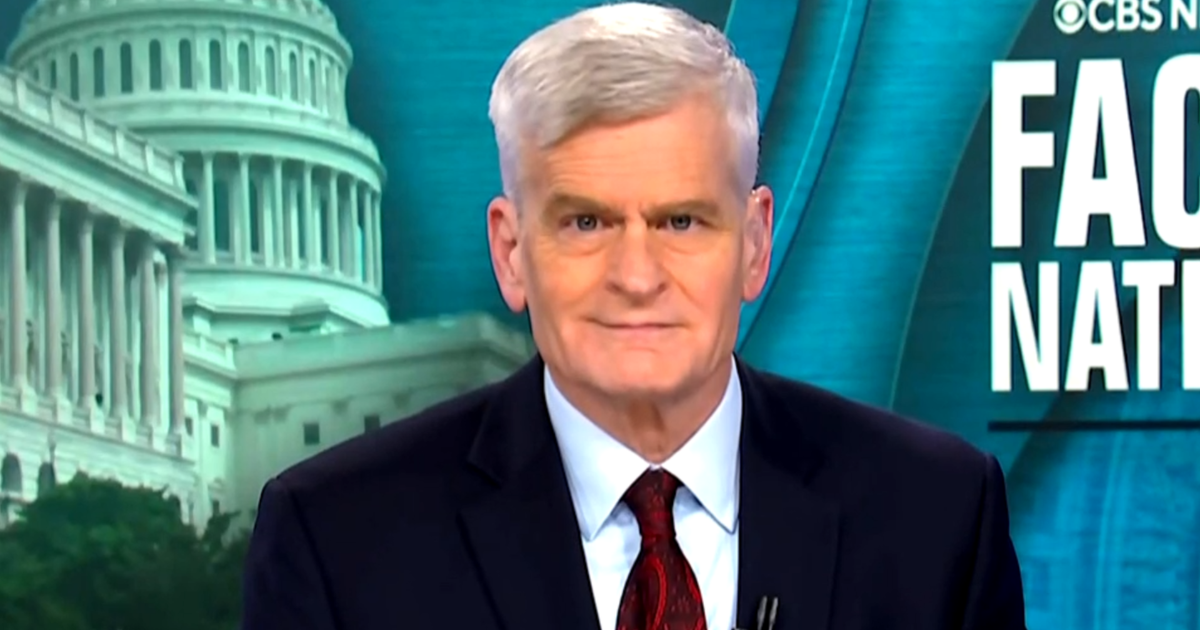
After the Senate rejected two bills last week to address rising health-care costs, Sen. Bill Cassidy said a bipartisan deal is possible, proposing a compromise that would pair a short-term extension of enhanced ACA premium tax credits with Republican-backed measures to redirect funds into health savings accounts for bronze-plan enrollees to help cover high deductibles; Cassidy cited $6,000 out-of-pocket exposure and suggested lawmakers could implement reimbursement-style HSAs by the end of March. Democrats had sought a three-year extension of the enhanced credits, while Cassidy’s measure drew no Democratic votes in the dueling floor actions, and roughly 22 million people face a subsidy cliff at month’s end. Sen. Mark Warner urged immediate extension of the subsidies to avert affordability disruptions, signaling some openness among lawmakers to a temporary, limited compromise.
The Senate rejected two competing bills last week aimed at lowering health-care costs, with Democrats seeking a three-year extension of enhanced Affordable Care Act premium tax credits and Republicans, led by Sen. Bill Cassidy, proposing to redirect funds into health savings accounts (HSAs) for bronze-plan enrollees; Cassidy’s measure received no Democratic votes in the dueling floor actions. Cassidy said a bipartisan compromise is possible if Democrats concede on addressing high deductibles—he cited roughly $6,000 out-of-pocket exposure for some patients—and signaled willingness to support a short-term extension of premium tax credits to help those with higher premiums. Around 22 million people face a subsidy cliff at the end of the month, creating immediate policy pressure; Cassidy proposed a March implementation window for HSA reimbursement mechanics, while Sen. Mark Warner urged an immediate extension of subsidies to avoid near-term affordability disruption. Political tone is cautious but not intractable: some Republicans are open to a temporary, limited extension, the sentiment signal is mixed and market-impact score is modest (0.25), so near-term legislative uncertainty is the primary risk driver for healthcare-related revenues tied to exchange enrollment and out-of-pocket cost structures.
AI-powered research, real-time alerts, and portfolio analytics for institutional investors.
Overall Sentiment
mixed
Sentiment Score
0.00
