The COP30 Climate Change Conference is underway in Brazil, marked by the absence of high-level U.S., Chinese, and Indian leaders, with the Trump administration's non-attendance drawing criticism. A new UN analysis projects global emissions will fall by only 12% by 2035 compared to 2019 levels, significantly short of the 60% reduction needed to meet the 1.5°C Paris Agreement target, leaving the planet on track for a 2.5°C warming. Key discussions at the summit include updating national commitments, a Brazil-led initiative to raise $125 billion for rainforest protection, increased scrutiny of fossil fuel companies, and critical negotiations on climate adaptation financing for developing nations, particularly regarding the transparency and delivery of the $1.3 trillion annual mobilization goal set at COP29.
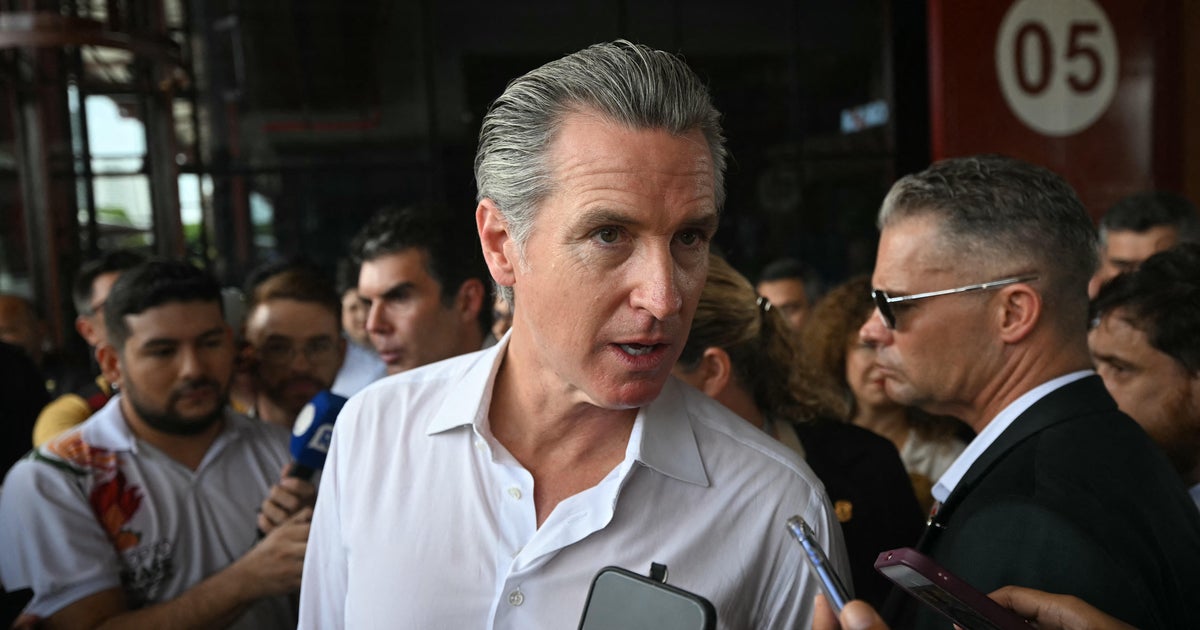
The COP30 Climate Change Conference in Brazil is notably impacted by the absence of high-level delegations from the U.S., China, and India, the world's largest emitters. The Trump administration's decision not to send high-level U.S. officials, despite state-level participation, signals a potential federal policy shift. California's Governor Newsom criticized this, emphasizing missed engagement opportunities with key trading partners like Brazil and broader implications for global climate efforts.
A new U.N. analysis projects only a 12% reduction in global emissions by 2035 from 2019 levels, significantly short of the 60% needed for the 1.5°C Paris Agreement goal. This trajectory places the planet on course for a 2.5°C warming this century, far exceeding the aspirational target and indicating a "moral failure." The Earth's average surface temperature in 2024 was the hottest since 1880, underscoring persistent warming trends.
COP30 aims to update national commitments and includes a Brazil-led initiative to raise $125 billion for rainforest protection. Discussions will also scrutinize fossil fuel companies, accused of "holding back change," and pressure wealthy nations to finance climate adaptations. The scarcity of public data on the delivery of the $1.3 trillion annual climate finance goal from COP29 is a key contention point, suggesting potential funding shortfalls for developing economies.
AI-powered research, real-time alerts, and portfolio analytics for institutional investors.
Request DemoOverall Sentiment
strongly negative
Sentiment Score
-0.65
