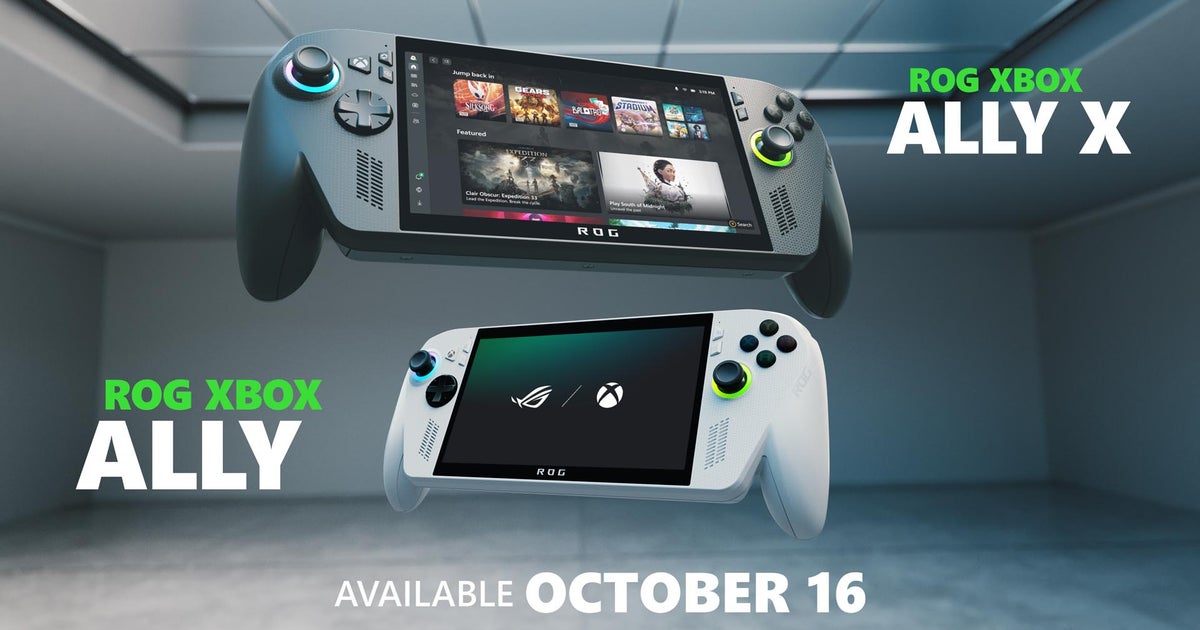
Asus said sales of its third-generation Xbox ROG Ally X, launched Oct. 16, have exceeded expectations with particularly strong demand for premium higher-end models, which are currently in short supply. The company is working with component suppliers to ramp production and expects the Ally range to generate $96 million–$160 million in the current fiscal quarter and roughly $130 million–$160 million per quarter thereafter, indicating a meaningful new revenue driver for its gaming segment. These figures suggest upside to Asus’s gaming revenue, although execution risk remains tied to the firm's ability to close the supply gap.
Market structure: Asus (2357.T) and its Xbox collaboration are clear winners — Asus guided $96–160m this quarter and $130–160m/quarter thereafter from Ally, implying a potential $520–640m annualized revenue stream if sustained, which should boost Taiwanese OEM and premium gaming peripherals demand. Component suppliers (SoC, displays, memory) and Microsoft (MSFT) as an ecosystem partner also benefit; low‑end handheld makers and some console/portable incumbents could see share pressure if Asus converts premium demand into recurring sales.
Risk assessment: Key tail risks are component shortages or single‑supplier bottlenecks that delay ramp by 2–3 months, return/warranty rates for a new hardware class, and FX swings (USD/TWD) hitting reported USD revenue in TWD P&L. Immediate (days) impact is sentiment and short squeezes in small-cap parts, short‑term (weeks/months) hinge on holiday shipping and supplier fills, long‑term (quarters) depends on software/ecosystem lock‑in and margin sustainability.
Trade implications: Direct play: establish a 2–3% long in 2357.T (target +12–18% in 3–6 months, stop‑loss 8%) and a tactical 0.5–1% long in AMD (AMD) given likely SoC demand; overweight MSFT (0.5%) for ecosystem upside. Options: buy a 3‑month call spread on 2357.T (buy ATM, sell ATM+25%) sized 1–2% notional to capture upside while capping cost; pair trade long 2357.T / short HPQ (HPQ) 1:1 to isolate premium gaming upside versus broad PC cyclicality.
Contrarian angles: Consensus may underprice execution risk—if Asus fills <50% of premium demand in 2 months, customers shift to substitutes and hype fades; alternatively, sustained shortages could drive resale and margin upside. Monitor concrete supplier order increases, weekly ship data, and MSFT marketing commitments over the next 30–90 days as binary catalysts — act incrementally and use options to contain downside.
AI-powered research, real-time alerts, and portfolio analytics for institutional investors.
Request DemoOverall Sentiment
moderately positive
Sentiment Score
0.50
