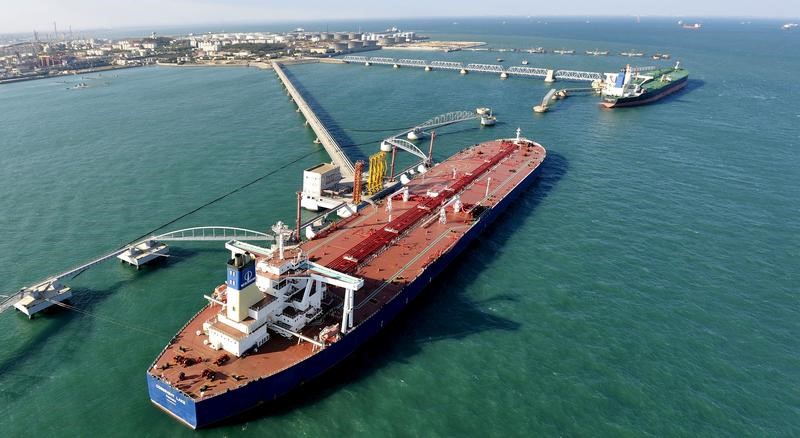
10 oil tankers were reported allowed to transit the Strait of Hormuz as a goodwill gesture, and Morgan Stanley estimates up to 12 vessels passed since March 23 versus three in the prior four-day period. The pickup is modest but significant given the Iran conflict; Barclays warns a prolonged Strait disruption could imply a 13–14 mb/d supply loss, and global inventories entered the conflict tighter despite record SPR releases. Monitor shipping flows and oil-market volatility closely — sustained disruption would materially tighten crude supplies and be market-wide in impact.
Recent micro-signals out of the Gulf look like an incremental reduction in acute tail-risk rather than a durable structural unwind; that distinction matters because physical tightness in crude balances amplifies small directional moves into large P&L swings for basis and vol positions. Expect the immediate market reaction to be dominated by volatility compression in front-month futures and narrow-termises in freight rates over the next 2–6 weeks, while backwardation dynamics and inventory deficits will keep the market sensitive to any reversal.
Second-order plumbing effects will be the fastest to re-price: marine insurance premia, charter dayrates and nearby arbitrage windows respond within days–weeks, whereas refinery intake patterns and long-haul tanker re-deployments re-balance over 3–8 weeks. That stagger creates asymmetric trade windows—tradeable decay in vol and freight within a month, but persistent price floor risk on the crude curve for months because above-ground supplies remain tight, so a renewed shock can gap the front month materially.
Key catalysts to monitor: incident-driven shocks (attacks, interdictions) that can force immediate rerouting and spike VLCC/Suezmax rates; and political/diplomatic moves that would reopen sanctioned flows more permanently. The prudent tactical posture is to harvest vol and freight carry now while maintaining cheap, convex protection against a >$10/bbl crude gap event over the next 3 months.
AI-powered research, real-time alerts, and portfolio analytics for institutional investors.
Overall Sentiment
neutral
Sentiment Score
0.00
Ticker Sentiment
