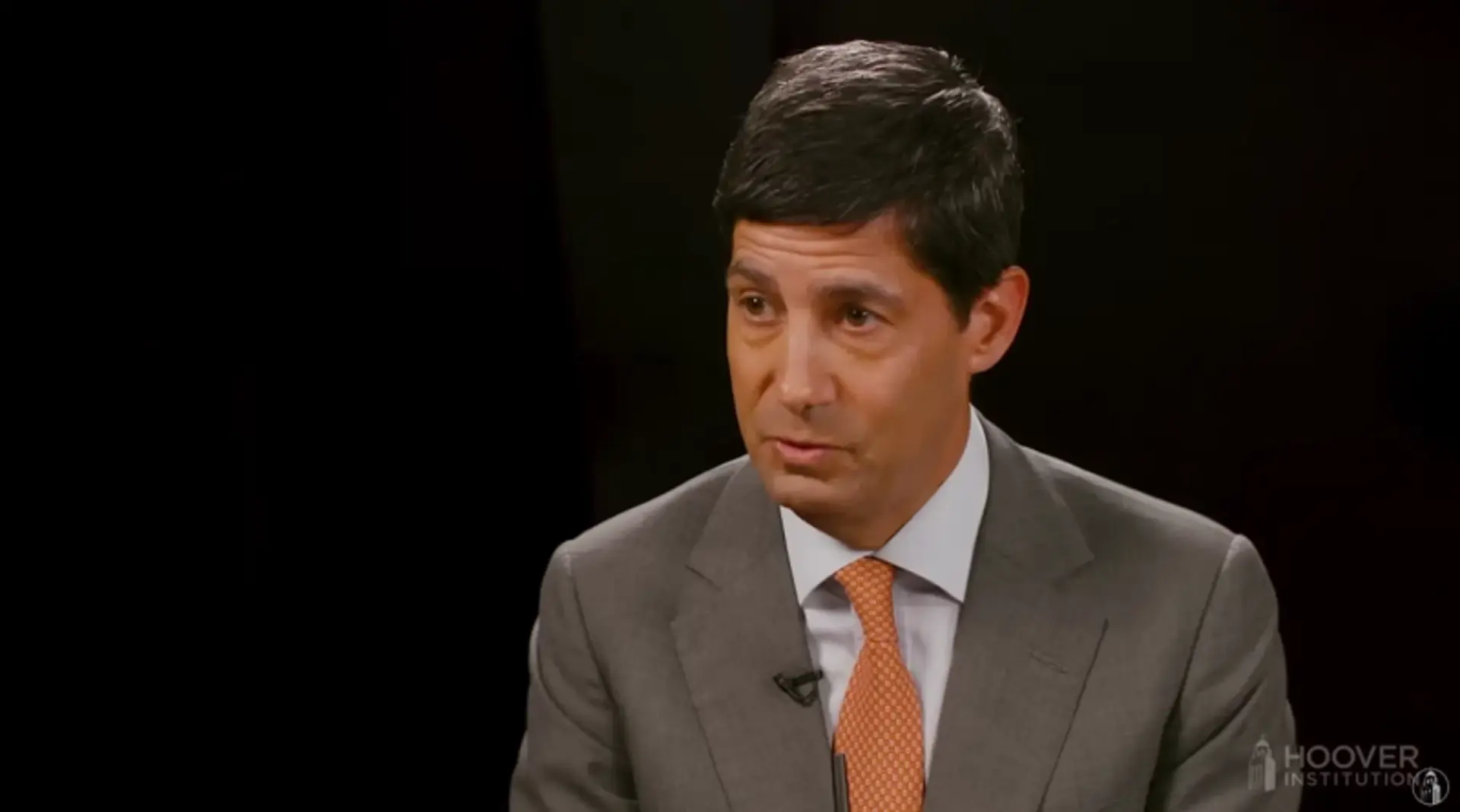
99.5% probability of a rate hold at the April 29 FOMC (FedWatch) is keeping crypto investors on the sidelines ahead of Kevin Warsh's Senate confirmation hearing on April 16. The market assigns just a 0.5% chance of a 25bp hike, while expectations for rate cuts are rapidly cooling amid strong jobs data and inflation concerns. Rising oil prices from escalating Middle East tensions add upside inflation risk, supporting Fed officials' comments that current rates may need to stay elevated for some time.
Crypto markets are currently trading like an event-driven option book: liquidity and delta exposure are compressed into short-dated maturities and funding markets. That structure magnifies moves from small shifts in front-end rate expectations — a 10–25bp repricing in the 2y/3m segment can meaningfully widen realized funding costs for perpetuals and squeeze levered spot positions within days, forcing deleveraging that amplifies downside volatility.
A modest oil shock that persistently adds 30–70bps to core inflation forward pricing would steepen nominal yields and lift real rates if policy follows, hurting long-duration risk assets and crypto more than short-duration credit. The cross-asset transmission channel is dollar appreciation and higher short-term yields compressing risk premia; this is a weeks-to-months mechanism and is reversible if either safe-haven demand or disinflation surprises reassert themselves.
The consensus trade — sit flat into the event — understates option market asymmetry: implied vols have a convexity premium that spikes on uncertainty but mean-reverts quickly once the committee signal arrives. That creates a repeatable short-term setup where buying downside protection immediately around the confirmation hearing (high gamma window) and selling it into the post-hearing volatility crush can be positive EV if sized and delta-hedged, while being mindful that a sustained regime shift would make costs permanent rather than transitory.
AI-powered research, real-time alerts, and portfolio analytics for institutional investors.
Overall Sentiment
mildly negative
Sentiment Score
-0.20
