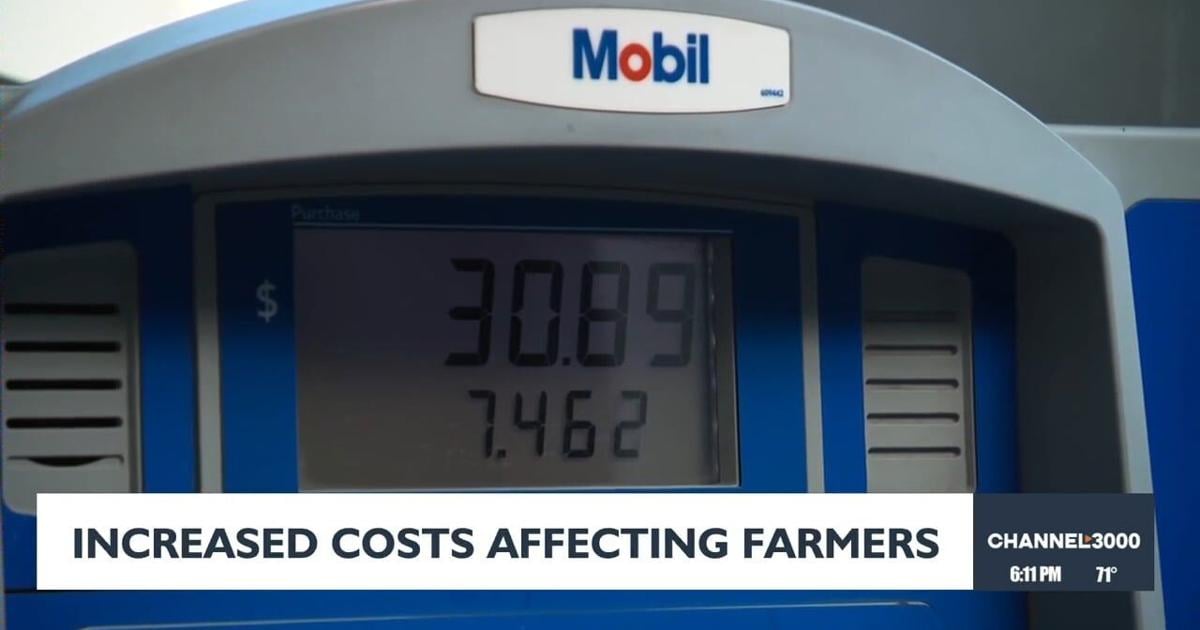
Diesel fuel prices rose roughly $1.00/gal for at least one Wisconsin farm, implying an ~$8,000 extra annual cost for a 17,000-gallon user; another operator expects an imminent $20,000 fuel bill. The war with Iran is disrupting supply chains (Strait of Hormuz routes ~20% of crude) and pushing up fuel and fertilizer costs, threatening to worsen margins after many farms faced negative per-acre returns in 2025. This dual rise in energy and fertilizer input costs raises the risk of acute financial strain and difficult operational decisions across the state's agricultural sector in 2026.
Near-term dislocations in maritime chokepoints create a concentrated demand shock: farmers must lock input purchases in the next 30–60 days for spring planting, which compresses the time window for price discovery and forces passthrough into spot markets. That dynamic temporarily amplifies margins for domestic fertilizer producers and refiners that can deliver locally, while pressuring cash flows and working capital at midstream/distribution points as dealers finance larger inventory buys. A second-order channel is the sequencing effect into crop economics: reduced fertilizer application or delayed planting this spring materially raises the probability of lower yields and tighter grain inventories in the autumn (a 6–9 month channel). That creates a convex payoff — short pain for farmers now but potentially outsized upside for corn/soy prices months out if inputs remain constrained. Idiosyncratic counterparty risk matters: players with large inland logistics footprints and contracted ammonia/urea synthesis capture most upside; pure distribution chains face repayment stress and margin compression once spot normalizes. The likely path is a 1–3 month liquidity shock that transitions into a 3–12 month fundamental repricing of crop supply, then a policy/cash relief leg if Treasury/USDA intervenes. Key catalysts to watch: shipping-lane reopening or diplomatic de-escalation (days-weeks) collapses the immediate premium; SPR/releases or tactical subsidy programs (weeks–months) blunt farmer distress and cap fertilizer price runups; persistent outages push the grain market repricing into H2 and favor cyclicals with low incremental supply latency.
AI-powered research, real-time alerts, and portfolio analytics for institutional investors.
Overall Sentiment
strongly negative
Sentiment Score
-0.60
