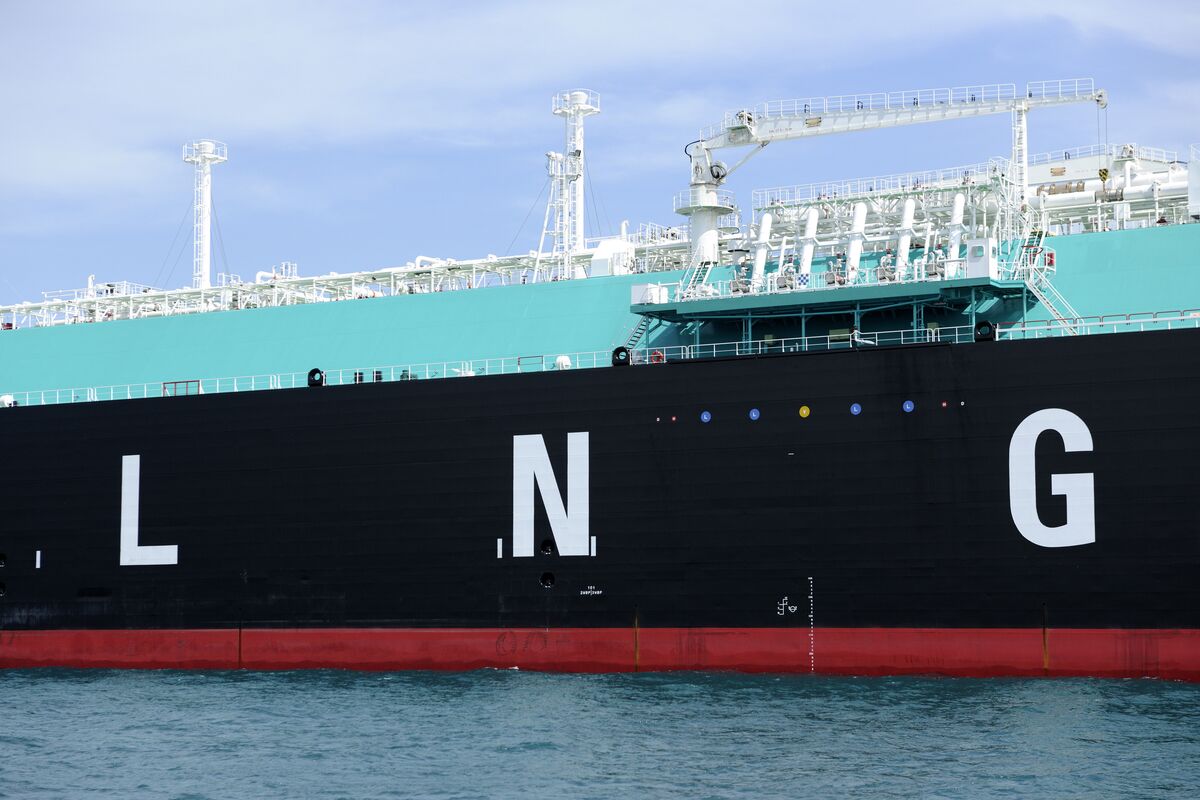
Singapore says it has secured enough LNG to cover demand through year-end after replacing cargoes stranded by disruption near the Strait of Hormuz. State-owned Singapore GasCo sourced spot cargoes from outside the Middle East and is also pursuing longer-term supply deals with the US, Australia, and Canada. The update highlights supply-chain diversification amid elevated geopolitical risk in global gas markets.
The immediate winner is not just Singapore’s utility procurement arm but any non-Middle East LNG seller with flexible cargoes and reliable shipping optionality. Spot procurement into a disrupted routing environment typically transfers bargaining power to Atlantic Basin exporters and to vessel owners with clean, short-haul availability; the second-order effect is tighter prompt-market liquidity and a wider premium for destination-flexible contracts over fixed-destination supply. In contrast, Middle East-linked cargoes face a demand displacement risk even if physical outages are limited, because buyers will price in rerouting and insurance frictions before molecules actually stop moving.
The key duration question is whether this is a one-quarter rebalancing or a structural procurement shift. If Singapore’s buyer base starts locking in term volumes from the US, Australia, and Canada, that creates a medium-term floor for Pacific Basin LNG differentials and reduces the value of Middle East proximity as a logistical advantage. Over months, that can also reshape contracting norms: more Henry Hub-linked exposure, fewer spot-Asian spreads, and higher equity value for exporters with brownfield expansion and low execution risk.
Contrarian risk: the market may be underestimating how fast physical logistics normalize relative to headline geopolitics. If transit insurance, shipping availability, or ceasefire expectations improve over the next 2-6 weeks, prompt LNG premiums can compress sharply even while the geopolitical risk premium persists in equities. The bigger, less obvious risk is that this becomes a template for other importers, creating a broader rotation away from Middle East supply than current pricing reflects, which would be bearish for regional exporters and supportive for North American liquefaction names.
AI-powered research, real-time alerts, and portfolio analytics for institutional investors.
Overall Sentiment
neutral
Sentiment Score
0.10
