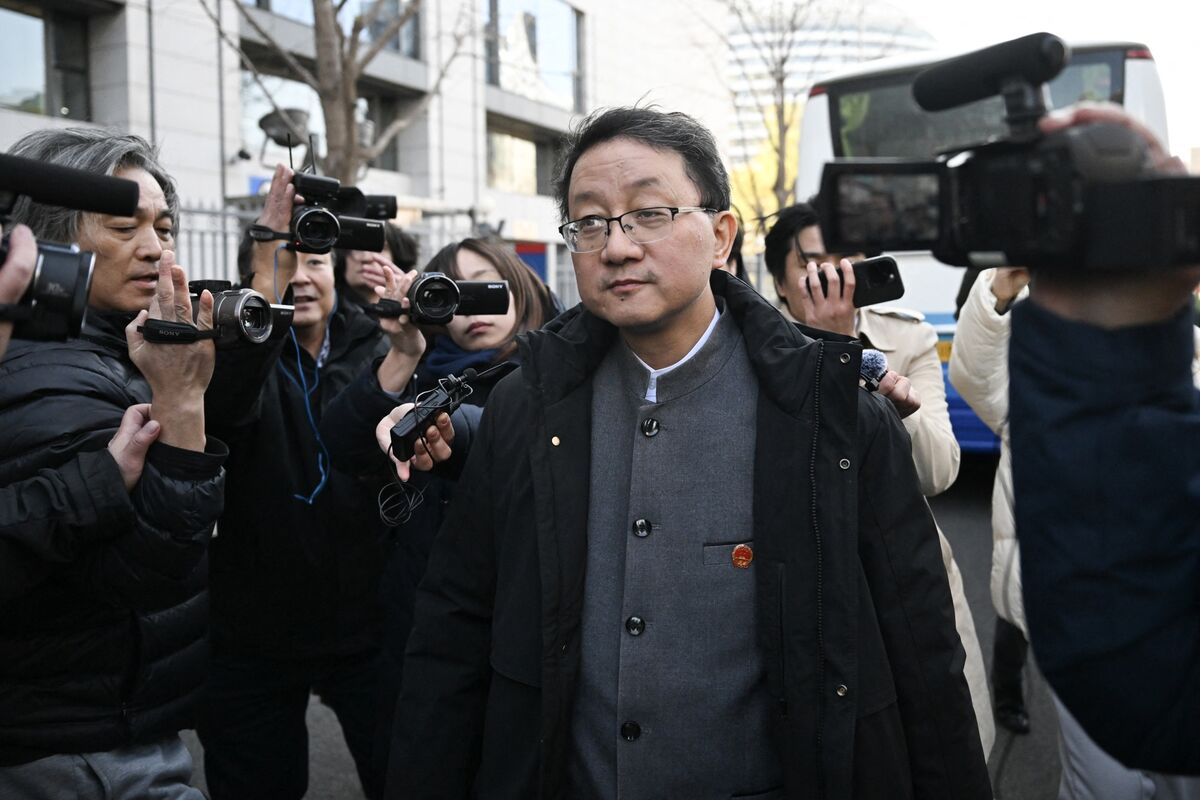
A diplomatic attempt to defuse rising China-Japan tensions faltered after Liu Jinsong, director-general of the Chinese Foreign Ministry’s Asian Affairs Department, said he was “dissatisfied” with his meeting with Japanese diplomat Masaaki Kanai, according to The Paper; the breakdown suggests the spat is likely to persist and has renewed concerns about potential further strain on economic ties, with attendant risks for trade and investment linkages between the two countries.
An opening diplomatic effort to defuse rising tensions between China and Japan failed after Liu Jinsong, director-general of the Chinese Foreign Ministry’s Asian Affairs Department, said he was "dissatisfied" with his meeting with Japanese diplomat Masaaki Kanai, according to The Paper. That explicit public dissatisfaction signals the initial de‑escalation attempt did not bridge substantive differences and that the bilateral spat is likely to persist.
Market signals classify the story as moderately negative and risk‑off with a market impact score of 0.35, indicating meaningful near‑term market sensitivity without evidence of systemic shock. The article links this diplomatic impasse directly to renewed concerns about potential further strain on trade and investment linkages between the two economies, implying higher geopolitical risk premia for cross‑border exposures.
Prolonged tensions raise the probability of trade frictions, regulatory responses, or operational disruption along supply chains that connect Japan and China, which would increase volatility for trade‑dependent sectors and assets with concentrated regional exposure. Near‑term indicators to monitor are subsequent official statements and meetings, any policy steps affecting bilateral trade or investment, and observable changes in trade and financial flows that would concretely alter revenue or supply‑chain assumptions.
AI-powered research, real-time alerts, and portfolio analytics for institutional investors.
Request DemoOverall Sentiment
moderately negative
Sentiment Score
-0.40
