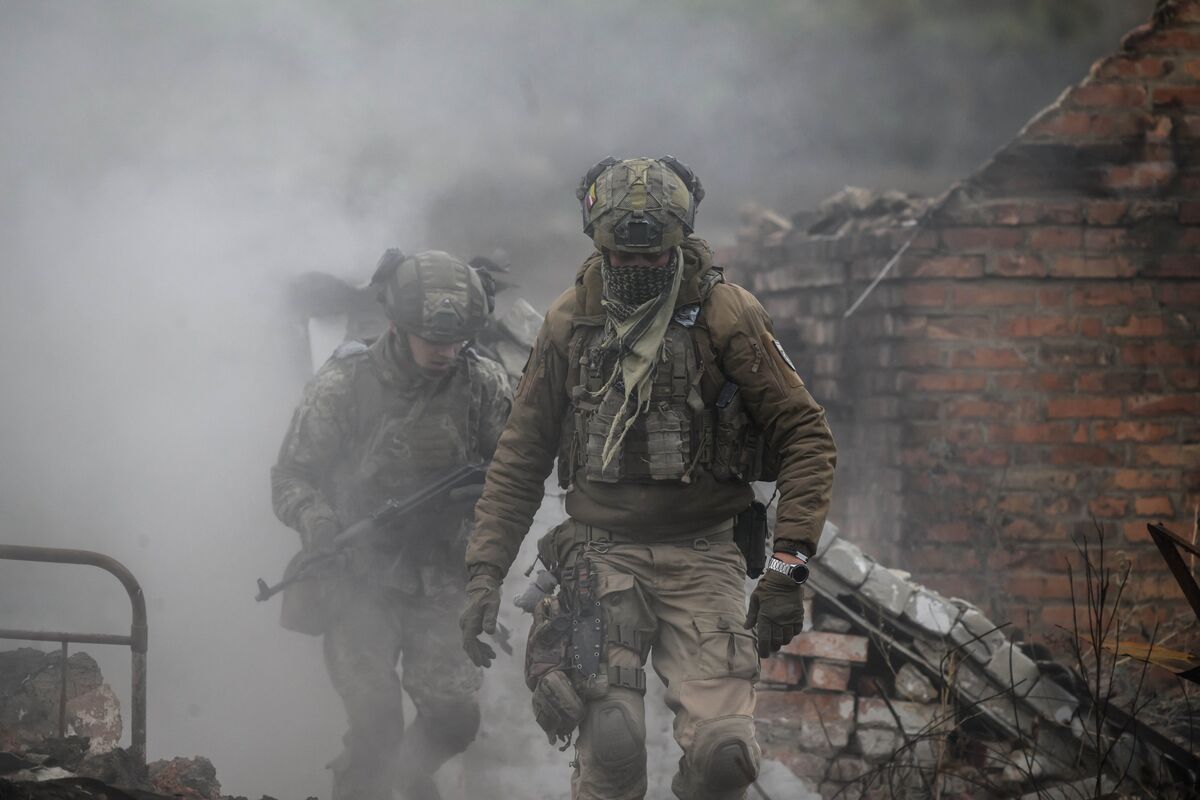
Norway is likely to keep assistance to Ukraine near current levels beyond next year, with a draft 2026 budget under negotiations allocating 85 billion kroner ($8.4 billion) for Ukraine. A senior opposition lawmaker cited a low chance of peace and said there is broad parliamentary backing, signaling sustained fiscal commitment that could support defense-related suppliers and modestly increase Norway's outlays.
Market structure: steady Norwegian aid (≈85bn NOK for 2026) favors European and US defense suppliers, ammunition/mining companies and systems integrators that can scale production over 6–24 months. Expect incremental pricing power for mid-tier contractors (Rheinmetall, Kongsberg) as procurement shifts from one-off to sustained demand; commodity inputs (steel, copper, aluminum, energetics) will see notch-up in offtake, pushing spreads +50–150bps in tight markets over 6–12 months.
Risk assessment: tail risks include escalation to broader sanctions or direct strikes on supply lines (low probability, high impact) which would spike energy and metals volatility; cyber/industrial disruption could delay deliveries and produce 20–40% schedule overruns. Immediate (days) reactions will be muted; short-term (weeks–months) repricing in defense equities and FX is likely; long-term (quarters–years) durable orderbooks matter more than headlines.
trade implications: tactically favor 3–9 month exposures to defense equities and commodity cyclicals while hedging event risk. Use concentrated call-spread exposure to Rheinmetall (RHM.DE) and RTX (RTX) for upside with capped cost, overweight Nordic suppliers (KOG.OL, SAAB-B.ST) via 1–2% positions, and reduce duration in Norwegian sovereign bonds by 0.25–0.75 years if 10y NOK yields rise >20bps.
contrarian angles: consensus underprices industrial execution risk and supply-chain inflation—manufacturing bottlenecks could compress margins, so avoid unhedged long on small-cap primes without visible order backlog. If NATO/US increases funding materially, winners will be system integrators with manufacturing footprints in EU/US rather than single-country suppliers; that's where alpha will shift over 12–24 months.
AI-powered research, real-time alerts, and portfolio analytics for institutional investors.
Overall Sentiment
neutral
Sentiment Score
0.00
