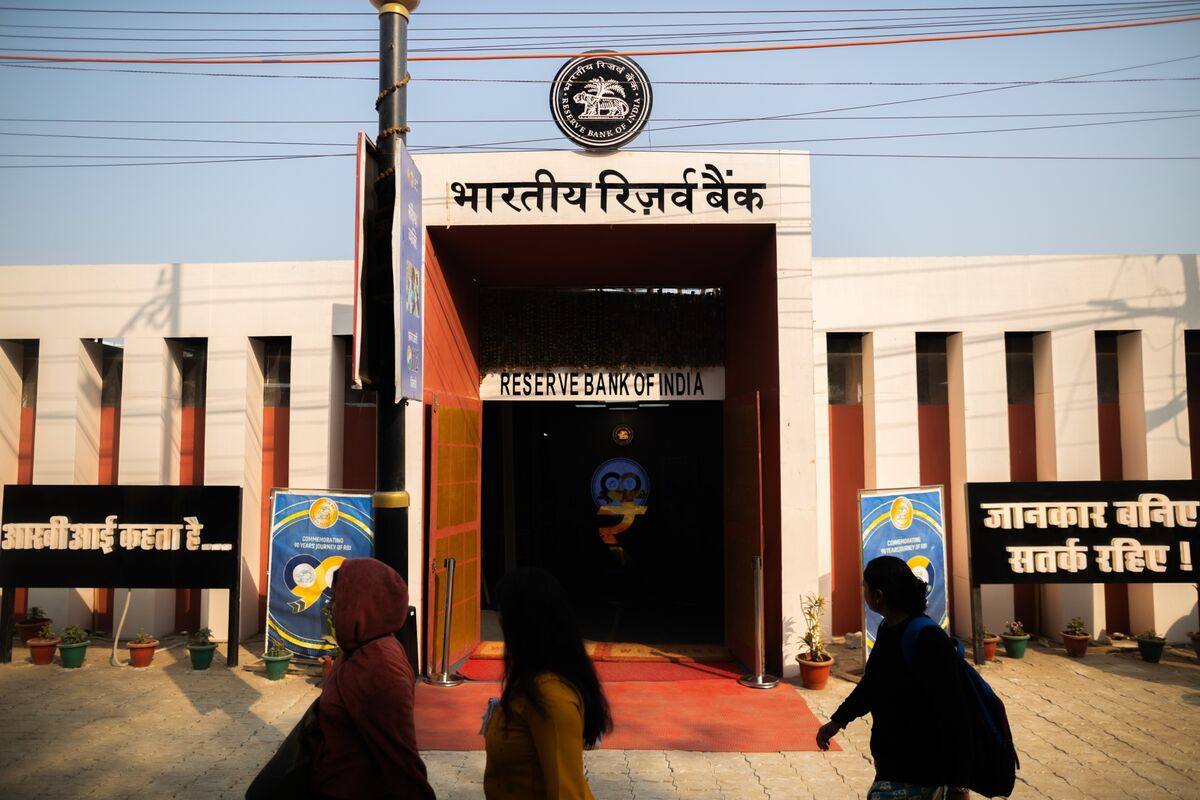
India's central bank (RBI) has reduced its short dollar positions in the derivatives market for a third consecutive month, with the net book declining to $65.2 billion in May from $72.6 billion in April and a record $88.8 billion in February. This ongoing reduction signals a significant rejig of the RBI's intervention strategy under new chief Sanjay Malhotra, indicating a potential shift in India's currency management approach.
The Reserve Bank of India (RBI) is actively reducing its intervention in the currency derivatives market, marking a significant strategic shift under its new leadership. The central bank's net short position in the US dollar forwards market contracted for a third straight month to $65.2 billion in May, down from $72.6 billion in April and a record high of $88.8 billion in February. This cumulative $23.6 billion reduction from the peak indicates a deliberate unwinding of forward dollar sales previously used to support the rupee. This change in tactics suggests the RBI may be anticipating reduced depreciation pressure on the currency or is adopting a more flexible exchange rate policy, thereby conserving its foreign exchange reserves by lowering future dollar delivery commitments. The move is a key indicator of India's evolving macroeconomic management approach, signaling a potential decrease in the predictability and scale of central bank support for the rupee.
AI-powered research, real-time alerts, and portfolio analytics for institutional investors.
Request DemoOverall Sentiment
neutral
Sentiment Score
0.00
