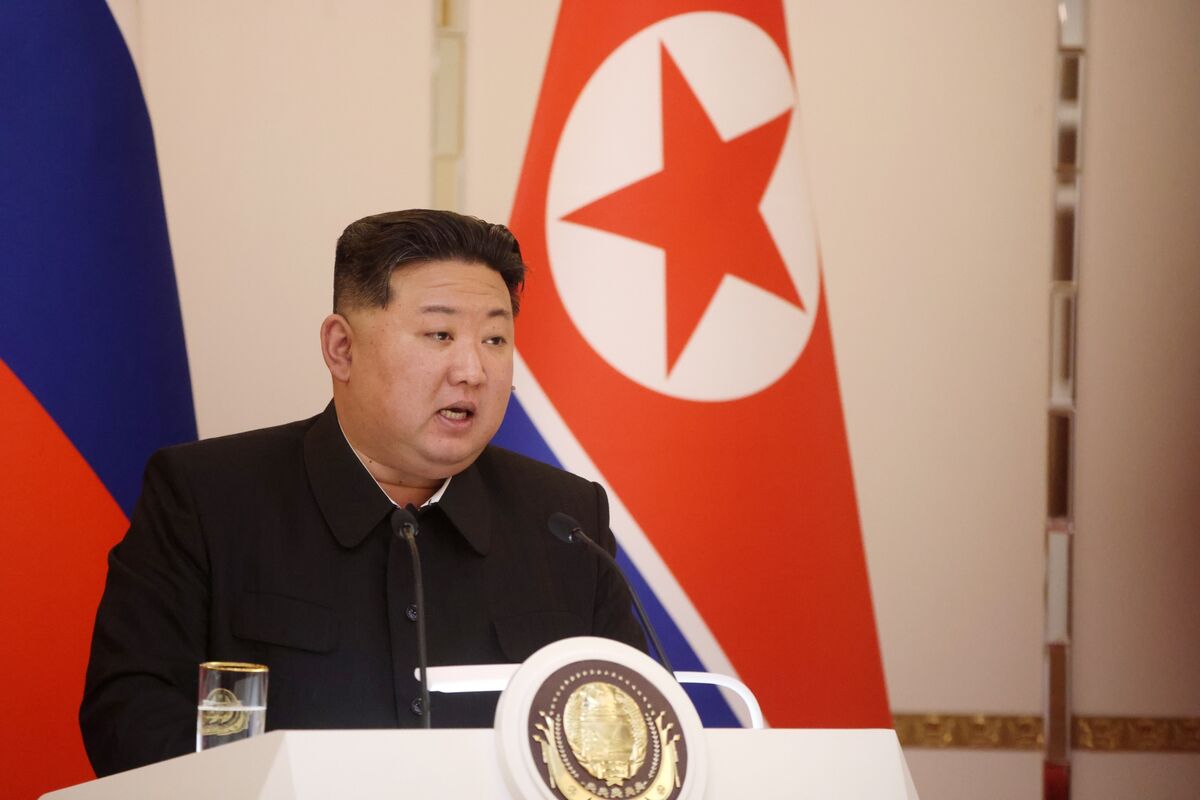
North Korean leader Kim Jong Un's announced trip to China for the Sept. 3 Victory Day celebrations, where he will join Russian President Vladimir Putin, signals a significant shift in Pyongyang's diplomatic strategy. This move, coming shortly after US President Trump expressed interest in a meeting, suggests North Korea is asserting a more prominent international role and challenging its previously isolated stance in nuclear diplomacy, potentially altering the dynamics of future negotiations with the US and its allies.
North Korea is signaling a significant strategic shift in its diplomatic posture, moving to reframe its international standing. The announcement of Kim Jong Un's attendance at China's Victory Day parade, alongside Russian President Vladimir Putin, serves as a direct response to recent overtures from the US for renewed talks. This action demonstrates a strengthening of ties with Beijing and Moscow, projecting a unified front that challenges the previous bilateral negotiation framework centered on the US. By positioning itself alongside major world powers, Pyongyang is asserting that it is no longer the isolated entity it was during past nuclear discussions. This development fundamentally alters the diplomatic landscape, suggesting that any future negotiations will likely require a more complex, multilateral approach, diminishing the direct leverage the US and its allies previously held.
AI-powered research, real-time alerts, and portfolio analytics for institutional investors.
Request DemoOverall Sentiment
neutral
Sentiment Score
0.00
