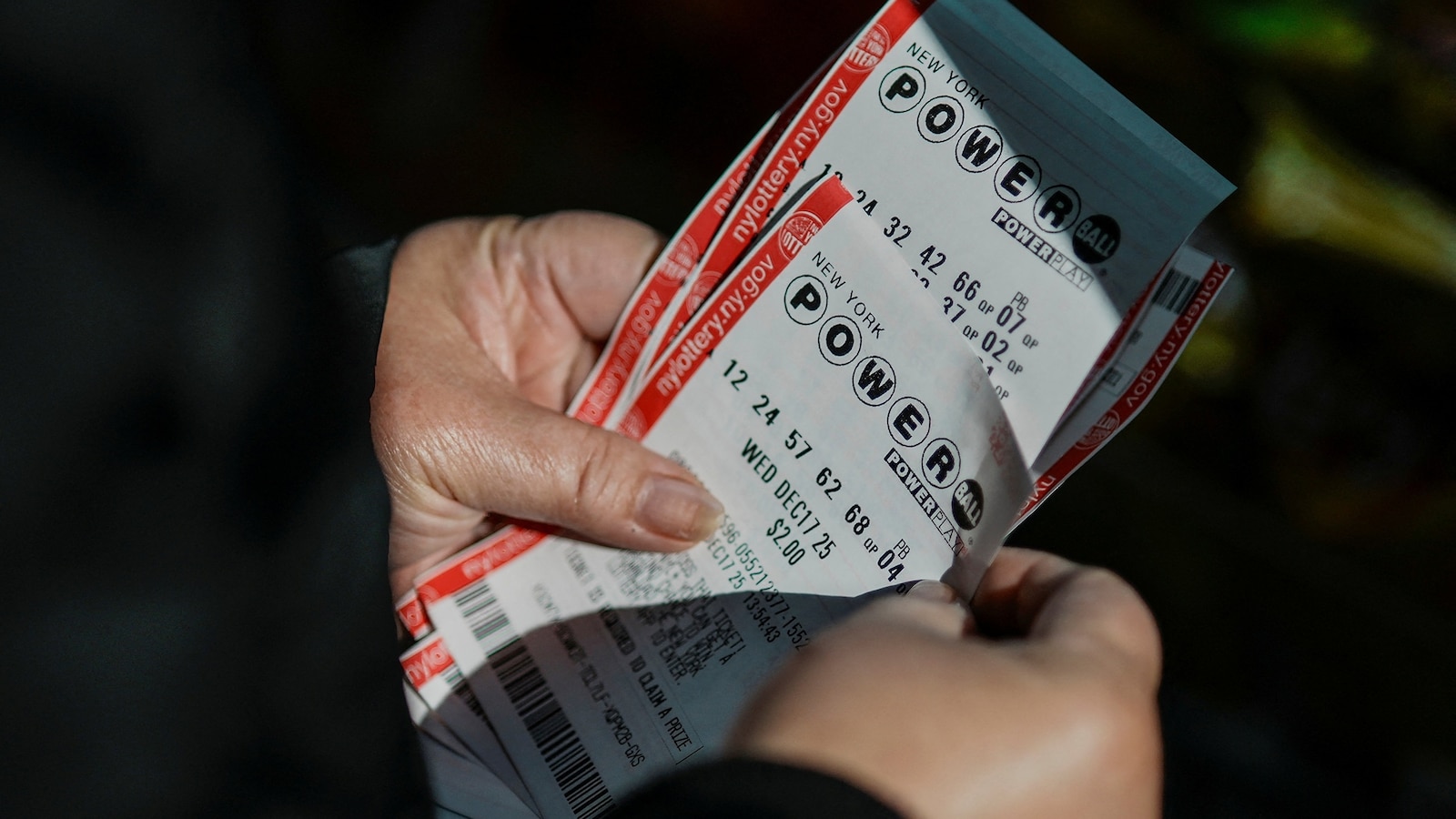
The Powerball jackpot has climbed to an estimated $1.5 billion after 44 consecutive rollovers, making it the seventh-largest Powerball/Mega Millions prize and the 14th lottery jackpot to exceed $1 billion; the last jackpot win was a $1.787 billion split on Sept. 6, 2025. The surge in mega-jackpots is attributed to ticket price increases and game redesigns—Mega Millions raised single-play tickets to $5 and cut the Mega Ball range (1–24), while Powerball has retained $2 plays but expanded its white-ball pool—changes that reduce jackpot odds and enable larger rollover growth.
Market structure: Large jackpots are a demand spike event that disproportionately benefits physical retail channels (Walmart WMT, Kroger KR, convenience chains like Casey’s CASY) and payments networks (Visa V, Mastercard MA) through incremental transactions and cross‑sell; media/social platforms get short-term traffic/ad revenue. Lottery operators (state treasuries) capture elevated receipts but pricing power is limited by political oversight; online-only retailers (AMZN) are relative losers for the jackpot window as foot traffic substitutes digital spend.
Risk assessment: Tail risks include regulatory backlash (state caps on ticket price or limits on advertising), tech/operational failure at drawing that erodes trust, and tax-policy changes on lottery payouts; these are low‑probability but could hit retail foot traffic and payment volumes 3–24 months out. Immediate impact (days) is measurable sales lift; short term (weeks/months) reversion risk is high; long term (quarters/years) depends on legislative action and whether lotteries keep raising prices.
Trade implications: Tactical trades should be short‑dated and event‑driven: capitalize on a 3–10 day foot‑traffic window surrounding drawings with small, defined positions and options to cap downside. Avoid long‑term exposure premised solely on jackpot frequency given historical mean reversion (2016/2022 parallels) and the tiny revenue share of lotteries for large retailers.
Contrarian angle: The market often overestimates durable earnings impact—lottery receipts are typically <1% of total sales for big-box retailers—so selling strength after a 3–5% pop is defensible. Watch for second‑order effects (increased cash usage, ATM fees benefiting banks) and for regulatory proposals: if 3+ states file restrictive bills within 60 days, the short‑term thesis collapses.
AI-powered research, real-time alerts, and portfolio analytics for institutional investors.
Request DemoOverall Sentiment
neutral
Sentiment Score
0.00
