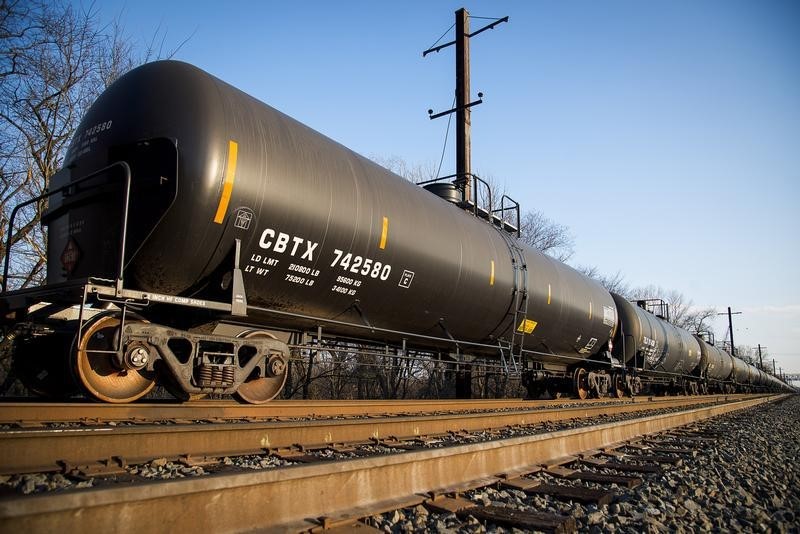
The U.S. is allowing the Russian tanker Anatoly Kolodkin, carrying roughly 650,000–730,000 barrels of crude, to deliver oil to Cuba, easing a de facto U.S. oil blockade. Cuba, which President Miguel Díaz-Canel says has had no oil imports for three months, faces gasoline rationing and repeated power outages; this shipment would provide material short-term relief to the island. The move coincides with a temporary U.S. lifting of some Russia sanctions to help oil flows disrupted by U.S. and Israeli strikes on Iran, though U.S. motives for permitting the shipment remain unclear.
A shift toward selective sanction carve-outs for energy flows is a policy instrument, not an admission of failed containment; that distinction matters because carve-outs create predictable, repeatable corridors that market participants can arbitrage within weeks-to-months rather than months-to-years. Expect near-term tactical demand for specialized shipping capacity and insurance wrappers that can operate inside narrow legal windows — owners of modern, compliant mid/long-haul tankers capture outsized day-rate spreads when routings are constrained by regulatory friction.
Second-order winners are data and compliance providers that monetize continuous vessel-tracking and KYC audit trails: as enforcement fragments, buyers will pay for higher-resolution provenance and legal cover, lifting recurring revenue multiples over 12–24 months. Conversely, large diversified insurers and legacy brokers face elevated tail liability and underwriting margin pressure because one-off policy exceptions increase claims complexity and counterparty uncertainty.
Catalysts that would reverse this dynamic include domestic political blowback or a rapid re-tightening of export controls — those are binary and can materialize in days after a high-profile leak or legal challenge, compressing freight and equity premiums sharply. Geopolitical escalation in the region is the wildcard that pushes markets back to scarcity pricing; monitor sanction waiver cadence, ship-to-shore insurance issuance, and regulatory guidance for forward 30–90 day signals.
The consensus treats these actions as one-offs; the contrarian view is that repeated, limited exemptions become the operating model, structurally benefiting nimble shipping owners, data providers, and boutique insurers while penalizing scale players that cannot adapt underwriting quickly. Position sizing should reflect high event risk: trade the operational arbitrage, not the headline, and prefer option-structured exposures with defined downside.
AI-powered research, real-time alerts, and portfolio analytics for institutional investors.
Request DemoOverall Sentiment
neutral
Sentiment Score
0.00
Ticker Sentiment
