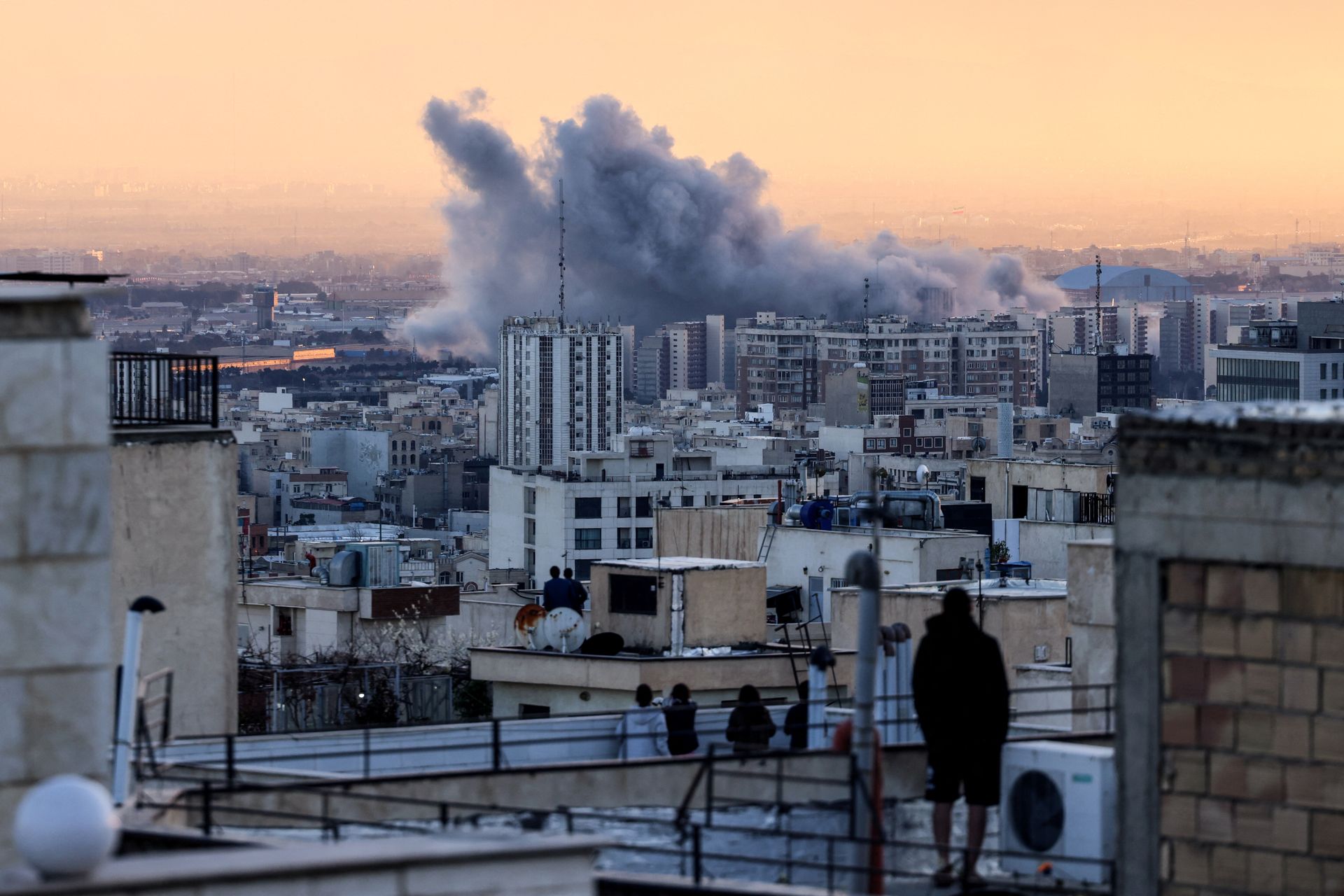
Iran and Russia can produce roughly 10,000 and 12,000 Shahed drones per month respectively; nearly 58,000 such drones have struck Ukraine since 2022 and on March 1 one hit a US operations center in Kuwait, killing six American soldiers. The op-ed warns closure of the Strait of Hormuz and an oil shock have pushed energy prices sharply higher, depleted air-defense interceptors, and materially raises geopolitical and defense risk for Europe — urging urgent military, economic and diplomatic support for Ukraine (including long-range missiles and use of frozen Russian assets).
Europe faces a resource-allocation problem: finite defense production, munitions, and diplomatic capital will be stretched across multiple theaters, which favors actors that can rapidly convert political momentum into deliverable hardware within 6–18 months. Expect procurement lead-times to become the binding constraint—programs with modular, existing production lines will absorb outsized funding while bespoke programs face multi-year delays.
Energy markets will experience elevated backwardation and regional basis dislocations as trade lanes and insurance corridors are repriced; this boosts near-term cash margins for LNG cargo owners and storage operators but raises input costs for European industrials. Volatility should compress into higher realized spread and option premia for 3–12 months, creating asymmetric opportunities for players that can hedge physical exposures.
Financial plumbing and legal risk increase: frozen/contestable sovereign and private assets become latent liabilities for European banks and asset managers, pressuring capital ratios and forcing emergency liquidity facilities in stressed jurisdictions. Insurance and reinsurance will reprice geopolitical risk zones sharply (underwriting capacity reallocation over quarters), driving higher premiums for air, marine, and energy contractors and creating a window for specialty insurers to expand selective market share.
Second-order industrial winners are firms that can scale manufacturing within months (platform-based defense primes, LNG floater owners, specialized shipbuilders converting commercial tonnage). Losers include asset-heavy, low-margin European travel and logistics firms exposed to corridor denial and those dependent on gas-intensive production without viable hedges in the next 6–12 months.
AI-powered research, real-time alerts, and portfolio analytics for institutional investors.
Request DemoOverall Sentiment
strongly negative
Sentiment Score
-0.65
Ticker Sentiment
