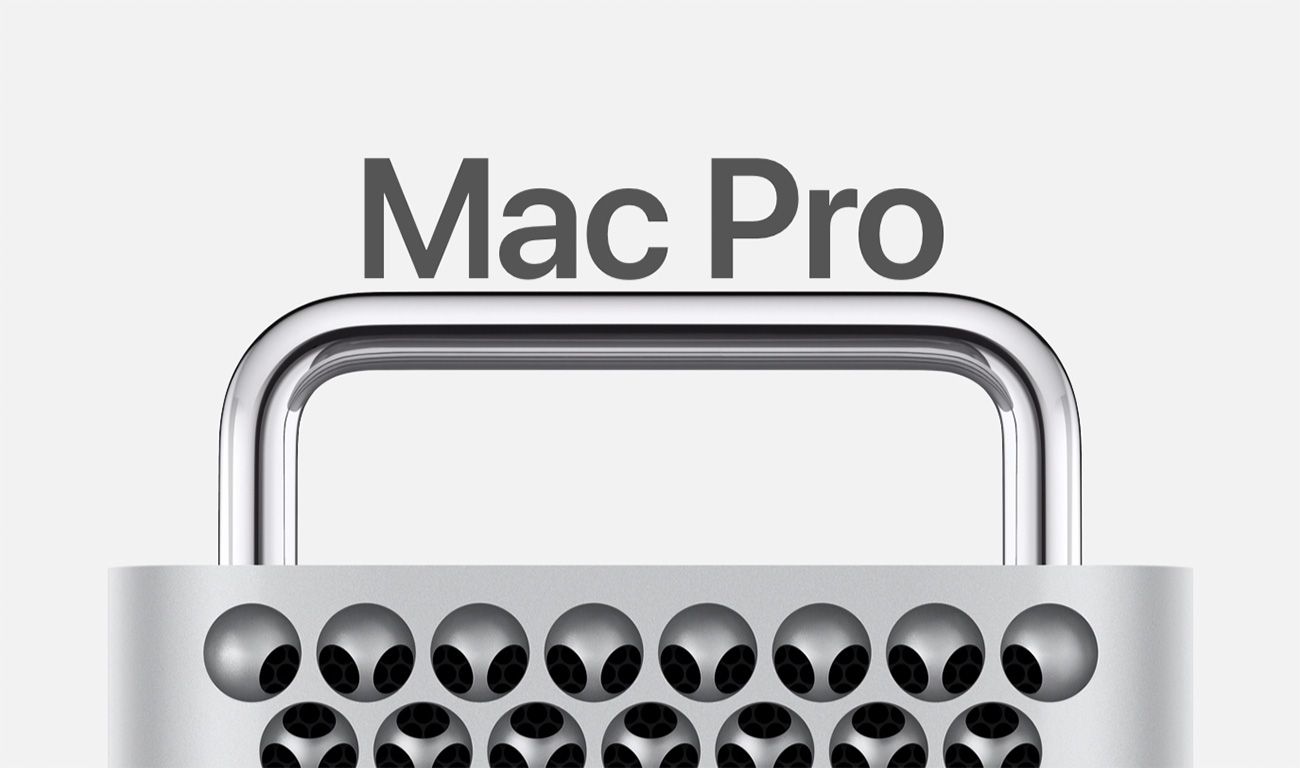
Apple has officially discontinued the Mac Pro and removed it from its online stores, confirming there will be no future Mac Pro models. The company appears to be steering professional users toward the Mac Studio, iMac and Mac mini; the move reflects product consolidation rather than a material financial event and is unlikely to meaningfully impact Apple's earnings or market position.
Apple’s permanent removal of the high-end, modular workstation tightens an already visible tilt toward integrated, higher-margin Macs. Expect Apple to reallocate R&D and marketing spend toward the Studio/iMac/Mini lines and the Studio Display, which should boost blended gross margins by compressing low-volume, high-cost SKUs and raising ASPs on consolidated pro-focused models within 6–18 months.
A key second-order is demand migration in the professional workstation ecosystem: creative and scientific buyers who require modularity will increasingly evaluate Windows workstations (Dell, HP, Lenovo) and discrete GPU suppliers (NVIDIA/AMD). Conservative modeling suggests Windows workstation units could capture an incremental 5–10% share from Apple’s former pro users over the next 12–24 months, benefiting OEMs and discrete GPU revenue on a lag.
Supply-chain winners are TSMC (incremental wafer demand for continued Apple Silicon rollouts) and panel/accessory vendors tied to Studio Display and Mac Studio volume; losers include niche chassis, enterprise PCIe expansion and rack solution vendors that relied on the modular Mac Pro TAM. Regulatory and reputation risks (right-to-repair, professional customer churn) are asymmetric tail risks that could manifest over 6–24 months and would be the clearest catalyst to reverse the trend if Apple adjusts strategy or partners for modular solutions.
AI-powered research, real-time alerts, and portfolio analytics for institutional investors.
Request DemoOverall Sentiment
neutral
Sentiment Score
0.00
Ticker Sentiment
