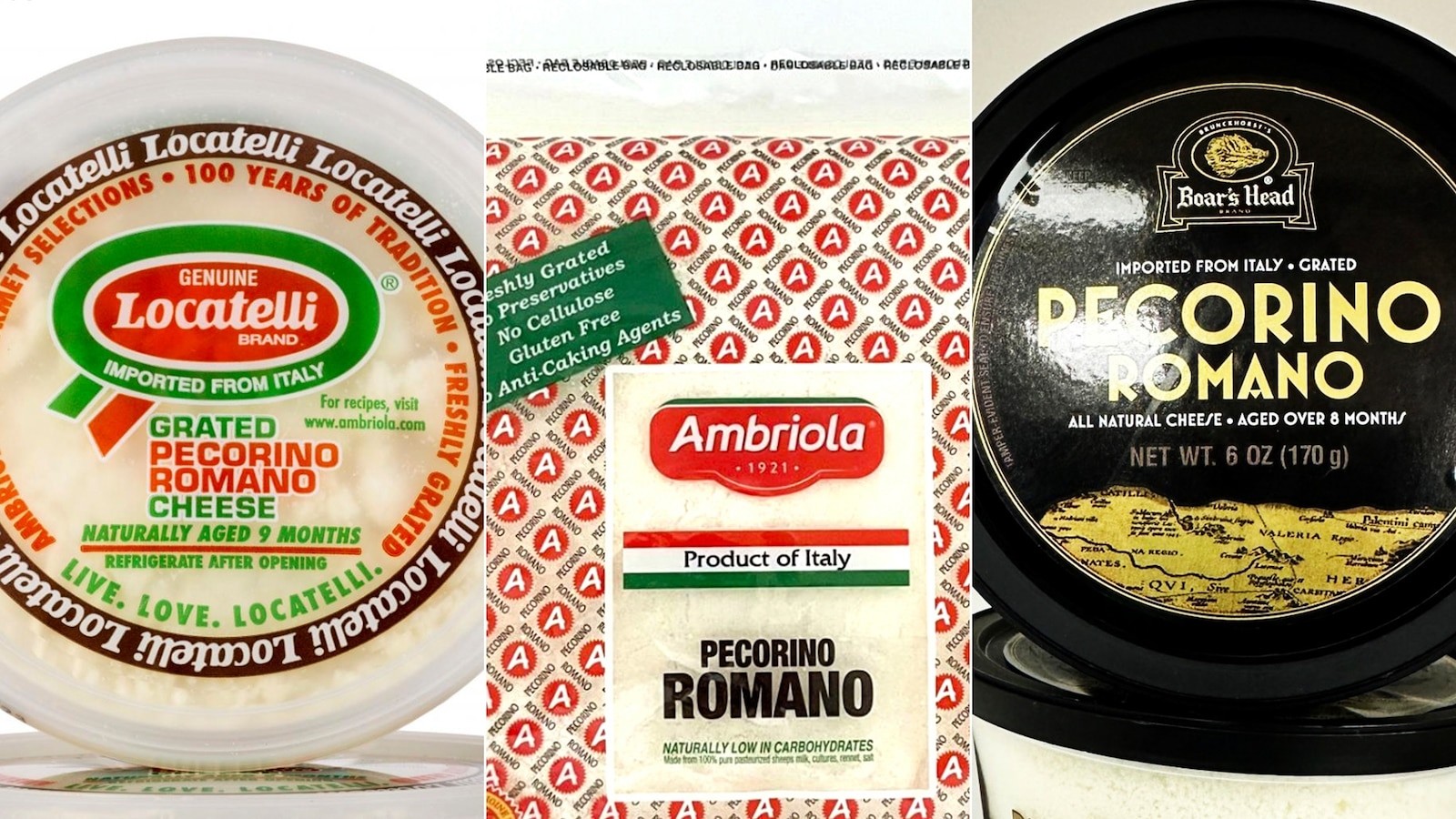
The FDA upgraded Ambriola's voluntary Nov. 21, 2025 recall of eight pecorino Romano products to a Class I designation after routine testing confirmed Listeria, warning the cheeses could cause serious illness or death. The recalled items, distributed nationwide to retail stores and food distributors across 20 states between Nov. 3 and Nov. 20, were sold under multiple labels including Ambriola, Locatelli, Member's Mark, Pinna and Boar's Head; Ambriola has suspended production, urged returns or disposal, and is cooperating with the FDA. While no illnesses have been reported, the action poses reputational, operational and potential liability costs for Ambriola and supply-chain disruption risk for retail partners.
Market structure: This recall disproportionately hurts small/medium specialty cheese suppliers (Ambriola-level players) and private-label buyers (Member’s Mark/Sam’s Club) while creating a transient demand tilt toward large, diversified processed-cheese and shelf-stable dairy brands (KHC, larger grocers WMT/COST). Retailers/distributors that can absorb refunds and logistics (WMT, COST, KR) gain bargaining leverage; regional/foodservice distributors (USFD, SYY) face margin and inventory-disposal risk. Pricing power: expect short-duration premium on substitute grated cheeses (parmesan/industrial blends) for 4–12 weeks, ~+2–5% price pressure in spot contracts.
Risk assessment: Tail risks include FDA expanding recalls or finding systemic sanitation failures leading to multi-month import restrictions (probability low-medium, impact high: +5–15% cost pass-through for specialty cheeses). Immediate (days): inventory pulls and refunds; short-term (weeks–months): lost shelf space and brand share shifts; long-term (quarters): tightened supplier QA and higher compliance OPEX (2–4% margin headwind for small producers). Hidden dependencies: private-label liability exposure and insurers’ reserves; litigation could surface in 3–9 months and materially hit privately held suppliers.
Trade implications: Direct plays — favor large, diversified staples (KHC, XLP) and resilient retailers (WMT, COST) while hedging or trimming exposure to specialty dairy processors (SAP.TO) and regional food distributors (USFD, SYY). Pair trades include long KHC vs short SAP.TO (or long WMT vs short USFD) to capture share reallocation over 1–3 months. Options: buy 3-month call spreads on KHC to capture modest upside and buy 3-month puts on SAP.TO/USFD as cheap tail hedges.
Contrarian angle: Market likely underprices regulatory tightening risk — a single Class I recall historically leads to stricter supplier audits within 30–90 days, favoring scale and standardized supply chains. Blue Bell-like episodes show brand recovery for small makers can take >12 months; large incumbents typically realize low-single-digit permanent share gains. If no expansion within 30 days, the shock is likely overdone and short protection can be wound down.
AI-powered research, real-time alerts, and portfolio analytics for institutional investors.
Request DemoOverall Sentiment
moderately negative
Sentiment Score
-0.35
