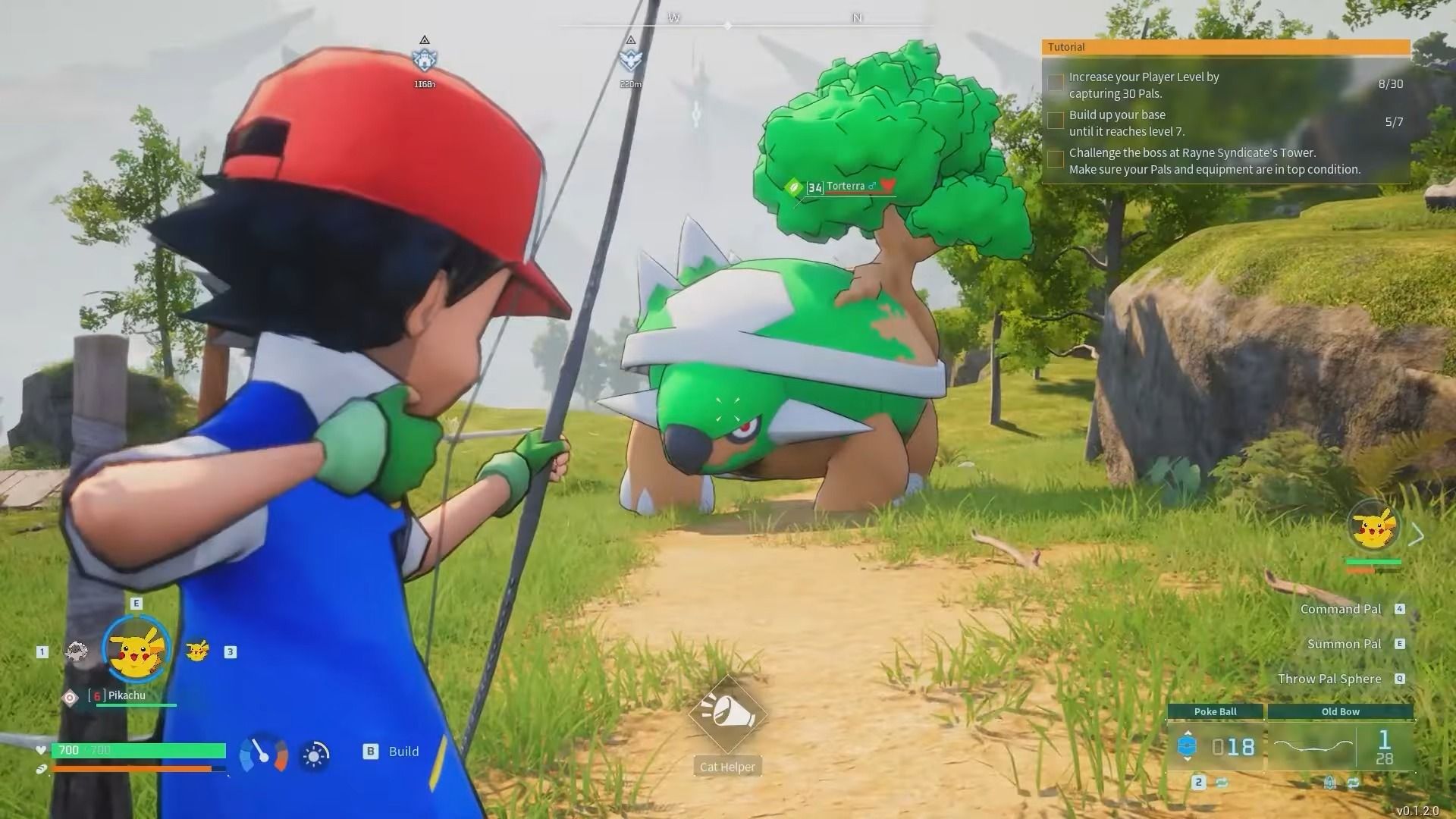
USPTO issued a non-final rejection of Nintendo's 'summon and fight' patent, rejecting all 26 claims; the examiner cited four prior filings (Taura, Yabe, Motokura, Shimomoto) to show the mechanic was not original. Nintendo has a two-month window to respond (extendable) and can amend or appeal, but the comprehensive rejection materially weakens its US patent enforcement strategy and reduces near-term legal risk to Palworld and similar indie titles, with limited expected impact beyond low single-digit moves in Nintendo's stock.
A weakening of mechanically-focused IP claims materially changes the competitive landscape for game developers and platform holders. Incumbent publishers lose a predictable legal moat; that tends to compress acquisition premia and increases the optionality of buying creative studios rather than litigating against them. For balance-sheet players with distribution platforms, reduced legal friction is a demand-side positive: more indie titles and clones can reach users faster, raising content velocity and engagement metrics over the next 12–24 months.
Second-order winners include platform aggregators and middleware/tooling vendors: lower IP enforcement risk reduces the cost of cross-platform ports and live-service experimentation, which in turn shortens development cycles by weeks-to-months. That implies marginally higher recurring revenue potential for subscription bundles and cloud-native distribution, favoring firms that monetize attention rather than single-title boxed sales. Conversely, incumbents relying on exclusivity and high IP rents face margin pressure and must pivot to service differentiation (community, network effects, monetization tech) rather than legal barriers.
Key risks are procedural rather than technical: claim amendments, appeals, or divergent rulings in other jurisdictions can revive leverage and create episodic volatility. Watch two windows: legal filings/amendments in the coming quarters and parallel litigation outcomes abroad over 6–24 months. Strategy should be asymmetric: capture upside from faster content velocity while staying protected for episodic headline risk from appeals or new enforcement channels (copyright/DMCA tactics).
AI-powered research, real-time alerts, and portfolio analytics for institutional investors.
Request DemoOverall Sentiment
mildly negative
Sentiment Score
-0.15
Ticker Sentiment
