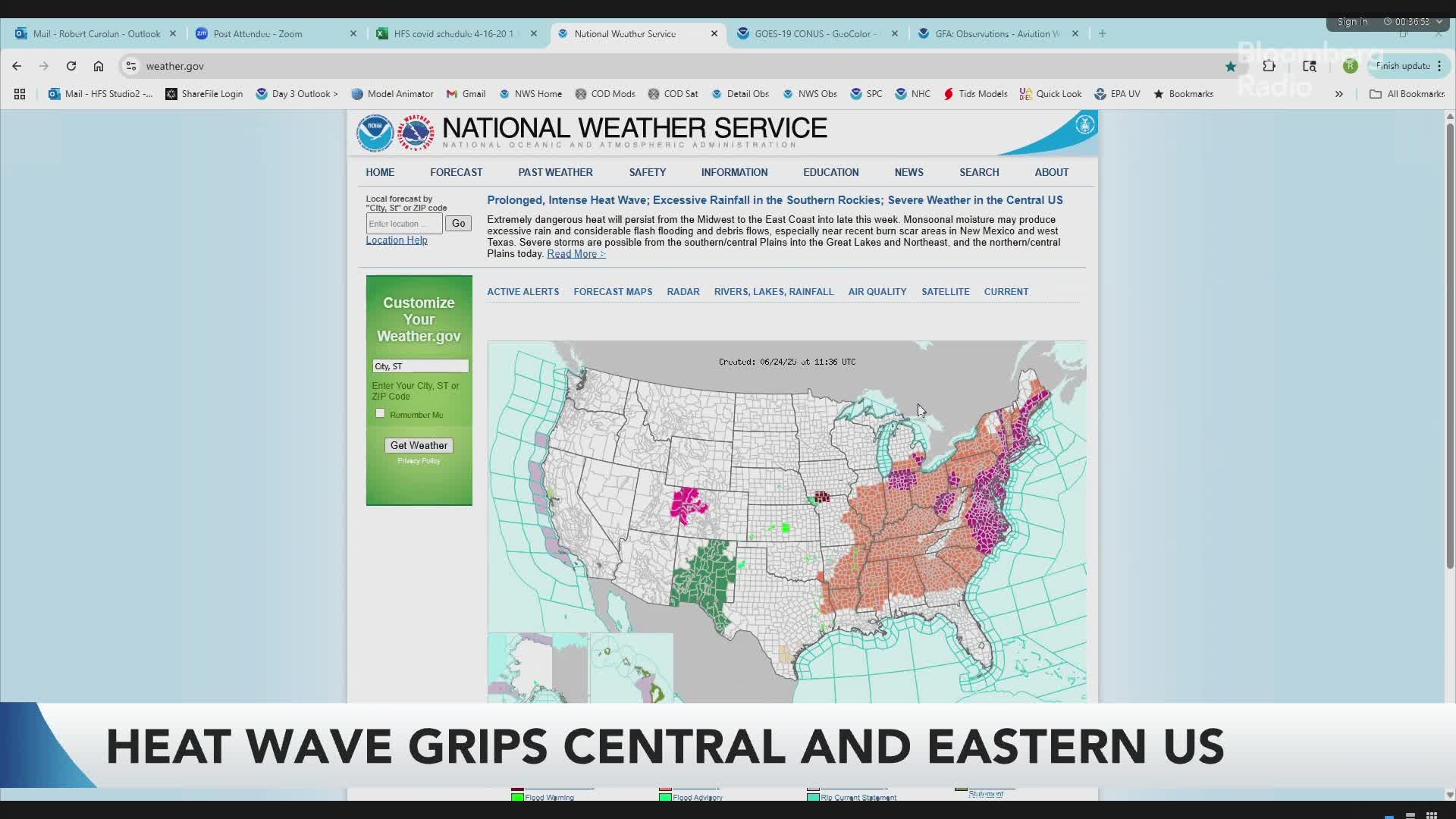
New York City's power grid is currently experiencing stress due to high temperatures, with forecasts indicating continued warm weather. This situation raises concerns regarding potential energy reliability and operational continuity for businesses and residents in the metropolitan area.
New York City's power grid is experiencing significant stress due to high temperatures, with forecasts indicating the heatwave will persist. This situation, viewed with a strongly negative sentiment, poses a material risk to energy reliability and operational continuity for businesses and residents throughout the metropolitan area. The event highlights the vulnerability of critical urban infrastructure to extreme weather, a key theme that has direct implications for regional economic stability. The medium market impact score suggests that while localized, the potential for power disruptions could have broader ripple effects. The stress on the grid could lead to short-term volatility in regional energy prices and underscores a long-term need for investment in infrastructure resilience.
AI-powered research, real-time alerts, and portfolio analytics for institutional investors.
Request DemoOverall Sentiment
strongly negative
Sentiment Score
-0.60
