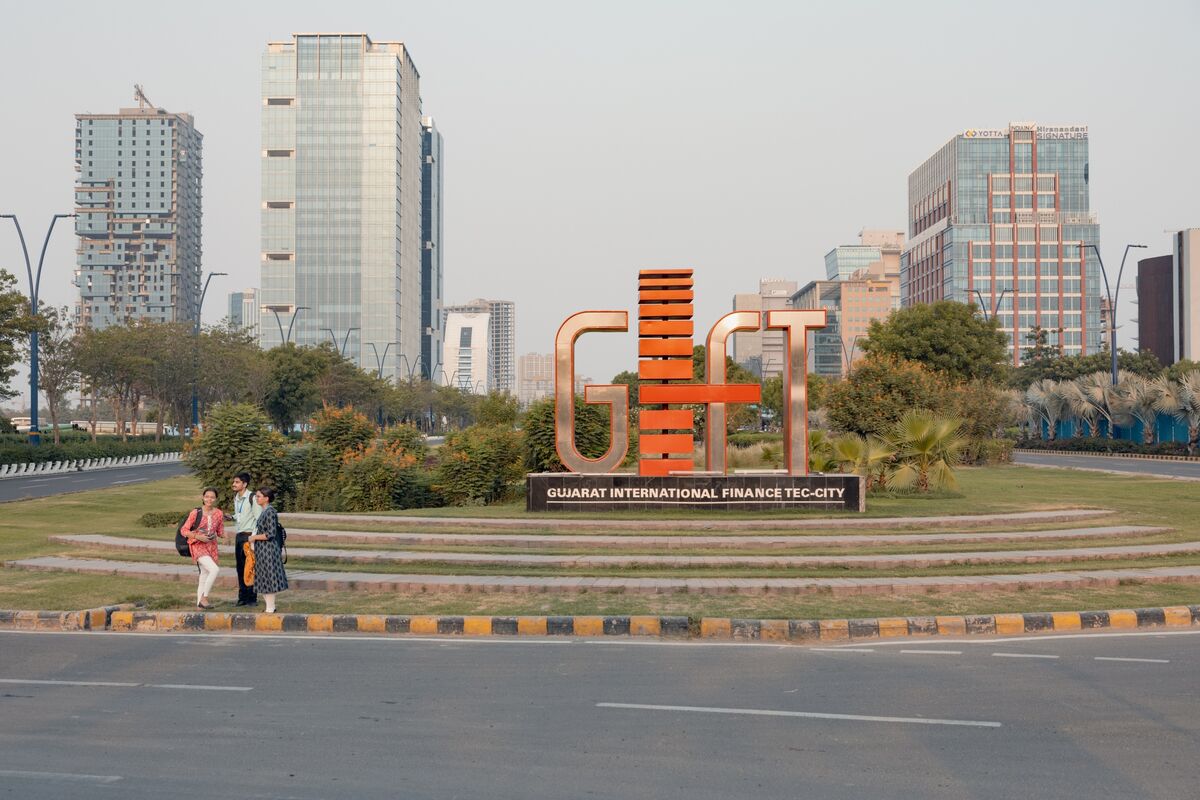
India plans to extend the tax holiday for aircraft-leasing firms domiciled in GIFT City from the current 10 years to 15 years to attract a larger share of the global leasing market now dominated by Ireland. Officials say the additional five-year waiver will be particularly valuable to lessors because they realize the bulk of profit in later years when depreciation charges are minimal, positioning GIFT City as a more competitive aviation finance hub.
Market structure: Extending GIFT City’s aircraft-lessor tax holiday to 15 years directly benefits new entrants and existing lessors willing to domicile profit booking in India and ancillary Indian service providers (legal, finance, ABS underwriting). Ireland/Bermuda-based incumbent lessors (AerCap AER, Air Lease AL) face potential gradual market-share erosion in structuring and tax-driven repo/deal flow, but switching is frictional—meaning material share shifts likely occur over 12–36 months, not days.
Risk assessment: Tail risks include India reversing the concession, adverse OECD/Pillar Two interaction, or India’s thin treaty network creating withholding-tax frictions that blunt benefits; each has >5% probability and would materially hurt relocation bets. Short-term (0–3 months) political/cabinet approvals and treaty negotiations are critical; medium-term (3–18 months) operational setup and signalling by large lessors are the main catalysts; long-term (1–5 years) effects depend on adoption scale and investor tax-planning.
Trade implications: Tactical trades: favor FX/capital inflow instruments (long INR vs EUR/USD) and India equity exposure to financial services and corporate services tied to GIFT City (INDA, HDB, IBN) on confirmed policy moves; be cautious on legacy lessor credit/eq (AER, AL) as lease-rate compression and increased competition could shave 5–15% off EV/earnings multiples over 12–24 months. Use options to asymmetrically hedge: buy puts on AER/AL (6–12m) while owning India financials via ETFs for pair trades.
Contrarian angles: Consensus underestimates treaty-network friction — many global lessors won’t immediately relocate profits without widened treaty coverage, so the market may underprice short-term inertia. Conversely, if a few marquee lessors publicly commit to GIFT subsidiaries, the reaction could be abrupt; mispricings exist in leasing credit and convertible bonds where spread tightening/loosening may outpace equity moves.
AI-powered research, real-time alerts, and portfolio analytics for institutional investors.
Request DemoOverall Sentiment
mildly positive
Sentiment Score
0.30
