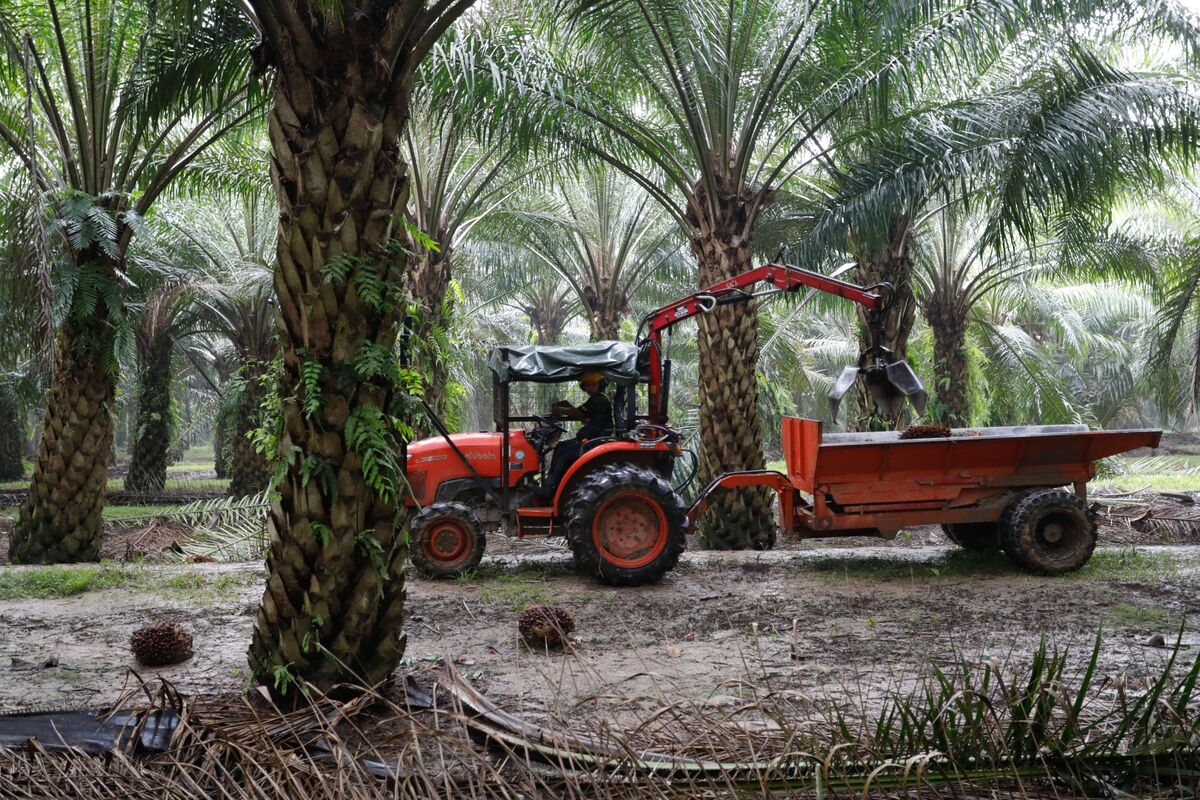
Malaysia's palm oil industry faces increasing labor shortages as plantation work becomes a less desirable option for both foreign and local workers, according to the Malaysian Palm Oil Association. This trend threatens to worsen existing production challenges for the major palm oil grower as workers opt for employment in urban areas instead of the physically demanding plantation sector.
Malaysia's palm oil industry is confronting a significant operational challenge due to a progressively shrinking labor pool, as highlighted by Roslin Azmy Hassan, head of the Malaysian Palm Oil Association. Both foreign workers, who traditionally form the industry's backbone, and local Malaysian workers are increasingly shunning plantation jobs, which are perceived as 'dirty, dangerous, and difficult.' This aversion is leading to a preference for employment in urban areas, positioning plantation work as a 'last choice' career. The persistence of this trend poses a direct threat to Malaysia, a major global palm oil producer, by potentially exacerbating existing production difficulties. The strongly negative sentiment surrounding this development (sentiment score -0.75) and a market impact score of 0.6 underscore the seriousness of the labor deficit for the commodities sector within this key emerging market, potentially affecting supply chains and raw material availability.
AI-powered research, real-time alerts, and portfolio analytics for institutional investors.
Request DemoOverall Sentiment
strongly negative
Sentiment Score
-0.75
