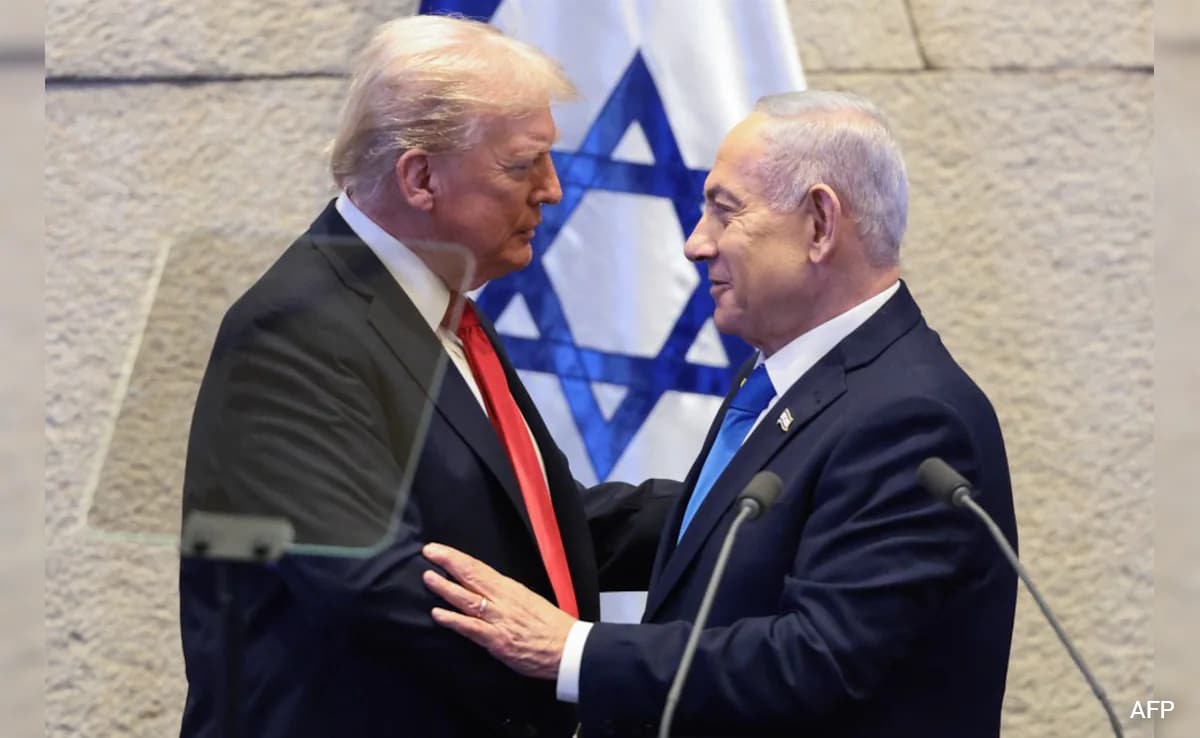
Trump said the US could end military attacks on Iran within 2–3 weeks and does not require a deal from Tehran, while Israeli PM Netanyahu vowed Israel will press on to “crush Iran’s terror regime,” indicating a clear US–Israel policy divergence. The conflict began on Feb 28 with the killing of Iran’s supreme leader, elevating near-term geopolitical risk to oil flows (Strait of Hormuz) and likely increasing volatility in energy and defense sectors. Monitor crude prices, regional shipping/insurance costs and US–Israel coordination; misalignment raises the probability of a protracted conflict and higher risk premia.
A mismatch in operational tempo between a distant principal and a determined regional ally raises the probability of episodic, asymmetric strikes rather than a single, clean campaign — that structure amplifies tail volatility because it increases the frequency of surprise shocks to chokepoints, premiums and localized supply chains. Expect headline-driven volatility spikes in oil and freight rates measured in days-to-weeks, punctuated by multi-week elevated risk premia if strikes target export terminals or critical transit corridors.
Energy markets will likely price a non-linear risk premium: short-lived physical disruptions produce $3–8/bbl uplifts in Brent for days, while sustained harassment of shipping lanes or insurance spikes can add an incremental $2–5/bbl for months by increasing charter and rerouting costs; refiners with feedstock optionality will outperform integrated names in the first 4–12 weeks. Freight and war-risk insurance costs (and consequently tanker time-charter equivalents) can jump 20–60% within 48–72 hours of incidents, compressing refining margins regionally and diverting flows into already tight storage hubs.
Defense procurement and insurance broking are the most direct structural beneficiaries: missile/ISR systems and risk management services see order-acceleration and price-inelastic demand, while regional logistics, airlines with Gulf-exposure, and smaller shipping carriers face asymmetric operational risk and potential credit stress within 1–6 months. Policy-driven reversals (diplomatic ceasefires, rapid allied burden-sharing, or large strategic oil releases) are plausible catalysts that would unwind much of the price and credit premia within weeks, so position sizing and short-duration option structures are preferred for tactical exposure.
AI-powered research, real-time alerts, and portfolio analytics for institutional investors.
Request DemoOverall Sentiment
strongly negative
Sentiment Score
-0.70
