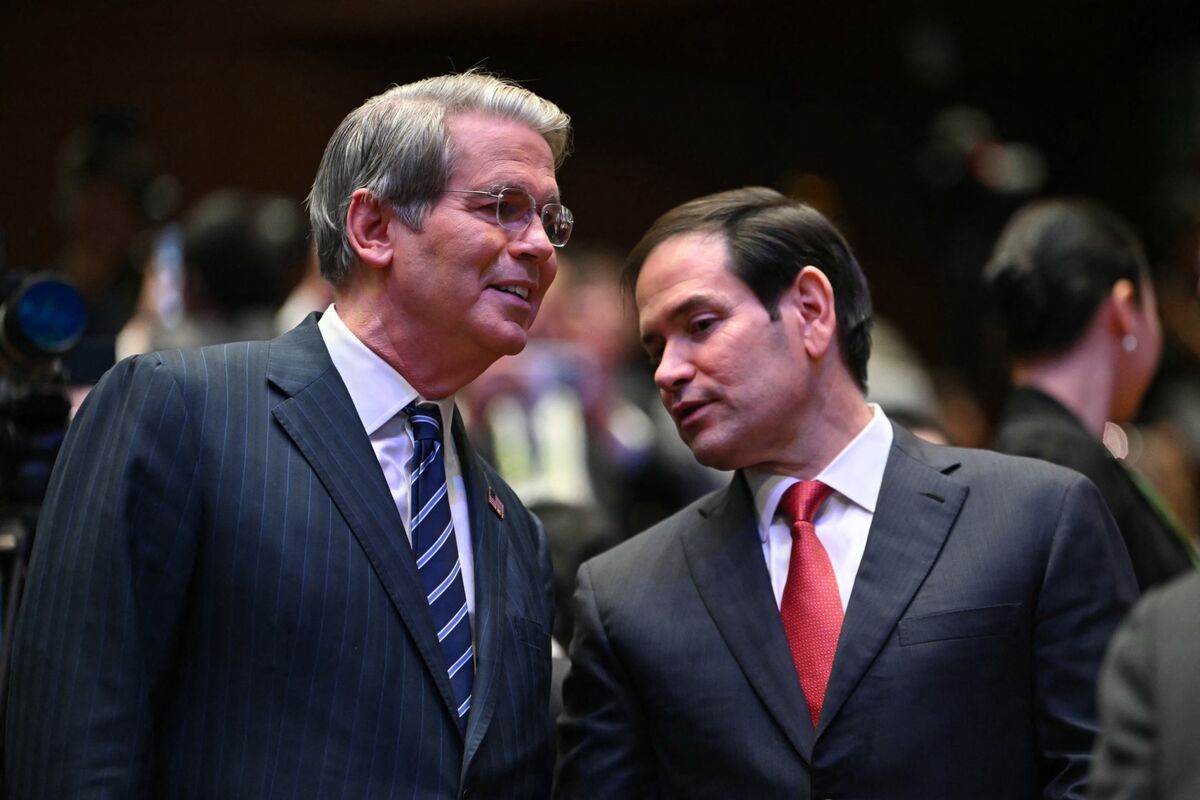
US and Chinese officials discussed the Iran war, upcoming Trump-Xi summit plans, and bilateral frictions, with Beijing emphasizing the need to manage differences and preserve stability. Chinese Foreign Minister Wang Yi said Taiwan remains the biggest risk to US-China ties, underscoring persistent geopolitical tension. The remarks are diplomatically significant but do not indicate an immediate policy shift.
The market implication is less about immediate tariffs or headlines and more about the signaling function: both sides are keeping the diplomatic channel open while preserving maximalist leverage on Taiwan and trade. That combination usually compresses near-term risk premia in broad risk assets, but it increases the odds of episodic volatility around any summit, where expectations get repriced faster than fundamentals. The first-order beneficiary is anything exposed to stable cross-border flows; the second-order winner is firms with inventory and supplier flexibility, because the most likely outcome is not a clean de-escalation but a series of short pauses around bigger structural frictions. The underappreciated risk is that “managed differences” can still translate into tighter controls in semis, industrial tech, and dual-use supply chains after a summit if either side wants to show resolve without blowing up the agenda. That tends to hurt the same set of companies already priced for a soft landing in China demand: suppliers with high PRC revenue, thin margins, and low pricing power. Defense and security-linked names may catch a bid not on immediate conflict risk, but on the higher probability of sustained Indo-Pacific spending as Taiwan remains the central bargaining chip. Time horizon matters: over days, this is a volatility suppression event; over months, it is a policy optionality event. If the leaders’ meeting produces only vague language, the market may fade the headline quickly, but if the tone hardens on Taiwan or export controls, the rerating risk is asymmetric because positioning is still too complacent relative to the tail. The contrarian view is that this is not a binary escalation setup; it is a slow grind toward more industrial policy, more supply-chain duplication, and modestly higher defense budgets, which is bullish for domestic capex enablers and neutral-to-bearish for China-exposed cyclical exporters.
AI-powered research, real-time alerts, and portfolio analytics for institutional investors.
Request DemoOverall Sentiment
mildly negative
Sentiment Score
-0.15
