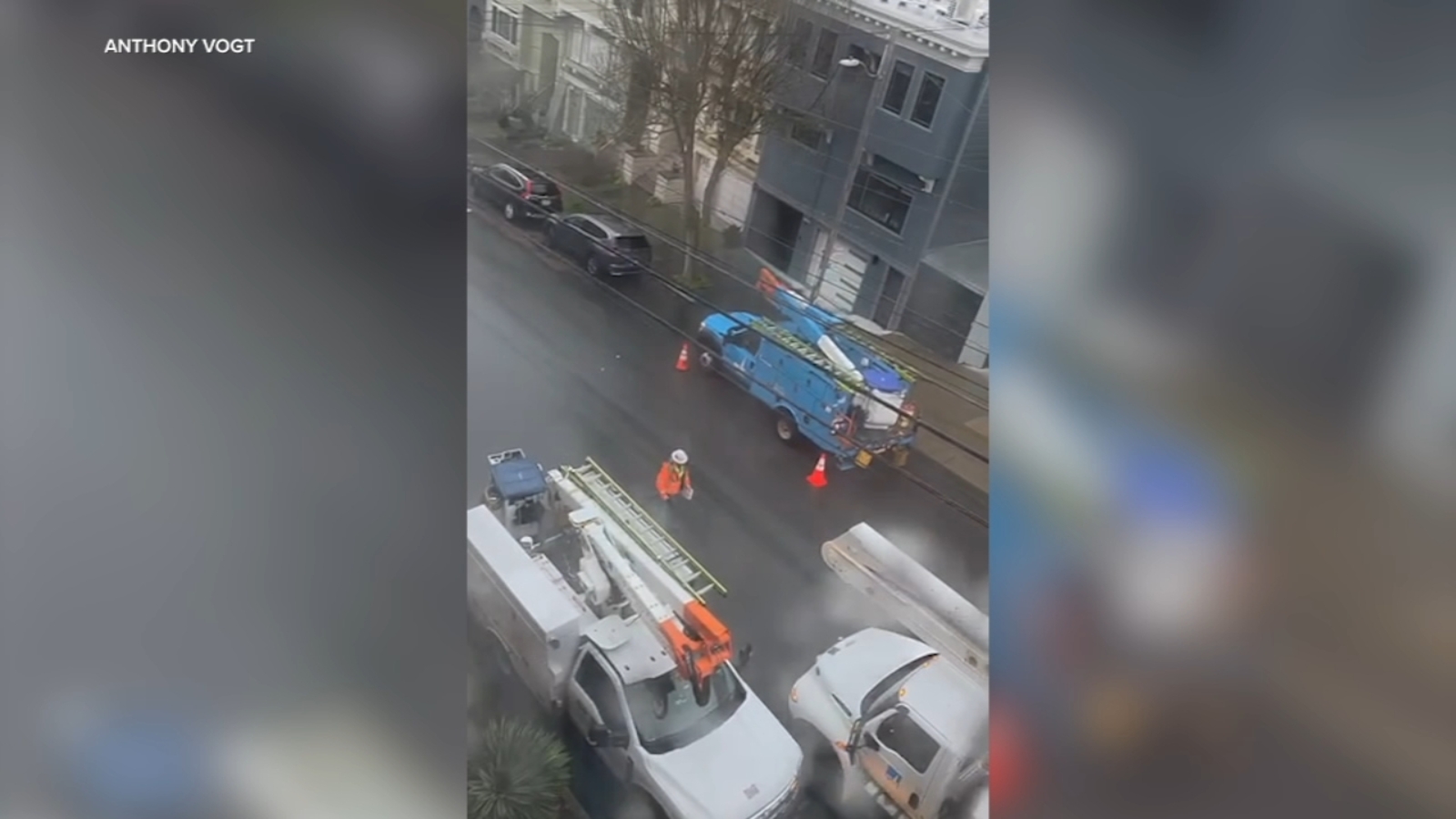
PG&E customers in San Francisco's Richmond District experienced a third major outage in two weeks, knocking out power for roughly 4,000 customers on New Year's Eve for a few hours and disrupting retail and food businesses; one pizza owner estimates at least $20,000 in combined losses from spoiled ingredients and lost sales. The outages, concentrated on busy holiday days, have prompted consumer frustration and talk of class-action suits; PG&E has offered credits ($200 for residents, $2,500 for businesses affected by the Dec. 20 outage) and issued a statement committing to restore reliable service. For investors, the recurring outages highlight reputational, regulatory and potential litigation risk that could imply incremental compensation costs, regulatory scrutiny, and pressure on PG&E’s operational metrics and customer relations.
Market structure: Recurrent San Francisco outages directly damage PG&E’s (PCG) customer goodwill and create winners among distributed‑energy, storage and backup-generator providers (e.g., AES, ENPH, GNRC). Utilities face higher near‑term opex/capex and possible lost load claims, which pressures equity and widens credit spreads; vendors of resiliency tech gain pricing power as commercial customers pay for backup capacity.
Risk assessment: Tail risks include a large class‑action verdict or punitive CPUC ruling that materially reduces PCG equity value (low probability, high impact within 30–180 days). Hidden dependencies: outage causation (equipment failure vs. preventive de‑energization) determines regulatory outcome; weather and wildfire seasons are 6–12 month cyclic amplifiers. Key catalysts: CPUC hearings, class‑action filings, and 30–90 day outage frequency trends.
Trade implications: Trade into short‑dated volatility for PCG (3–6 months) and accumulate multi‑quarter longs in storage/back‑up suppliers; expect asymmetric payoff from options on PCG and GNRC. Sector rotation: reduce passive utility beta (XLU) by 2–5% and reallocate to grid‑resilience names and selective regulated utilities with clear capex recovery mechanisms.
Contrarian view: Consensus focuses on wildfire liability; the market underestimates secular acceleration to distributed resiliency (5–10% annual incremental battery demand in CA if outages persist). Conversely, if CPUC allows full cost recovery within 90 days, regulated utilities could see rapid rerating, so size and hedges must be dynamic.
AI-powered research, real-time alerts, and portfolio analytics for institutional investors.
Request DemoOverall Sentiment
moderately negative
Sentiment Score
-0.45
