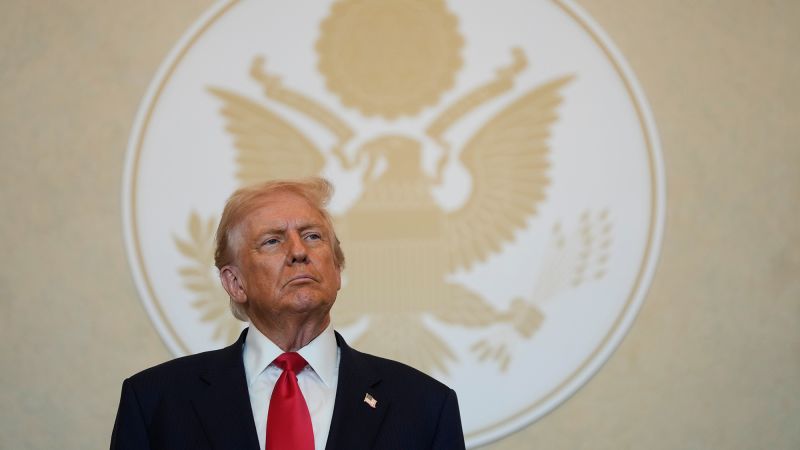
The U.S. Senate passed a resolution, 51-47 with bipartisan support including four Republicans, aimed at terminating President Trump's global tariffs by challenging his use of emergency powers. This vote, alongside two similar resolutions earlier in the week targeting tariffs on Canada and Brazil, represents a symbolic congressional rebuke of the administration's trade policy. Although these measures are not expected to be taken up by the House, they highlight persistent legislative opposition and concerns over the economic impact of tariffs, signaling continued political friction regarding trade policy.
The Senate's recent 51-47 vote to pass a resolution aimed at terminating President Trump's global tariffs, with four Republicans joining Democrats, signals a notable bipartisan congressional pushback against executive trade policy. This action, following similar resolutions earlier in the week targeting tariffs on Canada and Brazil, underscores legislative concerns regarding the administration's use of emergency powers for trade measures.
While these resolutions are largely symbolic, as they are not expected to be taken up by the House and lack a veto-proof majority, the bipartisan opposition highlights growing legislative unease with the economic implications of tariffs. Senator Rand Paul explicitly stated that "tariffs make both building and buying in America more expensive," emphasizing the "economic harms of trade wars."
The neutral sentiment and low market impact score (0.1) suggest that investors currently perceive this development as having minimal immediate effect on actual trade policy or corporate earnings. However, the consistent congressional messaging, particularly from within the President's own party, could influence future trade policy decisions or signal a potential shift in the political landscape regarding protectionist measures.
AI-powered research, real-time alerts, and portfolio analytics for institutional investors.
Overall Sentiment
Neutral
Sentiment Score
0.00
