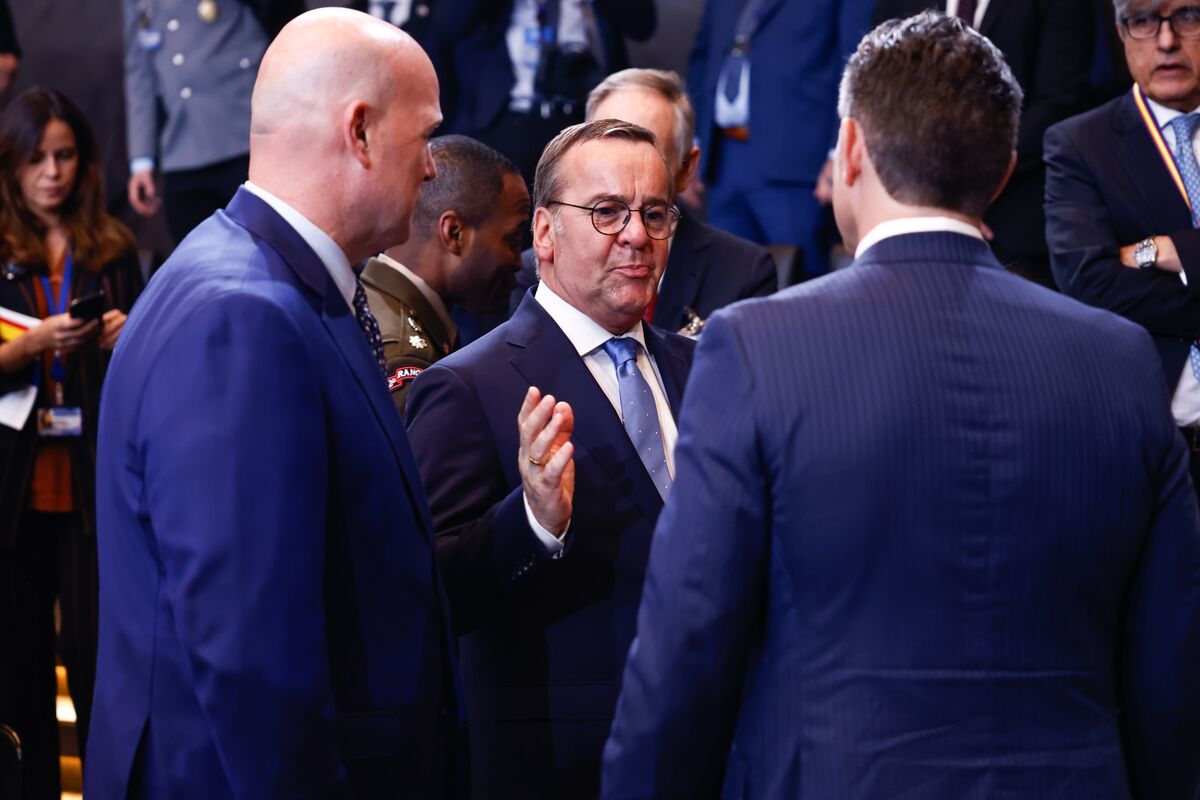
Germany's defense minister announced plans to significantly increase its armed forces by up to 60,000 soldiers, signaling a major commitment to NATO's rearmament efforts amid rising concerns over Russian military aggression; this move positions Germany as a key contributor within NATO, second only to the United States, as member states agree to increase defense spending, with the US pushing for a target of 5% of GDP.
Germany is set to substantially increase its military capabilities by adding as many as 60,000 active soldiers, a move articulated by Defense Minister Boris Pistorius as part of NATO's collective effort to bolster defense in response to Russia's military threat. This commitment positions Germany to assume the second-largest defense burden within the 32-member alliance, underscoring a significant strategic shift as NATO members implement a blueprint for re-armament. The United States, through Defense Secretary Pete Hegseth, continues to advocate for allies to allocate 5% of their GDP to military spending, a target that, if pursued broadly, would represent a massive increase in defense expenditures across the alliance. The general market sentiment is mildly positive with a defensive tone, and a market impact score of 0.55 suggests this development is viewed as a notable and necessary response to heightened geopolitical risks, likely to drive sustained investment in the defense sector and related infrastructure.
AI-powered research, real-time alerts, and portfolio analytics for institutional investors.
Request DemoOverall Sentiment
mildly positive
Sentiment Score
0.40
