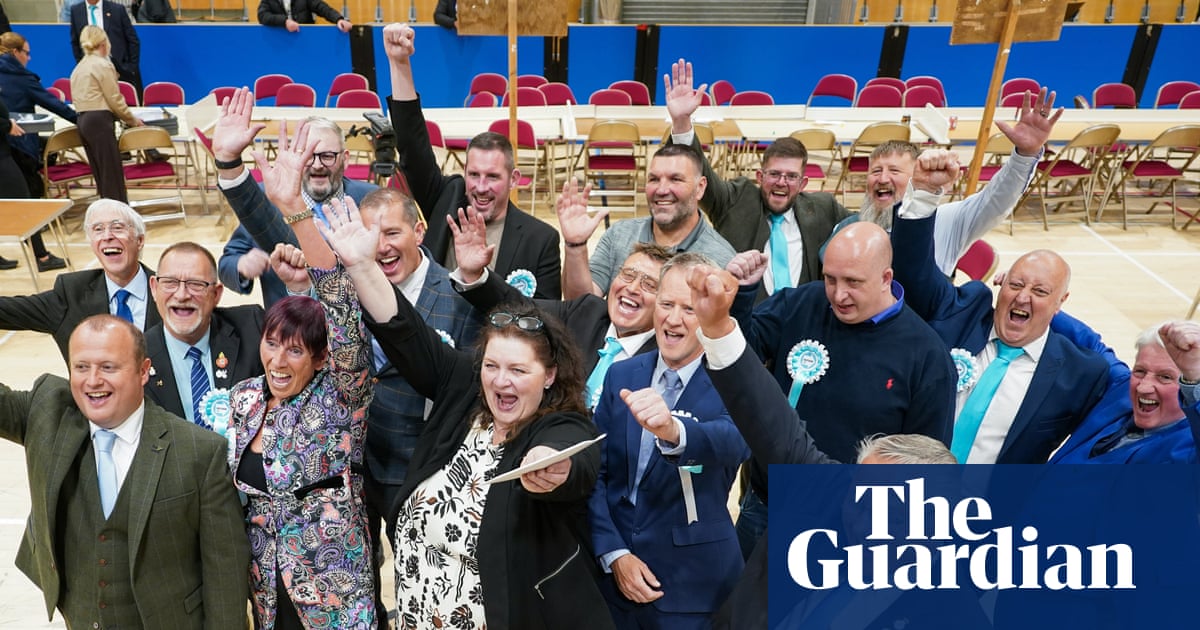
UK local election results are broadly unfavorable for Labour and the Conservatives, with Labour losing council control in places including Hartlepool, Tameside, Redditch and Tamworth, while Reform is the main beneficiary so far. Labour is tracking toward roughly 1,200 seat losses out of 2,500 defended, though that is better than the more pessimistic 1,500+ feared; Reform’s share of seats contested is running about 33% versus 41% last year, suggesting some support may have peaked. The results are politically significant but are more likely to affect party positioning than immediate market pricing.
This is less a clean pro-Reform or anti-Labour signal than a volatility regime change in UK domestic politics. The market implication is not immediate policy change, but a higher probability of fragmented local power and a longer runway for “anti-incumbent” trading, which tends to penalize UK-domestic small caps, regionally exposed financials, and council-sensitive property names first. The second-order effect is that every weak local result raises the odds of more centrist triangulation from Labour and more defensive fiscal rhetoric from the Conservatives, which reduces medium-term clarity on taxes, planning, and public spending.
The bigger underappreciated driver is not the headline winner, but the erosion of the two-party system’s ability to price policy continuity. Reform’s momentum can persist in polling even if actual seat gains plateau, because the party now has a credible protest-and-broker role that can siphon votes without needing to govern. That makes this more relevant for investors as a sentiment shock than as a direct legislative catalyst: the next 6-12 months matter more than the next 48 hours, especially into party conference season and any leadership reshuffles.
The contrarian read is that the market may be overreacting to a local-election map that is still highly path-dependent and distorted by first-past-the-post dynamics. If Reform’s support is near a ceiling, then the real trade is not “buy Reform beta” but “fade certainty” — the highest alpha may come from avoiding names that require stable UK fiscal or planning policy assumptions. If Labour responds by tightening discipline and de-risking its policy platform, the medium-term setup can actually become more investable than the current headlines suggest.
AI-powered research, real-time alerts, and portfolio analytics for institutional investors.
Request DemoOverall Sentiment
mildly negative
Sentiment Score
-0.15
