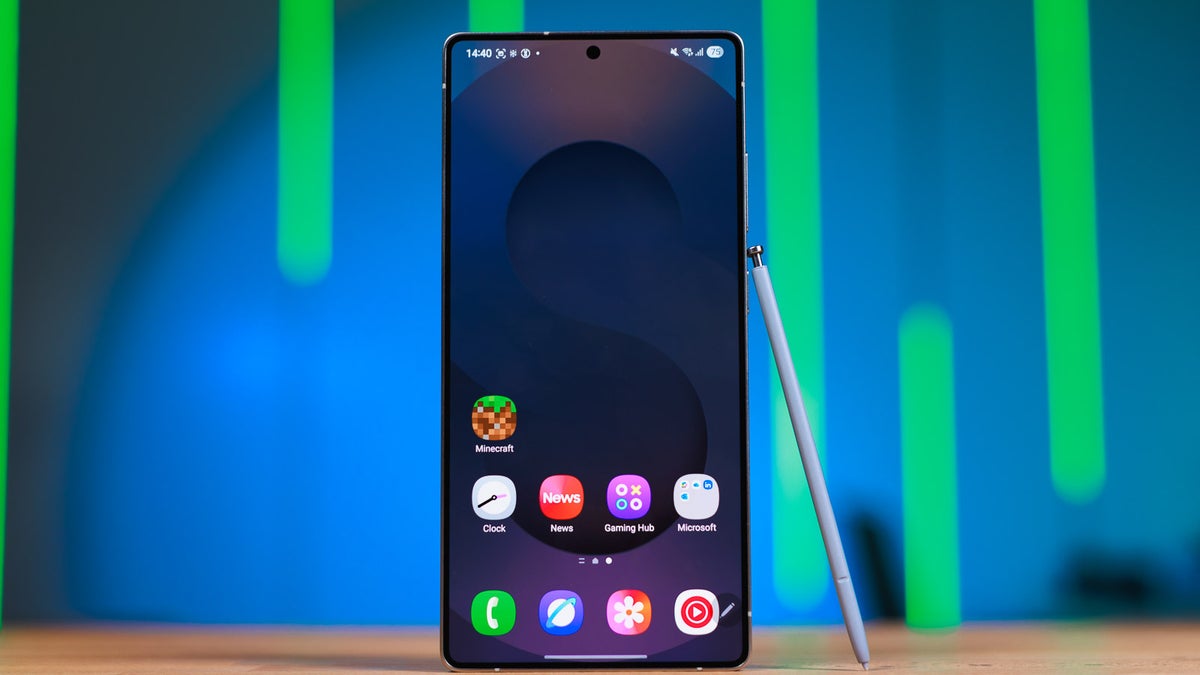
Samsung is reportedly planning ten One UI 8.5 beta releases, with Beta 9 around Apr 9 and Beta 10 around Apr 20, pointing to a possible stable roll-out for the Galaxy S25 series in early May. This is product-timing news with limited direct financial implications—it may affect user upgrade experience and device momentum modestly but is unlikely to move Samsung's share price materially.
A protracted, iterative public beta program signals a risk-averse firmware strategy that shifts costs from crisis response (emergency patches, warranty replacements) to prolonged QA. That tradeoff improves downside protection for device makers and component suppliers but compresses the cadence of new-feature-driven upgrade demand for a 3–6 month window as customers wait for polished releases rather than buying replacements.
Retail and carrier incentive timing becomes a lever: slower software velocity makes carriers either extend promotions on current hardware (pressuring gross margins) or push subsidized upgrades only after a stable release, creating a predictable calendar risk for channel inventory flow. Component suppliers with fixed-cost fabs are neutral-to-positive in the near term (reduces rush re-spins) while smaller accessory and app ecosystems face delayed monetization.
Catalysts to watch are an unexpected large-scale OTA rollback, a carrier-led bundling shift, or public NPS/CSAT deterioration; any of those can compress the stock multiple within weeks. Conversely, disciplined releases that reduce post-launch defects materially lower service/warranty expense over 12–24 months, a benefit often missed by short-term investors and likely to be priced in only after an earnings cycle confirms lower warranty accruals.
AI-powered research, real-time alerts, and portfolio analytics for institutional investors.
Request DemoOverall Sentiment
neutral
Sentiment Score
0.00
