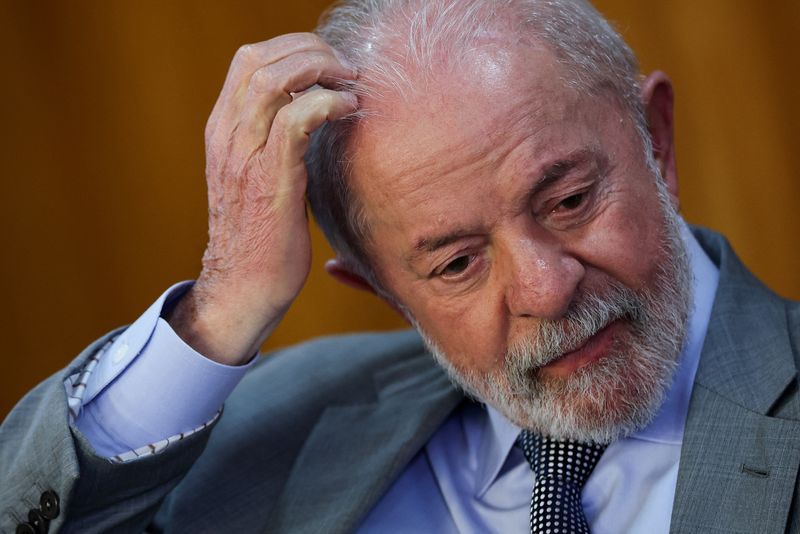
The U.S. is threatening Brazil with 50% tariffs by August 1st, a tactic blending political demands with economic pressure. Brazil's President Lula has leveraged the crisis to bolster domestic support, though a prolonged standoff risks economic damage. Negotiations are complicated by the U.S.'s vague demands and Brazil's dual-front response, potentially forcing costly domestic concessions from Lula or leading to Brazilian retaliation against U.S. pharmaceutical and technology sectors, mirroring the U.S.-China trade war.
The impending August 1st deadline for potential 50% U.S. tariffs on Brazil has created significant geopolitical and economic uncertainty. According to analysis from Arko Advice, the U.S. threat is a multifaceted pressure tactic combining ambiguous political demands with economic objectives, complicating Brazil's response. President Lula has strategically used the confrontation to bolster his domestic political standing by appealing to national sovereignty amidst falling approval ratings, but this carries the risk of damaging the Brazilian economy if the standoff is prolonged. Brazil's negotiation efforts are fragmented, with the government struggling against vague U.S. demands while some private sector firms attempt to secure separate carve-outs, potentially weakening the country's overall bargaining position. A favorable outcome is viewed as capping tariffs at 10-15%, but this would likely require costly domestic concessions from Lula, such as cutting subsidies. Failure to reach an agreement could lead to Brazilian retaliation targeting sensitive U.S. sectors, specifically pharmaceuticals through patent breaks and technology via e-commerce tariffs, suggesting the situation could escalate before any resolution is found.
AI-powered research, real-time alerts, and portfolio analytics for institutional investors.
Overall Sentiment
strongly negative
Sentiment Score
-0.65
Ticker Sentiment
