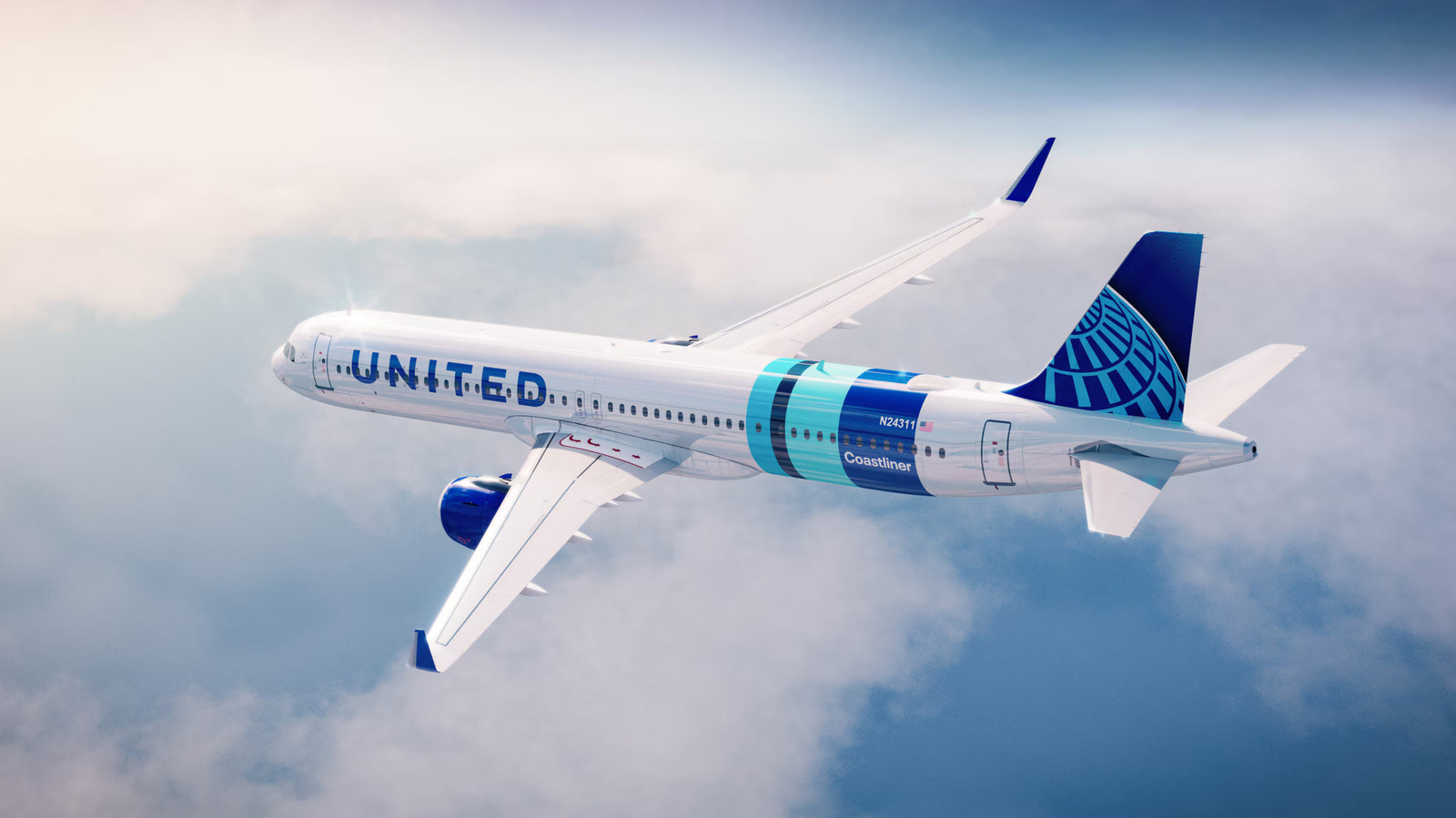
United unveiled the 'Coastliner' ultra-premium product on a proposed 50 Airbus A321neo fleet (first due this summer; 40 in service by 2028) and says it has increased premium seats per North American departure by 40% since 2021. The company also plans 250 new aircraft over the next two years and upgrades including SpaceX Starlink and refreshed interiors, while CEO Scott Kirby asserts sufficient cash reserves despite jet-fuel and geopolitical volatility. Key risks: Middle East conflict and rising fuel costs could pressure network and demand despite recent record 10-week revenue.
Upgauging premium product on high-yield domestic routes changes the unit economics more than capacity math: moving 5-10% of seats into true business-class can lift RASM on those departures by an amount that dwarfs the modest ASM reduction from premium retrofits. Economically this behaves like a yield-enhancing capacity cut — higher revenue per seat with marginally lower breakeven load factors — which compresses the benefit timeline into quarters rather than years if demand holds.
The aircraft procurement and interior-systems supply chain is the hidden lever: long lead times for narrowbody frames and bespoke premium cabins create switching costs and booking friction that advantage carriers that acted earlier. Suppliers of premium galleys, seat change kits and lounge partnerships capture recurring annuity-like revenue; conversely, OEMs that lose share on narrowbodies face durable after-market service and retrofit revenue erosion even if they win widebody work.
Key risks are macro-demand elasticity and fuel shocks. A sustained 10-20% rise in jet fuel markedly increases CASM and forces fare resets that disproportionately hurt premium take rates; similarly, a two-quarter leisure pullback would reveal higher fixed-cost absorption on premium configs. Near-term catalysts to watch: quarterly RASM trends on transcon lanes, narrowbody delivery cadence disclosures, and premium cabin load factors reported in monthly manager commentaries.
For positioning, think asymmetric, idiosyncratic exposure to carrier execution rather than thematic carry trades. The best payoff comes from targeted option structures that monetize probable RASM upside while capping downside from macro shocks; pair trades that express airframe share shifts (operator long vs OEM short) are higher-conviction ways to hedge sector cyclicality.
AI-powered research, real-time alerts, and portfolio analytics for institutional investors.
Request DemoOverall Sentiment
mildly positive
Sentiment Score
0.25
Ticker Sentiment
