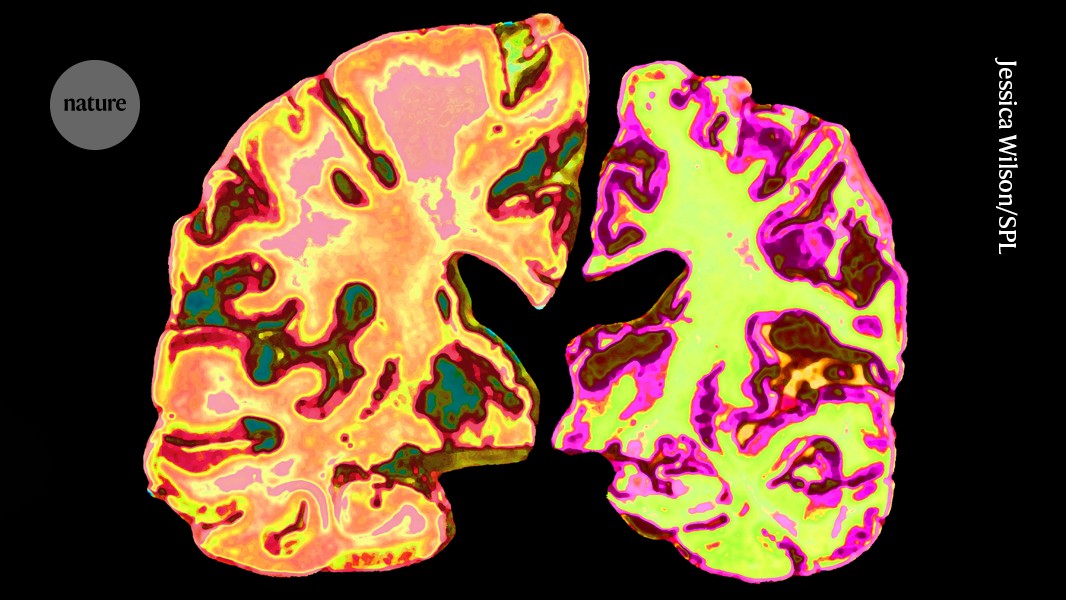
A new study published in Nature suggests that replenishing the brain's natural lithium stores could protect against and even reverse Alzheimer's disease, linking declining brain lithium levels to memory loss and key pathologies. The research found that low doses of lithium orotate, unlike previously tested lithium carbonate, effectively reversed neurological damage and memory loss in mice, potentially explaining mixed results from prior clinical trials. This discovery is significant as it targets all major Alzheimer's pathologies, offering a potentially more comprehensive and restorative therapeutic approach for a disease affecting over 55 million people globally.
A recent study published in Nature presents a potentially groundbreaking approach to Alzheimer's disease, suggesting a causal link between declining brain lithium levels and the disease's progression. The research indicates that lower lithium concentrations are correlated with the development of amyloid plaques and tau tangles in human brain tissue. In mouse models, a lithium-deficient state was shown to initiate a 'vicious cycle' where reduced lithium promotes amyloid formation, which in turn traps more lithium, accelerating pathology. Critically, the study distinguishes between forms of lithium, finding that low-dose lithium orotate—unlike the previously trialed lithium carbonate—bypasses amyloid trapping and successfully reversed brain damage and restored memory in mice. This multi-pathology approach, which targets amyloid, tau, and related gene activity, presents a significant departure from current anti-amyloid therapies that only slow cognitive decline without restoring function. While still in the preclinical stage, these findings offer a novel therapeutic pathway for a disease affecting over 55 million people globally and may explain the mixed results of prior clinical trials.
AI-powered research, real-time alerts, and portfolio analytics for institutional investors.
Request DemoOverall Sentiment
strongly positive
Sentiment Score
0.85
