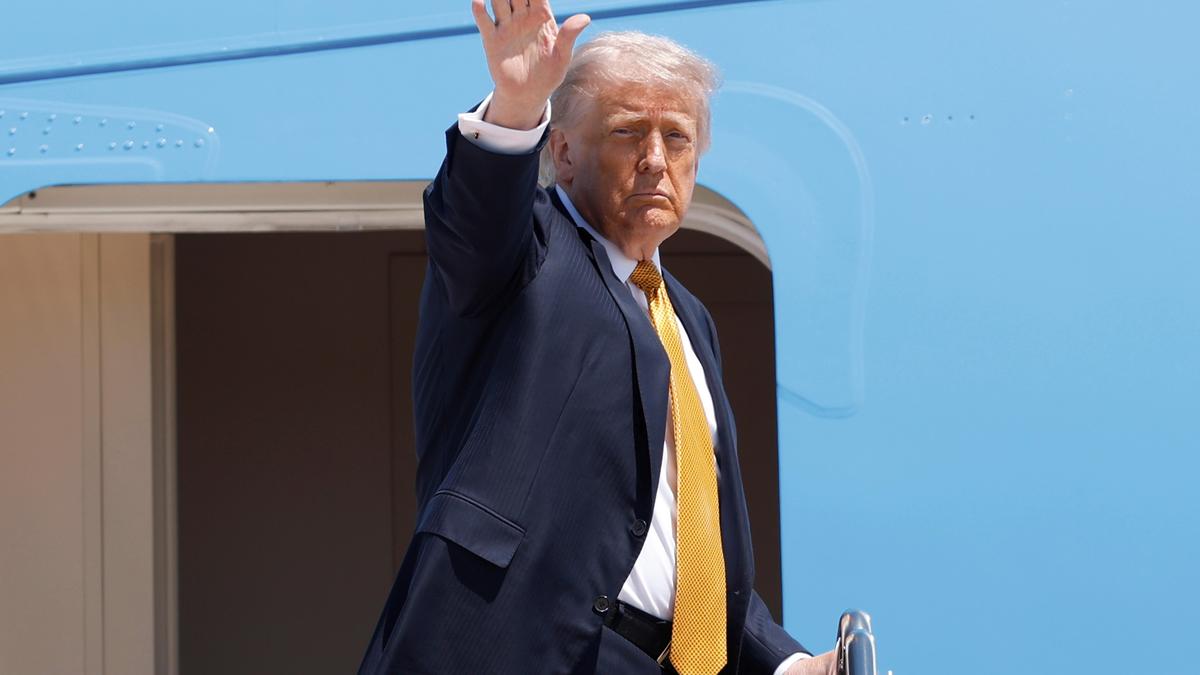
The article centers on escalating Middle East conflict, with U.S. President Trump prioritizing blocking Iran’s nuclear ambitions as the truce in the West Asia war appears near collapse. Australia said it will join a strictly defensive mission to secure shipping through the Strait of Hormuz, underscoring elevated risks to energy and maritime flows. Israel also intensified strikes in south Lebanon, adding to regional instability and potential spillovers for shipping and oil markets.
The market should treat this less as a binary ceasefire headline and more as a volatility regime shift for energy, freight, and defense logistics. Even if overt hostilities de-escalate, the relevant price is the probability of intermittent disruption at chokepoints, not a clean return to pre-conflict routing; that keeps a risk premium embedded in diesel, shipping insurance, and regional airlift costs for weeks to months. The fact that additional allied maritime protection is being framed as defensive suggests governments are preparing for persistence, which usually means the market underestimates how long elevated operating costs can linger after the first headline fades. The second-order beneficiaries are not just producers; they are firms with pricing power over resilience. Defense electronics, surveillance, cybersecurity, satellite comms, and selective naval support contractors can capture budget urgency without needing a sustained shooting war. On the loser side, tanker, container, and bulk carriers face a classic squeeze: higher war-risk premiums and rerouting costs arrive immediately, while charter rates can lag if shippers resist passing through surcharges in the first few weeks. The contrarian point is that the risk premium may actually be underpriced if the conflict stays contained but unresolved. A “managed instability” outcome is historically more disruptive to trade flows than a sharp, short-lived escalation because it forces redundant inventories, longer lead times, and optionality in routing. That creates a slow-burn inflation impulse, especially in energy-intensive supply chains, even if headline crude eventually mean-reverts. For timing, the best setup is near-term relative value rather than outright macro direction: the catalyst window is days to 2-6 weeks, when insurance, routing, and procurement desks reprice operational risk. If diplomatic talks reduce strike probability, the unwind in defensive hedges can be fast; if not, the market likely has to reprice not just oil but the cost of moving physical goods through the Gulf for the rest of the quarter.
AI-powered research, real-time alerts, and portfolio analytics for institutional investors.
Request DemoOverall Sentiment
mildly negative
Sentiment Score
-0.20
