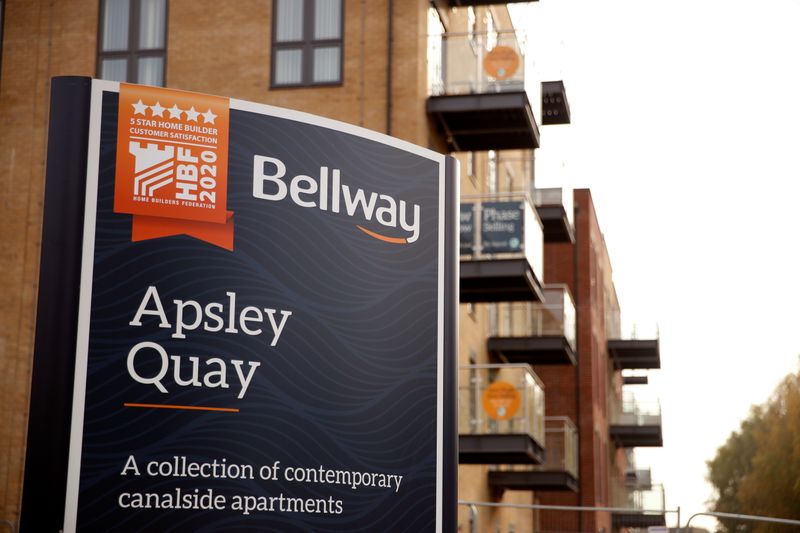
Underlying operating margin fell to 10.5% from 11.0% in H1 (ended Jan 31, 2026) as administrative costs rose 12.2% to £86.3m; revenue rose 6.3% to £1.52bn and underlying operating profit edged up 1.5% to £159m. Adjusted operating cashflow weakened to £314.1m (from £366.1m), net debt moved to £72m from £8m net cash, and adjusted gearing rose to 10.3% from 8.5% after £105.3m of dividends and buybacks. Management raised full-year volume guidance above prior 8,749 homes while holding margin guidance at ~10.5%, lifted the interim dividend to 23p, and added £10.7m to building safety provisions (remaining £473.1m), warning of mortgage-market volatility due to the Middle East conflict.
Bellway’s numbers hide a financing and cashflow story that matters more than the headline margin tick. Management sustained capital returns (dividends + buybacks) into a rising-cost environment, which converted net cash to net debt and materially weakened operating cashflow — a short-term liquidity lever that reduces optionality for margin preservation (price actions, supplier prepayments, land deferrals) over the next 3-12 months.
Mortgage-market volatility and a softer reservation cadence are early-warning demand signals, not just noise; if rates or lender risk premia spike again, private reservations can fall another 10-20% seasonally, forcing price incentives that eat into the ~100bp margin buffer they’re willing to defend. Secondary effects include stress on SME subcontractors and merchants (longer payment cycles, rising working capital needs) and increased draw on contingent remediation provisions if construction pace slows and repair windows lengthen.
Competitively, well-capitalized peers or those with lower remediation provisions gain optionality to buy land or win sales via targeted incentives; conversely, smaller/levered builders are the systemic weak link and potential sellers of land assets over 6-18 months. The market is likely underpricing the duration mismatch between fixed remediation provisions and rising short-run admin/inflationary costs — that gap is the key lever for dispersion among UK builders in the next two quarters.
AI-powered research, real-time alerts, and portfolio analytics for institutional investors.
Overall Sentiment
mildly negative
Sentiment Score
-0.25
Ticker Sentiment
