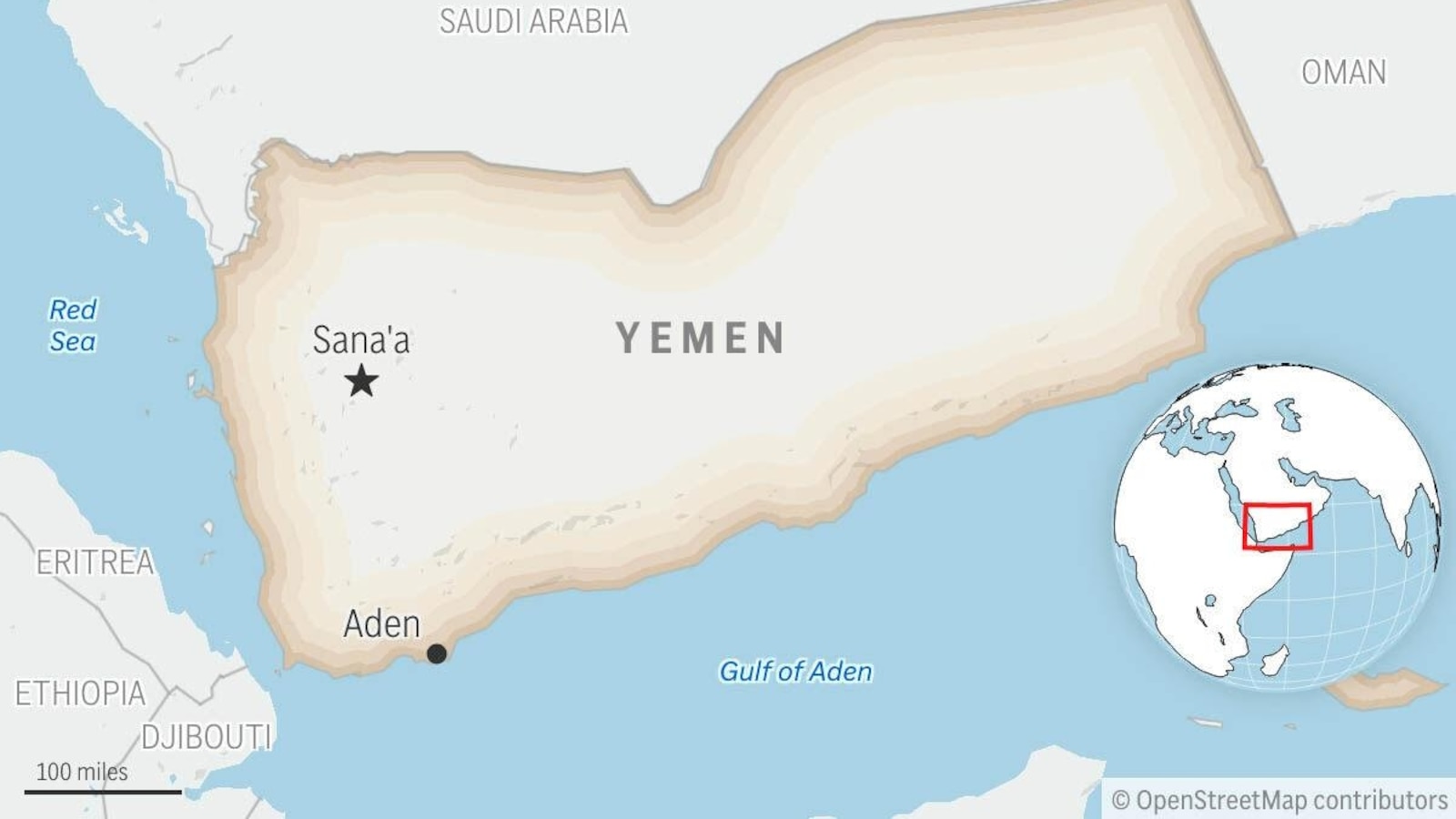
Saudi-backed National Shield Forces retook the southern port city of Mukalla and the Hadramout provincial capital after days of Saudi airstrikes, reclaiming military and security sites from the UAE-backed Southern Transitional Council (STC). The operation follows STC moves into Hadramout and Mahra that included seizure of an oil-rich area, UAE withdrawal of forces under Saudi pressure, and heightened Saudi–UAE tensions; Riyadh has announced a planned conference to reconcile southern factions. The developments raise regional political and security risks with potential implications for Red Sea/Arabian Peninsula stability and energy-related supply sensitivities, though immediate global market impact appears limited.
Market structure: Saudi reassertion in Hadramout favors Riyadh-aligned security contractors, state oil recovery efforts and Saudi-centric capital flows while imposing short-term disruption risk to southern oil/logistics nodes. Expect a modest near-term risk premium on MENA energy (Brent +3–7% possible within 2–8 weeks if shipping/exports are disrupted) and tighter credit spreads for Saudi assets relative to UAE until political lines clarify.
Risk assessment: Tail risks include an expanded Saudi–UAE rift or Houthi retaliation that closes Bab el-Mandeb (low prob, high impact) which could add $5–15/bbl and sharply widen regional CDS in weeks–months. Hidden dependencies: UAE pivoting to alternative suppliers or weapons channels could shift OPEC+ dynamics; catalysts are the Riyadh conference (30–45 days) and any public UAE response or Houthi escalation within 0–90 days.
Trade implications: Near-term tactical long energy exposure (call spreads) and long Saudi equity (KSA) if consolidation persists, offset by defensive buys in defense primes (LMT/NOC) and gold (GLD) as tail hedges. Reduce concentration in UAE assets and EM credit exposure until clear de-escalation (use 3–6 month hedges); volatility in FX (USD strength) and EM bonds should spike on negative headlines.
Contrarian angle: Market consensus will treat this as uniformly bullish for oil; instead the medium-term outcome may be stabilization of southern output under Riyadh, capping upside — historical parallel Libya 2011: big short-term oil spikes but limited lasting price rise. Threshold-based approach (act if Brent moves >$3–5 or HRA insurance premiums double) captures real regime change while avoiding headline noise.
AI-powered research, real-time alerts, and portfolio analytics for institutional investors.
Request DemoOverall Sentiment
moderately negative
Sentiment Score
-0.35
