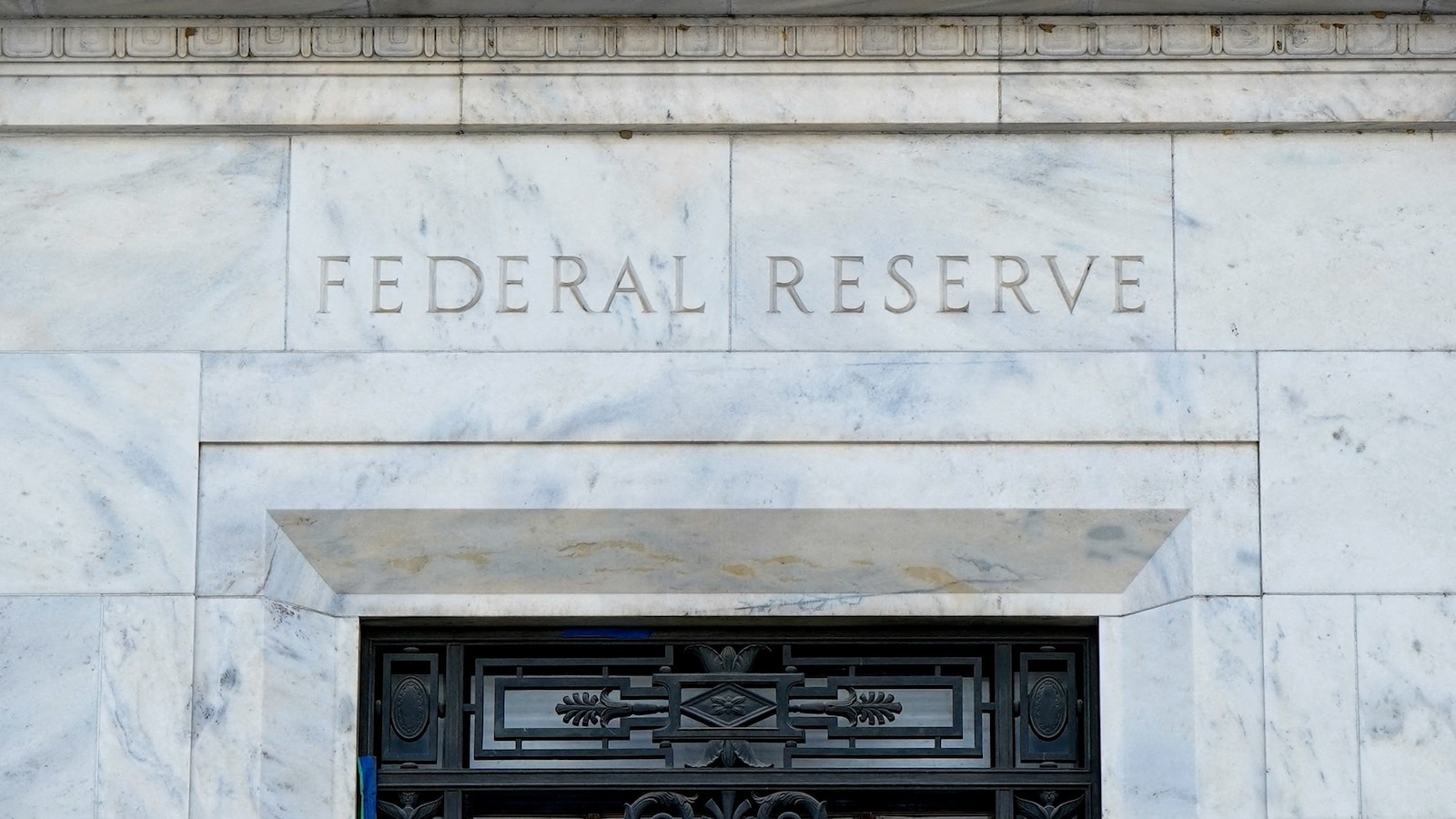
Federal Reserve officials are publicly divided over whether to cut interest rates next month as inflation has risen roughly one percentage point above the 2% target while hiring has slowed; September payrolls were mixed and the unemployment rate rose to 4.4%. Market-implied odds of a 25bp cut have surged to about 85% per the CME FedWatch Tool after comments from New York Fed President John Williams and San Francisco Fed President Mary Daly. A quarter-point cut would lower the Fed funds benchmark to roughly 3.50–3.75%, easing mortgage, credit card and auto loan costs but reducing savers’ yields and risking higher inflation — creating a tradeoff that continues to split policymakers.
Market structure: A 25bp cut to 3.50–3.75% structurally favors rate-sensitive borrowers and duration assets: homebuilders (LEN, DHI), mortgage REITs (NLY, AGNC) and REITs (VNQ) should see demand/rates tailwinds; banks (KRE, regional banks) and money-market savers lose via NIM compression and deposit outflows. Lower front-end rates will likely compress floating-rate loan spreads and boost refinancing activity; mortgage origination volumes should rise within 1–3 months, shifting pricing power toward borrowers and non-bank originators.
Risk assessment: Tail risks include a CPI/PCE upside surprise forcing a policy U-turn (low probability, high impact) or a larger-than-expected labor softening triggering stagflation dynamics; either can move yields 50–100bp quickly. Immediate (days) risk = futures and vol spikes around payrolls/Fed comments; short-term (weeks/months) = 2s10s curve moves (expect 2yr down 25–40bp, 10yr down 10–20bp if cut); long-term depends on inflation stickiness and fiscal issuance.
Trade implications: Prefer front-end Treasury duration (1–5yr ETFs) and IG credit (LQD) + real assets (VNQ, LEN) over regional banks (KRE) and money-market proxies. Use 1–3 month option structures to express asymmetric views: buy put spreads on KRE, call spreads on VNQ/LEN and 2–5yr Treasury futures/options for rate exposure; size 1–3% per idea and stagger entries over 2 weeks.
Contrarian angles: Markets pricing ~85% cut may be overdone given sticky inflation — a failed cut rally could reverse violently; bank stress may be overstated and already priced into KRE. Historical parallels (late‑cycle cuts in 1995/2019) show initial risk‑asset rallies often followed by renewed volatility if macro data reasserts; watch PCE and Treasury issuance as primary reversal catalysts in 30–90 days.
AI-powered research, real-time alerts, and portfolio analytics for institutional investors.
Request DemoOverall Sentiment
mixed
Sentiment Score
0.00
