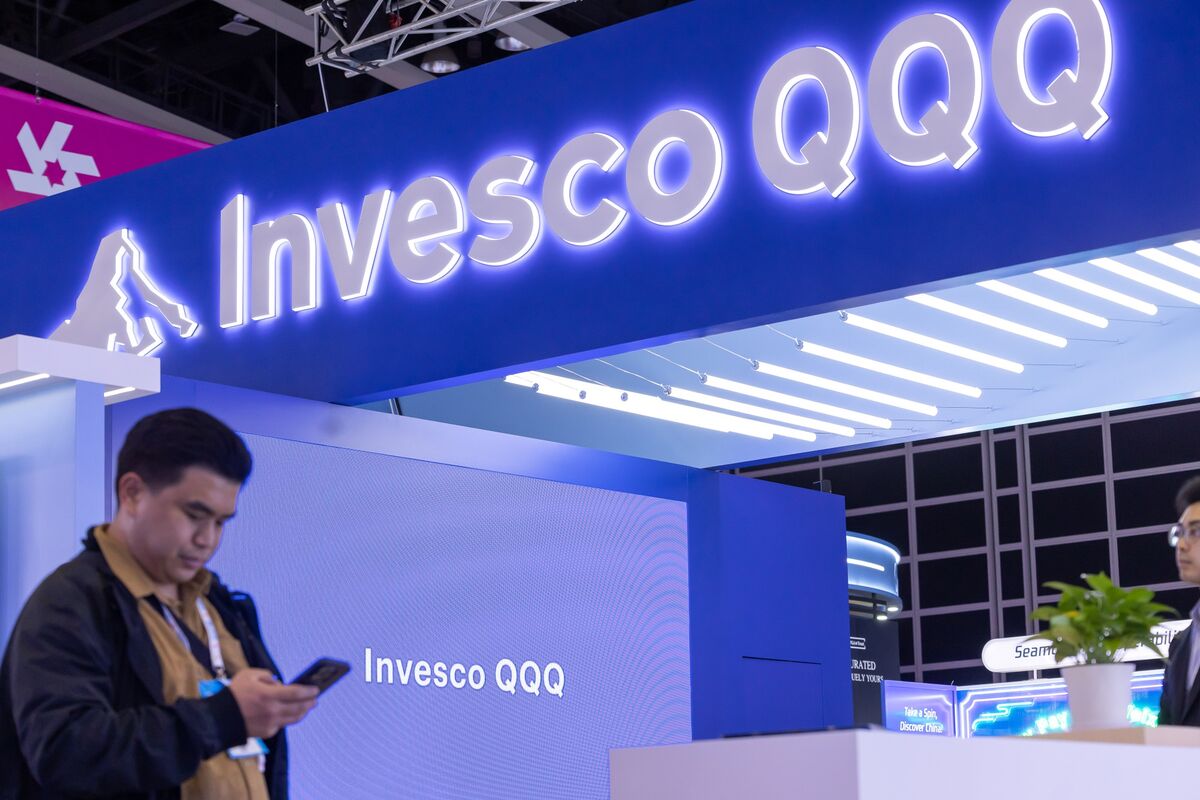
Invesco has received votes from roughly 50% of QQQ shareholders in favor of converting the $407 billion Invesco QQQ Trust Series 1 from a unit investment trust into an open-ended ETF, narrowly below the 51% approval threshold with a Friday 9 a.m. CT deadline for counted votes per an SEC filing. The outcome will determine whether the Nasdaq-tracking vehicle gains the structural flexibility of an open-ended ETF, a change that could influence index-product flows and investor positioning if the measure ultimately fails or passes.
Market structure: The near-miss (≈50% votes in favor vs the 51% threshold) leaves a $407bn QQQ fund trapped in UIT mechanics that limit in‑kind creation/redemption and securities‑lending flexibility. Winners from a conversion would have been APs, market‑makers and investors via tighter spreads and better tax efficiency; losers from the failure are IVZ (foregone fee/sponsorship upside) and any competing Nasdaq‑tracking ETFs that would have faced cheaper, more liquid QQQ competition.
Risk assessment: Immediate (days) risk is elevated idiosyncratic volatility in IVZ and QQQ hedges; short‑term (weeks/months) risk is a shareholder re‑campaign or litigation that could flip sentiment; long‑term (quarters) the conversion outcome materially affects recurring revenue streams and EPS sensitivity (movement of single‑digit percentage points plausible). Tail risks include regulatory scrutiny of ETF structures or a contested proxy fight; hidden dependencies include AP behavior, securities‑lending revenue flows and index/licensing terms with NDAQ.
Trade implications: Favor tactical short IVZ exposure vs modest long NDAQ exposure: IVZ is the levered play on conversion disappointment; NDAQ benefits from higher trading/exchange fees over 6–12 months. Use option structures to limit capital: 2–3% portfolio-sized 3‑month IVZ put spreads (10%/3% strikes) and a paired 1–1.5% long NDAQ equity position or Jan (6–12m) call spread to capture structural upside.
Contrarian angle: The market may underprice the probability of a successful re‑vote — the 1% margin implies a >50% chance of another attempt within 6–12 months, creating convexity for IVZ upside. Consider a small, inexpensive long‑dated IVZ call spread (12–18 months) as a cheap optionality against a governance win; downside is activist-driven structural changes that compress margins faster than anticipated.
AI-powered research, real-time alerts, and portfolio analytics for institutional investors.
Request DemoOverall Sentiment
mildly negative
Sentiment Score
-0.25
Ticker Sentiment
