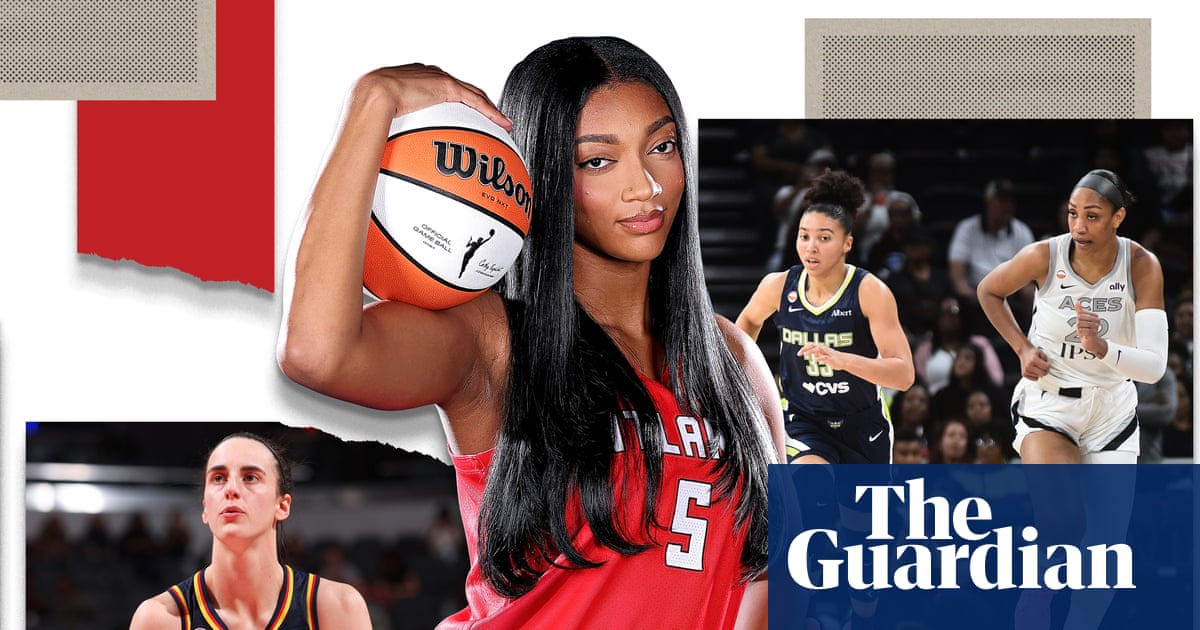
The article is broadly upbeat on the WNBA’s outlook, led by the historic CBA deal that raises the salary cap 364% and quadruples minimum salaries. It highlights optimism around expansion teams like the Toronto Tempo and Golden State Valkyries, while repeatedly favoring the Las Vegas Aces to repeat as champions. Most of the content is commentary and season predictions rather than market-moving news.
The cleanest read-through is not on individual franchises but on the league’s new labor regime as a monetization accelerator. A sharply higher wage floor tends to widen the economic moat between well-run operators and cash-constrained teams: better coaching, deeper benches, and less roster churn should compress variance and make on-court quality more durable, which is favorable for broad-based engagement, but it also raises fixed costs faster than near-term media revenue can scale. That means the first-order beneficiaries are the premium brands with pricing power and strong national relevance, while the hidden losers are middling teams that now have to spend to remain competitive without a commensurate lift in ticket demand or local sponsorship.
The second-order effect is that expansion is no longer just a growth story; it is a distribution story. New entrants can dilute talent concentration, but if they are competent out of the gate they also create additional nationally relevant inventory and more playoff-path uncertainty, which typically lifts league-wide attention. Over a 1-2 season horizon, the bigger catalyst is whether the CBA translates into a broader middle class of recognizable players who can sustain usage, merchandise, and social reach even if the title race remains dominated by a small number of superteams.
From a competitive-dynamics standpoint, the market may be overconfident that dynasty-level teams automatically benefit from labor inflation. Deep rosters help when payroll caps rise, but they also invite sharper cap allocation mistakes and increase downside if one star declines or misses time. The contrarian angle is that parity inflation often strengthens the entertainment product more than it strengthens the incumbent champion: more credible challengers, more rookie minutes, and more coach-driven differentiation can reduce the probability of repeat outcomes, which is bad for dynasty narratives but good for league monetization.
The biggest near-term risk is that higher player compensation outpaces sponsorship, attendance, and broadcast monetization before the new fans are fully converted, creating a margin squeeze for owners and potentially a second wave of cost discipline in 12-24 months. If early-season ratings or attendance fail to validate the excitement, the market could quickly re-rate expansion and smaller-market franchises as expensive growth stories rather than durable assets.
AI-powered research, real-time alerts, and portfolio analytics for institutional investors.
Request DemoOverall Sentiment
mildly positive
Sentiment Score
0.35
