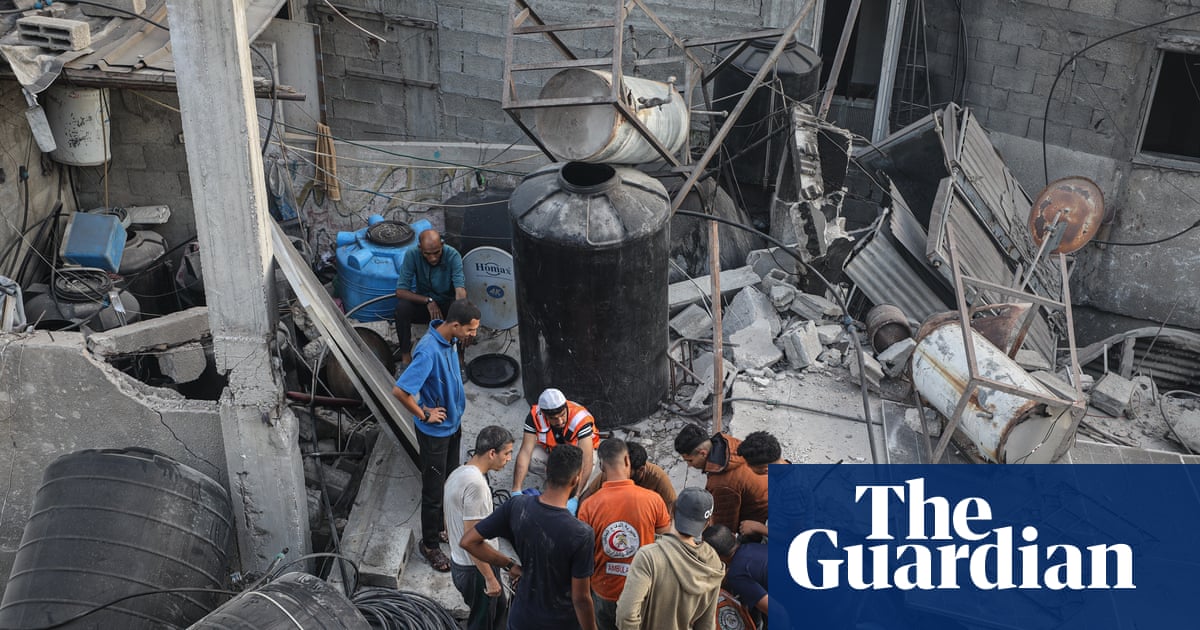
Recent Israeli airstrikes in Gaza, resulting in 60 Palestinian deaths, including 22 children, critically challenged the US-brokered ceasefire, exposing its extreme fragility. Triggered by a firefight and disputes over hostage remains, the strikes led to calls for renewed conflict from Israeli hardliners, despite the IDF later reinstating the truce. This escalation underscores heightened geopolitical instability in the region, posing ongoing risks to market sentiment and potentially impacting global energy prices.
Recent Israeli airstrikes in Gaza, which resulted in at least 60 Palestinian deaths, including 22 children, represent a significant escalation and the deadliest day since the US-brokered ceasefire began. This event critically challenges the truce's viability, following previous accusations by Gaza's media office of 80 Israeli violations and 97 Palestinian fatalities prior to these latest strikes. The strikes were ordered by Prime Minister Netanyahu after a firefight and amid disputes over the handling of hostage remains, specifically Hamas turning over partial remains of a hostage recovered two years prior.
The incident immediately intensified political pressure, with far-right Israeli figures advocating for a return to full-scale conflict, while Hamas responded by delaying a scheduled handover of another hostage's remains. Despite US President Trump's assertion that "nothing" would jeopardize the ceasefire, his subsequent comment that Israel "should hit back" if soldiers are killed underscores the volatile nature of the situation. The IDF later stated it had reinstated the ceasefire, but accused Hamas of attempting to stage a false discovery of bodies, further complicating trust.
This renewed violence highlights the extreme fragility of the ceasefire, which from its inception has been marred by ongoing skirmishes and deep-seated disagreements. Key conditions, such as Hamas returning all Israeli hostage remains and Israel's central objective of Hamas disarmament, remain contentious. Hamas's chief negotiator linked disarmament to the end of occupation, a stance that perpetuates the conflict's underlying causes.
The strongly negative sentiment and significant market impact score associated with this geopolitical event suggest elevated regional instability. This persistent tension poses ongoing risks to broader market sentiment and carries the potential to influence global energy prices, given the region's strategic importance.
AI-powered research, real-time alerts, and portfolio analytics for institutional investors.
Request DemoOverall Sentiment
strongly negative
Sentiment Score
-0.80
