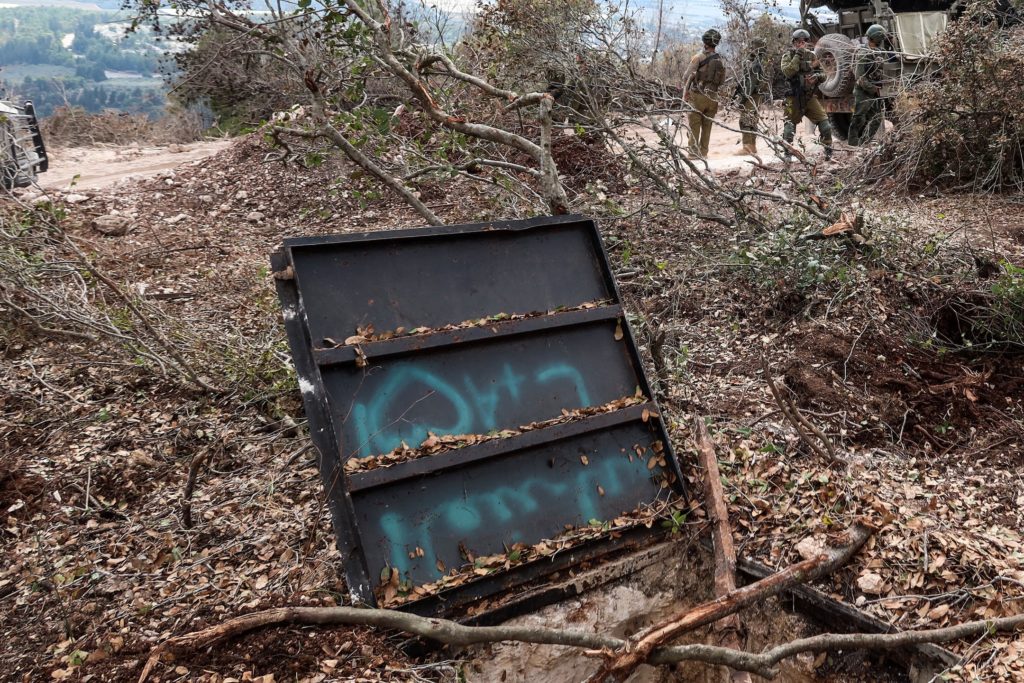
The Lebanese army, under U.S. and Israeli pressure, has swept roughly 124,000 acres south of the Litani River, seizing more than 230,000 weapons across roughly 460 Hezbollah facilities and claims 90–95% completion of the clearance operation that began on Sept. 5; the army faces a deadline to finish the first of five disarmament phases by month-end. The operation, which includes demolition of captured launchers and handling of IEDs and cluster munitions, signals a material shift in local force posture but raises near-term escalation risk between Israel, Hezbollah and Lebanese domestic constituencies—an outcome that could lift regional risk premia, affect investor appetite for Lebanon and nearby emerging markets, and create upward pressure on energy-risk pricing if tensions spread.
Market structure: Near-term winners are defense primes (Lockheed LMT, Raytheon/RTX, Northrop NOC, Elbit ESLT) and oil producers (XOM, CVX) via a risk-premium bid; losers are Lebanon-focused sovereign/municipal credit and regional tourism/airlines (IAG, AAL) as stability is uncertain. State seizure of weapons reduces Hezbollah's asymmetric strike capacity over quarters, compressing long-term regional risk premia by an estimated 3–8% on oil and EM sovereign spreads if disarmament completes. Cross-asset mechanics: expect immediate flight-to-safety (USTs rally, USD/JPY down-pressure on risk-off reversals), EM credit spreads +50–150bp in spikes, gold +3–6% in acute phases and oil volatility +15–25% intramonth.
Risk assessment: Tail risks include a full Lebanon–Israel escalation (>15% near-term probability) or Iranian retaliation (≈10%) causing oil shocks >$10/barrel and global risk-off; opposite tail is a stable disarmament path reducing risk premia. Timing: days = volatility spikes and safe-haven flows; weeks–months = reprice of defense suppliers and energy; quarters = structural shift if Lebanese state consolidates control and Western aid flows. Hidden dependency: outcomes hinge on U.S./Israel diplomatic pressure and reconstruction funding — absent funding, political vacuum could rearm groups within 6–18 months.
Trade implications: Direct: establish 2–4% tactical longs in LMT and RTX for 3–12 months, and a 1–2% tactical long in ESLT (ADR) for asymmetric upside; buy a 3-month Brent call spread sized for 1% portfolio risk (e.g., $5/$15 OTM). Pairs/options: pair long LMT vs short global airline ETF (JETS) 1–2% to capture defense/airline divergence; consider 3–6 month LMT 10–15% OTM calls instead of spot for leverage. Sector rotation: reduce EM sovereign/banking exposure by 20–40% over 1–3 months; increase energy/defense allocation by 3–6%.
Contrarian angles: Consensus may overestimate persistent escalation — if the Lebanese army completes disarmament (deadline outcomes in next 2–8 weeks), risk premia could collapse and oil volatility mean-revert by >30%, creating an opportunity to short post-spike Brent volatility via selling 1–2 week straddles after IV normalizes. Also, a successful state consolidation would reopen reconstruction flows (6–18 months) — selectively accumulate regional construction/materials plays and EM credit long only after clear Western aid commitments (>USD 500m) are announced.
AI-powered research, real-time alerts, and portfolio analytics for institutional investors.
Request DemoOverall Sentiment
moderately negative
Sentiment Score
-0.35
