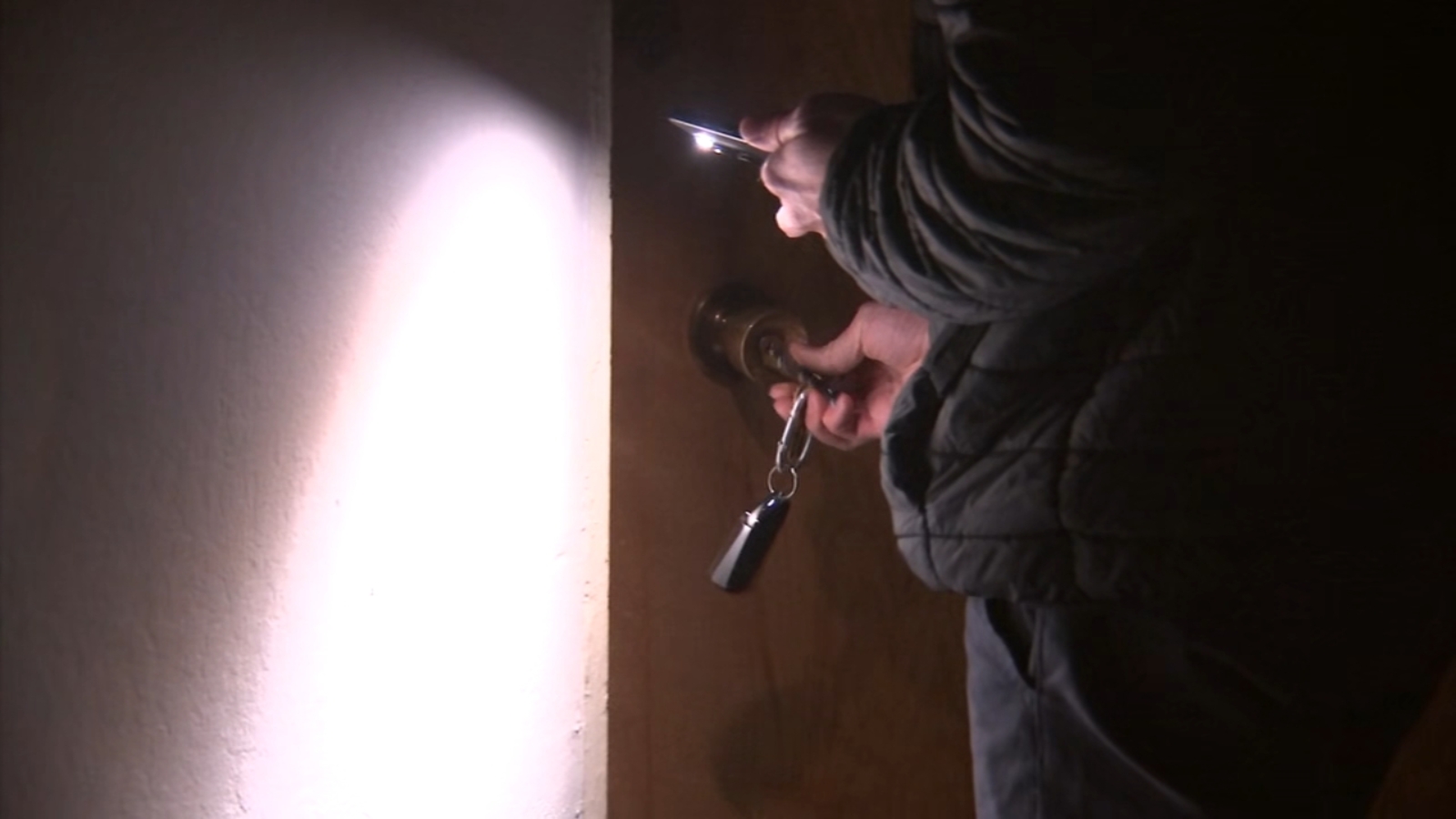
A catastrophic fire at a San Francisco substation caused a large PG&E power outage affecting about 11,600 customers (as of Monday morning), primarily on the city’s west side including Golden Gate Park and the Presidio; service is expected to be restored by 2 p.m. Monday. More than 1,300 residents sought aid at a relief center, PG&E is conducting door-to-door wellness checks with 211 Providers Network, and local authorities — including Mayor Daniel Lurie — flagged the rarity of the incident and raised questions as an investigation continues, implying potential operational and regulatory scrutiny for the utility.
Market structure: Immediate losers are PG&E (PCG) equity and credit given outage attribution to a substation fire; short-term winners include grid hardware and generator suppliers (Eaton ETN, GE), peaker operators (NRG) and battery/storage OEMs (Enphase ENPH, Tesla TSLA) that sell resilience products. Expect localized CAISO spot price spikes (intraday +50-300% possible on outage days) and a modest lift in natural gas burn for peakers (+1-3% regional demand). Insurance/claims exposure is limited locally but watch wider wildfire precedent for sector sentiment.
Risk assessment: Tail risks include a CPUC enforcement action or criminal probe triggering fines/bond covenant breaches for PCG (low-probability, high-impact within 30-90 days). Immediate horizon: outages restored in hours–days; short-term (weeks–6 months): investigation, potential rate-case/ capex mandates; long-term (1–5 years): accelerated storage uptake and transformer replacement cycles (lead times 6–12 months) raising utility capex. Hidden dependencies: an approaching storm could convert a localized outage into prolonged multi-day outages and supply-chain delays for replacement equipment.
Trade implications: Tactical: establish a small asymmetric short in PCG (buy 3-month puts sized 1–2% portfolio, strike ~10–15% OTM) while initiating 1–2% longs in ETN (12-month) and ENPH (6–12 month calls) to capture capex and storage adoption. Pair trade: long ETN/short PCG to express capex winners vs. liability losers. Use options to buy protection: PCG downside hedge via 90-day put spread to cap premium; consider volatility buy if IV < realized historically.
Contrarian angles: The consensus that PCG will be permanently impaired may be overdone — CPUC has historically allowed cost recovery after mandated upgrades, so a >25% drop in PCG within 30 days is a buyable dip candidate (size 1–3% depending on conviction). Historical parallel: post-2019 wildfire bankruptcy, regulated recovery occurred through rate cases; unintended consequence: faster decentralization benefits ENPH/TSLA but also raises competitive pressure on merchant peakers (NRG) over 3–5 years.
AI-powered research, real-time alerts, and portfolio analytics for institutional investors.
Request DemoOverall Sentiment
moderately negative
Sentiment Score
-0.35
