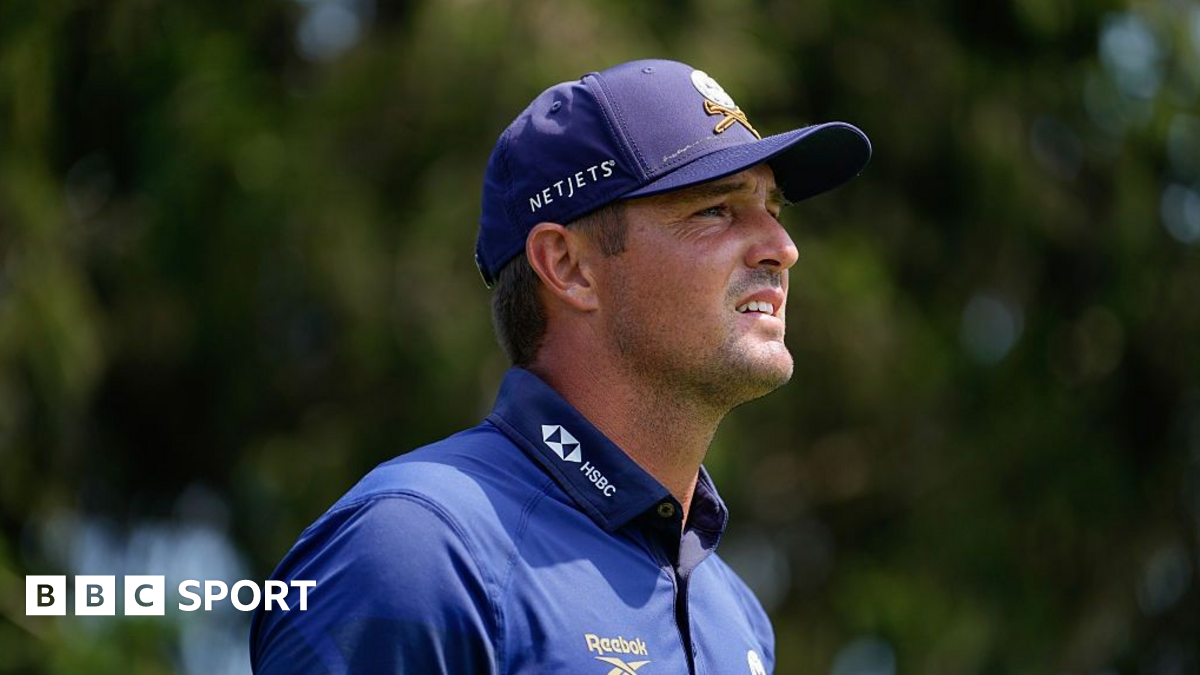
The Official World Golf Rankings has granted LIV Golf points for the first time but limited awards to only the top 10 finishers at its 57-man, no-cut events, citing deviations from OWGR eligibility standards (minimum field size 75, meritocratic entry pathways and turnover). The OWGR winner's points for this week's LIV opener are projected at 23.03 (comparable to DP World Tour events), well below typical PGA Tour winners (c.59–66), meaning LIV players will need sustained top finishes to climb world rankings and qualify for majors; OWGR and LIV both signal ongoing evaluation and potential future changes. Key LIV players in the top 50 include Tyrrell Hatton (22) and Bryson DeChambeau (33), while recent player movement back to the PGA Tour (e.g., Brooks Koepka, Patrick Reed) underscores ongoing competitive and governance tensions.
Market structure: OWGR's limited recognition materially bifurcates beneficiaries — top-10 LIV finishers (short-term ranking gains) and marquee players who remain eligible for majors, while the majority of LIV roster lose meritocratic mobility. That preserves PGA Tour pricing power for media rights and betting handle (PGA winner points ~59 vs LIV ~23), likely keeping advertiser and broadcaster demand concentrated in PGA assets over the next 12–24 months.
Risk assessment: Tail risks include a legal/regulatory forced integration (high-impact, <20% probability within 12 months) or mass defections back to PGA reducing LIV’s valuation/revenue by >30%. Immediate (days) market effects are limited; short-term (weeks–months) are driven by sponsorship re-pricing and media negotiations; long-term (quarters–years) hinges on OWGR evolution and any commercial settlement between PGA/LIV.
Trade implications: Directly favor exposure to golf equipment & consumer-revenue beneficiaries (Callaway ELY, Acushnet GOLF) if participation and grassroots interest rise; avoid or hedge pure-play broadcaster rights risk (DIS, CMCSA) where bid inflation may be capped. Use options to express event-driven outcomes (buy call spreads on betting operators if you expect incremental handle, buy puts on broadcasters if a protracted rights deadlock persists); calibrate sizing to 1–3% of portfolio each.
Contrarian angle: Consensus treats this as a reputational setback for LIV only, but the market underestimates a slow-growth equilibrium where LIV captures niche, high-NIL sponsorship dollars without full OWGR parity — a scenario that supports equipment/merchandizing growth while capping media-rights windfalls. Historical parallel: league splinters (e.g., European soccer breakaway attempts) produced durable segmentation rather than rapid reunification; unintended consequence could be premium pricing for top players’ services and private-event monetization outside conventional TV metrics.
AI-powered research, real-time alerts, and portfolio analytics for institutional investors.
Request DemoOverall Sentiment
neutral
Sentiment Score
0.00
