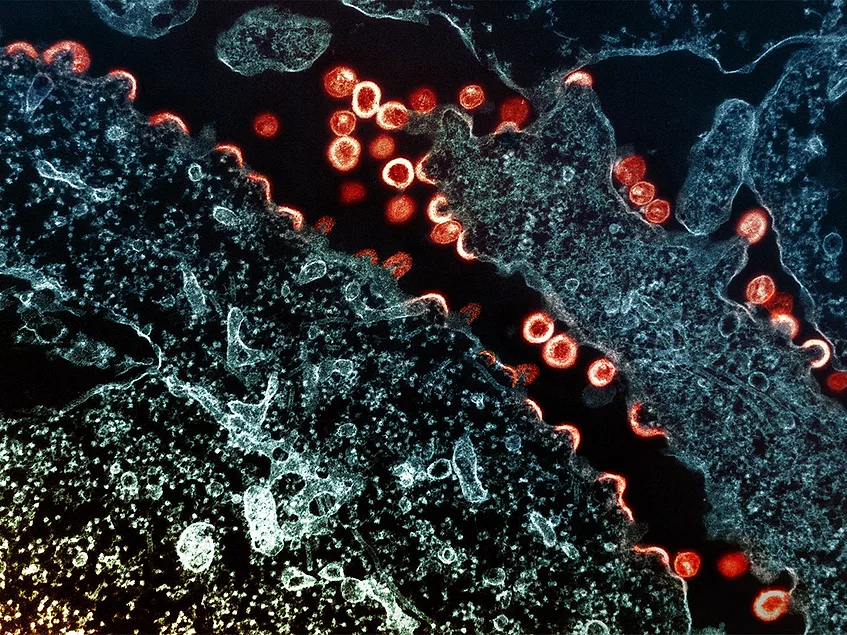
The 13th IAS Conference on HIV Science (IAS 2025) in Kigali, Rwanda, showcased ongoing scientific efforts to develop novel HIV therapies, including long-term antiretroviral therapy (ART) with multi-year injection spacing and long-lasting pre-exposure prophylaxis (PrEP). The symposium underscored the continued focus on innovative solutions given the absence of an effective vaccine or cure, highlighting the active R&D landscape in the infectious disease pharmaceutical sector.
The 13th IAS Conference on HIV Science (IAS 2025) highlights the ongoing and critical R&D efforts within the HIV therapeutic landscape, underscored by the continued absence of a definitive cure or vaccine. The symposium specifically showcased innovations aimed at shifting treatment paradigms, such as long-acting antiretroviral therapies (ART) with multi-year injection intervals and advanced pre-exposure prophylaxis (PrEP) formulations. This points to a strategic industry focus on improving patient adherence and quality of life, which are significant commercial drivers. The neutral sentiment (0.0 score) and low market impact (0.1 score) are consistent with an early-stage scientific update rather than a market-moving data release. However, for long-term investors in the healthcare and biotech sectors, this event signals a durable innovation cycle and sustained investment in combating infectious diseases, representing a key thematic trend to monitor.
AI-powered research, real-time alerts, and portfolio analytics for institutional investors.
Request DemoOverall Sentiment
neutral
Sentiment Score
0.00
