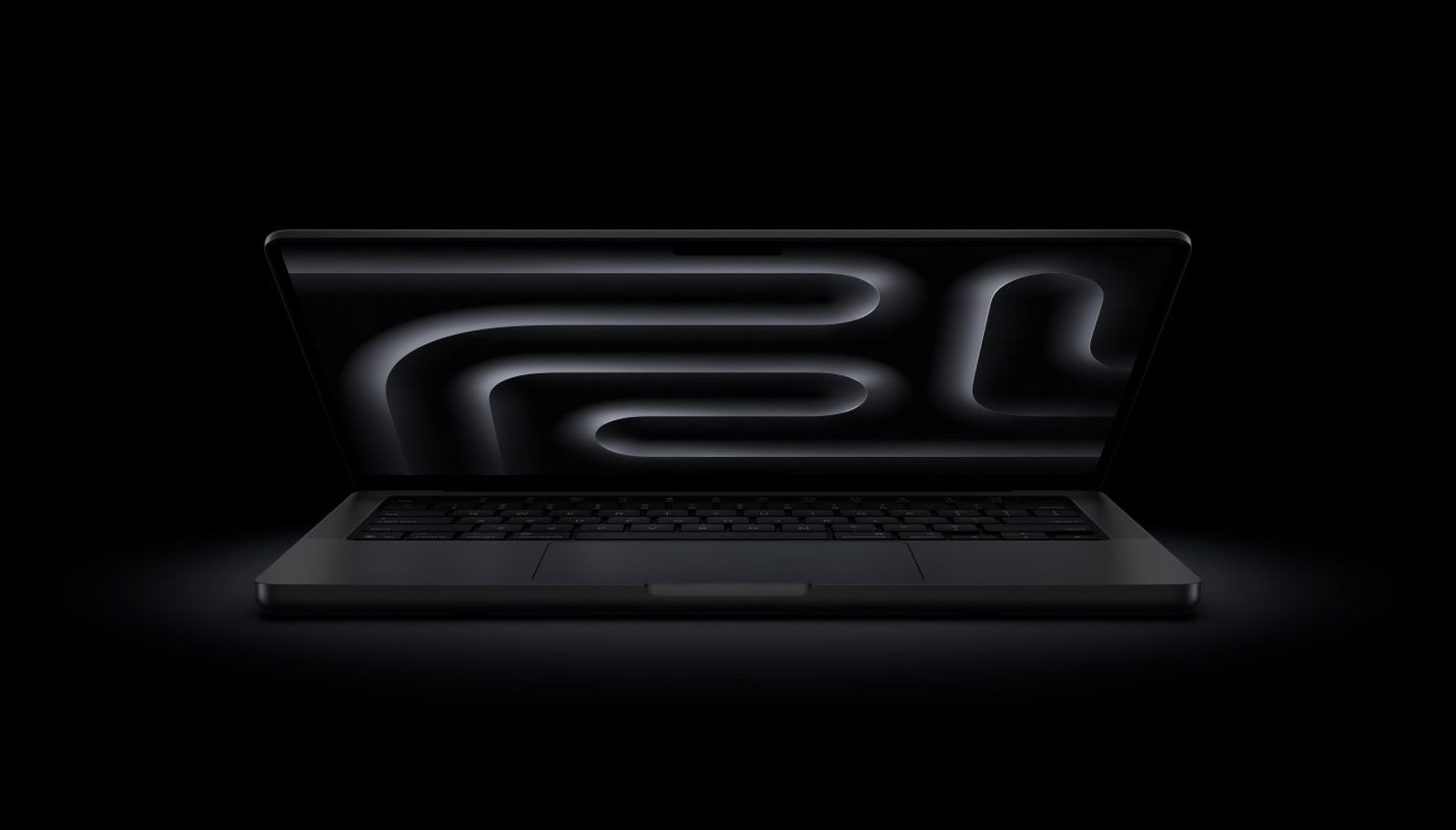
Apple has overhauled its online Mac ordering experience to a fully à la carte configurator for models including MacBook Air/Pro, iMac, Mac mini, Mac Studio and Mac Pro, though new MacBook Pros still cannot be configured with M5 Pro/Max chips. The company confirmed a near-$2 billion acquisition of Israeli AI audio startup Q.ai (reported as Apple’s second-largest acquisition), introduced a second-generation AirTag and a Black Unity Apple Watch band, launched Apple Creator Studio subscription pricing at $12.99/month or $129/year, and issued a legacy iOS 12 update. On an earnings call Tim Cook said surging RAM and NAND prices from AI server demand have had a minimal impact on Apple’s gross margin, signaling limited near-term financial disruption despite supply-chain price pressure.
Market structure: Apple’s move to full à‑la‑carte Mac ordering plus continued product cadence preserves pricing power and increases average order value (AOV) optionality — winners include AAPL (pricing/upsell leverage) and memory/NAND suppliers (MU, 005930.KS, 000660.KS) who benefit from AI-driven demand. Losers are low‑margin PC OEMs (HPQ, DELL) and aftermarket refurb/resale channels if modularity/replaceability trends reverse. Cross‑asset: stronger semiconductor names should lift SMH and equipment suppliers (AMAT, LRCX); modest upward pressure on corporate tech spreads but limited sovereign FX impact short‑term.
Risk assessment: Tail risks include a memory‑price collapse if fabs ramp capacity (historical drawdowns >30% within 12 months), regulatory scrutiny on an Israel AI buy (transactional/tech export controls), and product‑cycle delays for M5 chips hurting Mac sales. Immediate (days): sentiment moves on the $2B Q.ai headline and Cook’s margin comments; short (1–6 months): NAND/RAM price volatility and Micron earnings; long (12–24+ months): real ROI from Q.ai integration into ecosystem. Hidden dependency: Apple’s gross margins depend on third‑party NAND/RAM supply and inventory cadence — a build could force markdowns.
Trade implications: Direct: consider establishing a 2–3% long AAPL position on pullback >3% with a 6% stop and 12% target over 3–6 months; establish a 1–2% long position in MU to play NAND/RAM tightness with a 6‑month horizon, hedge with MU 6‑month 25% OTM bought call spread sized to 0.5% notional. Pair trade: long MU vs short WDC (WDC has greater end‑market exposure to consumer drives and less memory pricing leverage) — size net delta flat and target a 15–25% relative move in 3–9 months. Rotate 3–5% from PC OEMs (HPQ/DELL) into wafer‑equip (AMAT, LRCX) over 4–12 weeks.
Contrarian angles: The market may underprice integration/time risk of a $2B Q.ai deal and overprice a prolonged memory supercycle — historical parallel: 2017–2019 memory boom/bust (peak to trough >50%). If NAND/RAM prices re‑accelerate beyond +20% QoQ, semis/AMAT pop; if they fall >10% MoM, reset longs and tighten hedges. Unintended consequences: reduced serviceability (non‑replaceable SSDs) could trigger regulatory or resale‑value headwinds — protect positions with 3–6 month puts (AAPL 7% OTM, MU 15% OTM) sized at 0.5–1% notional.
AI-powered research, real-time alerts, and portfolio analytics for institutional investors.
Request DemoOverall Sentiment
neutral
Sentiment Score
0.10
Ticker Sentiment
